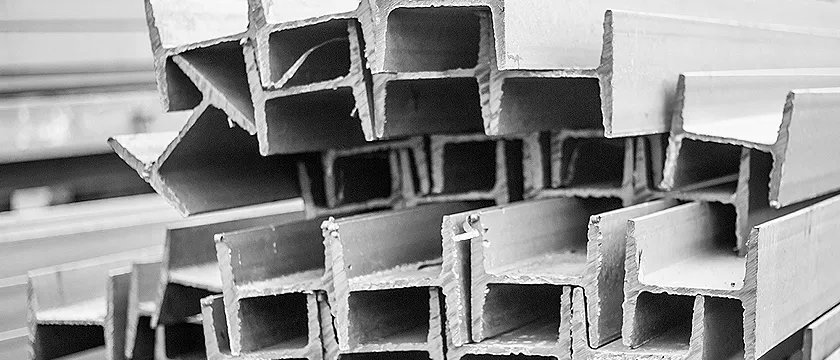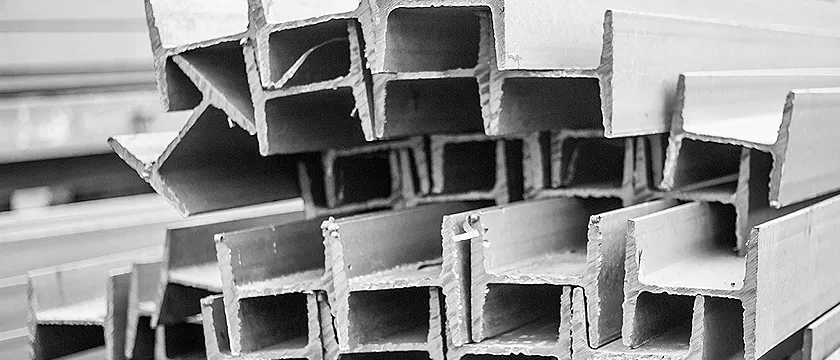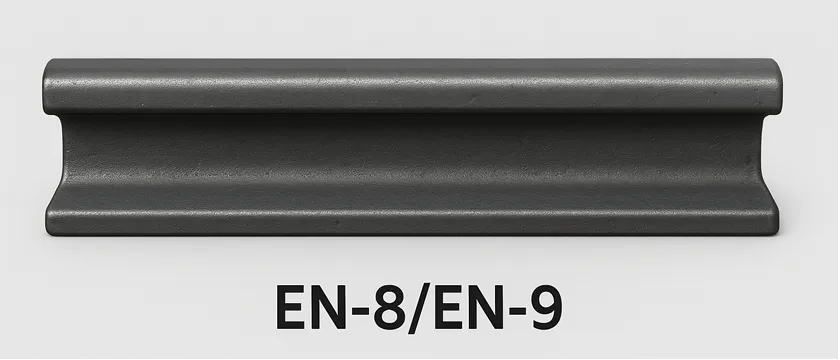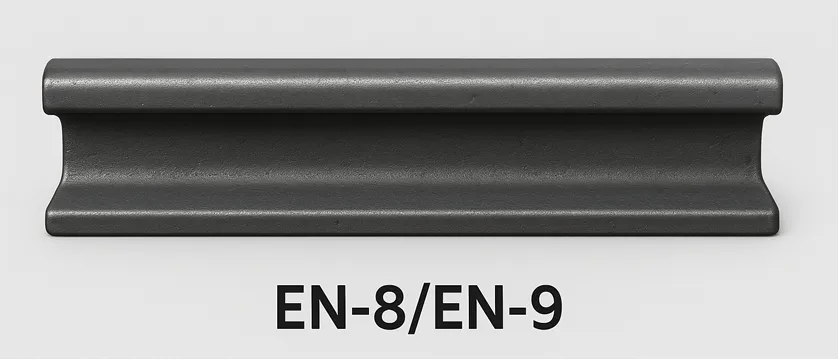





Who are the leading Structural Steel Rail Manufacturers in India
The landscape of Indian infrastructure is undergoing a radical transformation. From the expansion of Metro Rail networks in Tier-2 cities to the massive scale of the Dedicated Freight Corridors, the backbone of this growth is steel. If you are searching for Structural Steel Rail Manufacturers in India, you are likely looking for more than just a supplier—you are looking for a partner capable of meeting the rigorous engineering demands of 2026.
Choosing the right manufacturer is a high-stakes decision. A slight deviation in metallurgical composition or a minor flaw in the rolling process can lead to structural fatigue, increased maintenance costs, or even catastrophic failure. This guide dives into the technical excellence, leadership, and specialized infrastructure of Prime Ispat Limited, a company that has redefined what it means to be "Steel Empowered."
Who is the Authority dealer Behind the Steel
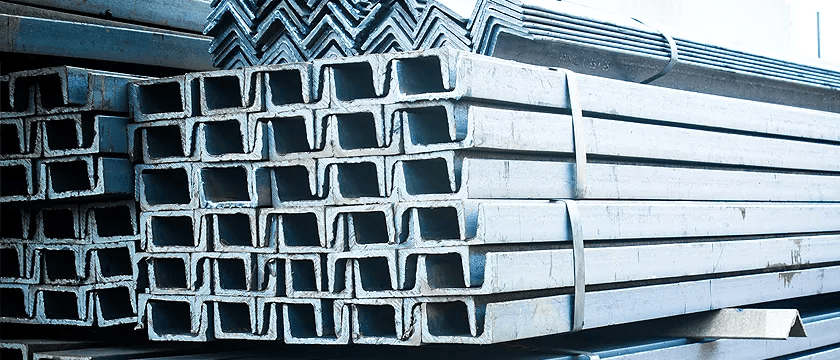
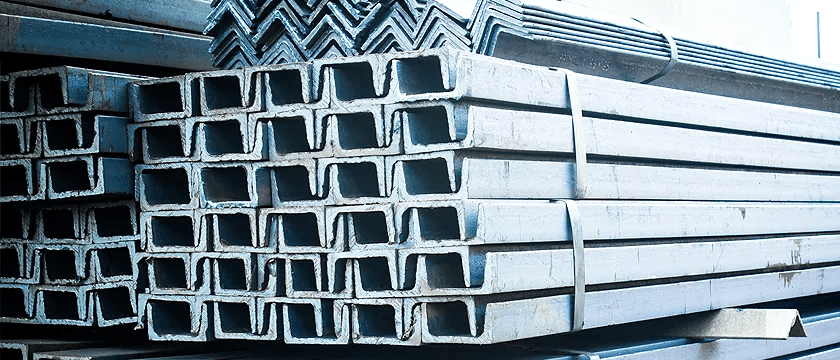
When discussing the top Structural Steel Rail Manufacturers in India, Prime Ispat Limited (PIL) stands at the forefront. Founded in 2004 and commencing operations in 2005, the company has spent over two decades evolving from a regional rolling mill into an integrated powerhouse of structural steel.
Leadership and Vision
The trajectory of Prime Ispat has been shaped by the strategic foresight of its founders, Mr. Manohar Lal Sharma and Mr. Uttam Chand Agrawal. Their leadership philosophy centers on "Forward Integration"—the idea that the company should control the value chain from the raw steel billet to the final, high-precision railway component. This ensures that every product leaving their Raipur-based facility carries a guarantee of structural integrity.
What are the Technical Specifications of High-Performance Structural Rails?
Engineers and procurement specialists need data, not just promises. The rails produced by Prime Ispat are designed to withstand extreme vertical and lateral loads.
Chemical and Mechanical Integrity
To meet the "Structural" grade, rails must adhere to strict carbon-manganese ratios. These elements provide the necessary hardness to resist "head-wear" and the ductility to prevent brittle fractures during temperature fluctuations. Most structural rails in India follow IS 2062 or IRS T-12 standards, ensuring a minimum tensile strength that often exceeds 880 MPa.
Sectional Variety
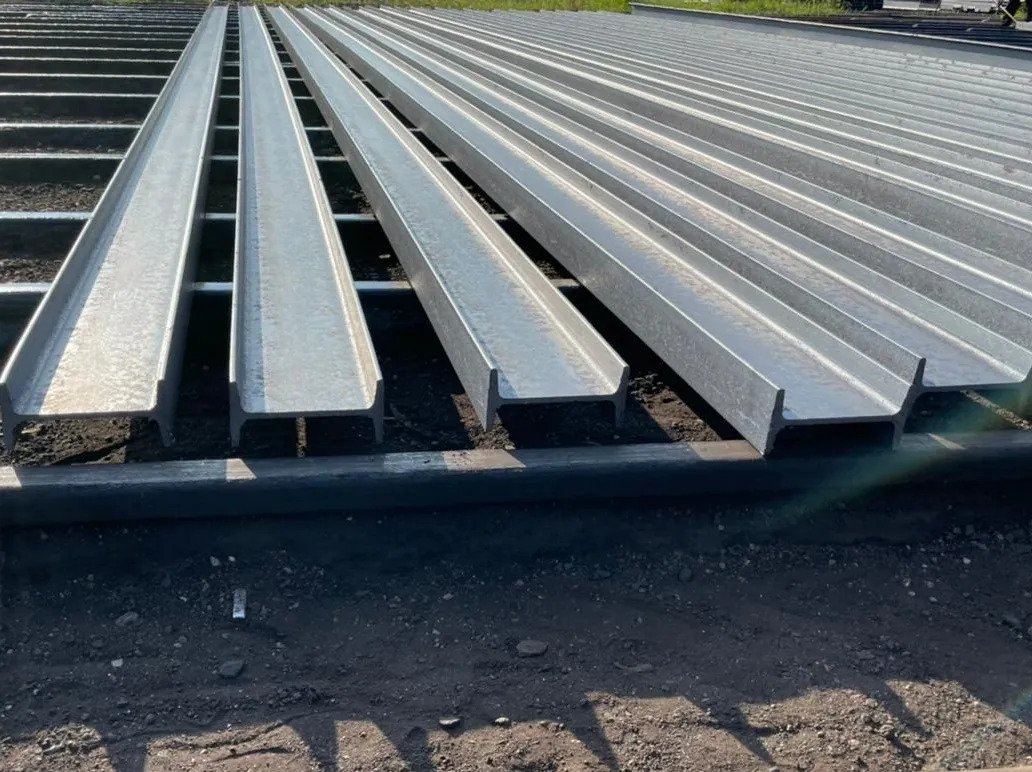
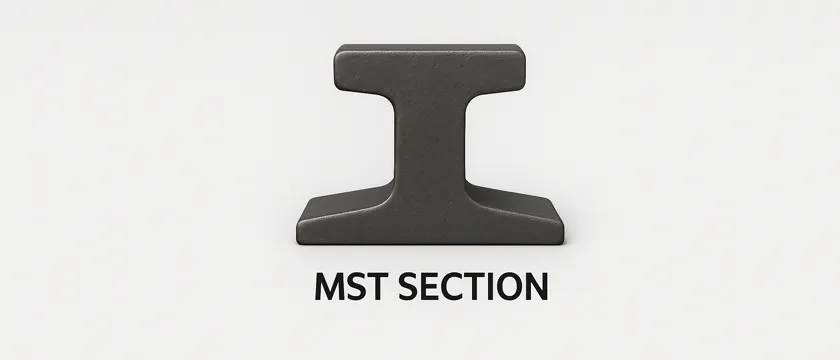
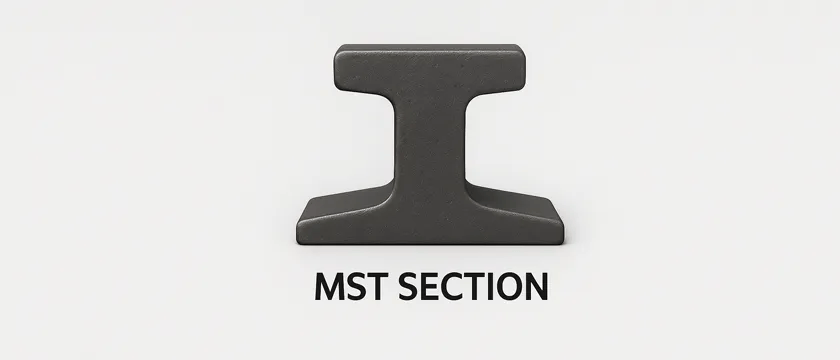
A leading manufacturer must provide a range of profiles to suit different industrial needs:
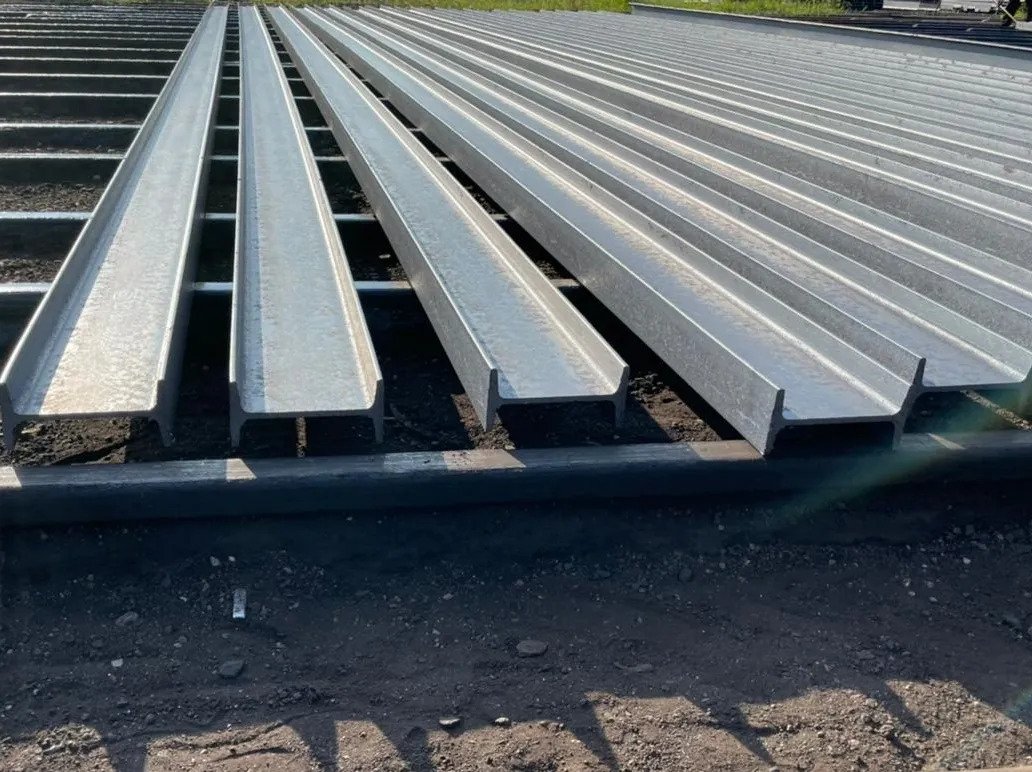
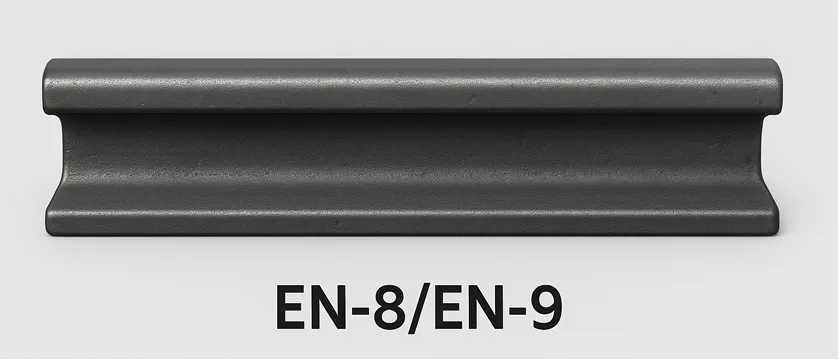
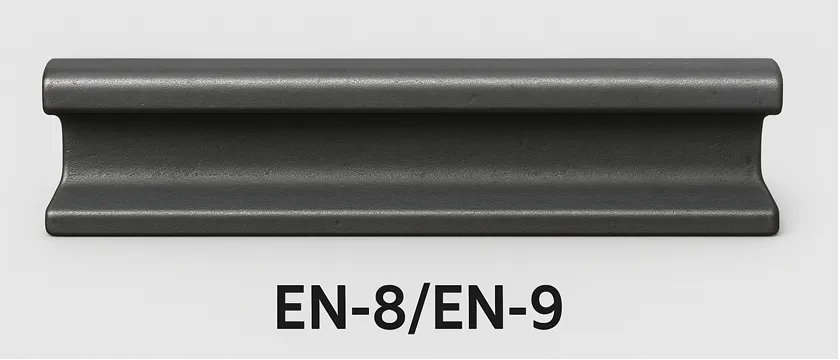
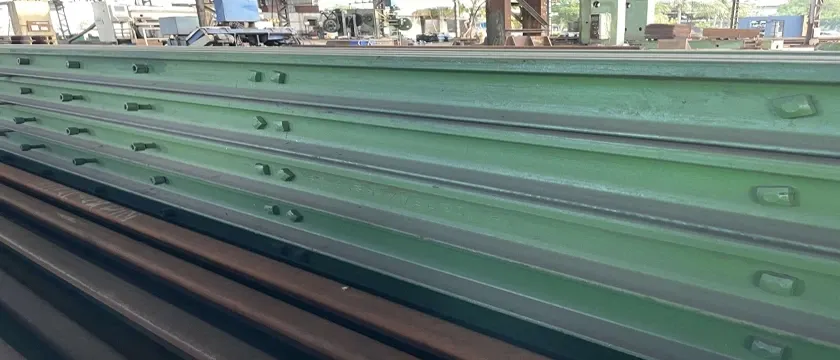
- Light Structural Rails: 15 kg/mtr, 18 kg/mtr, and 24 kg/mtr sections commonly used in mining and light material handling.
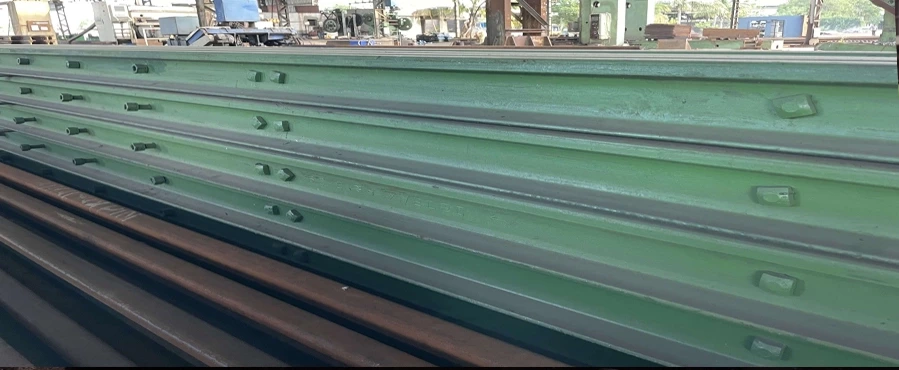
- Medium & Heavy Rails: 30 lbs, 60 lbs, and 90 lbs sections.
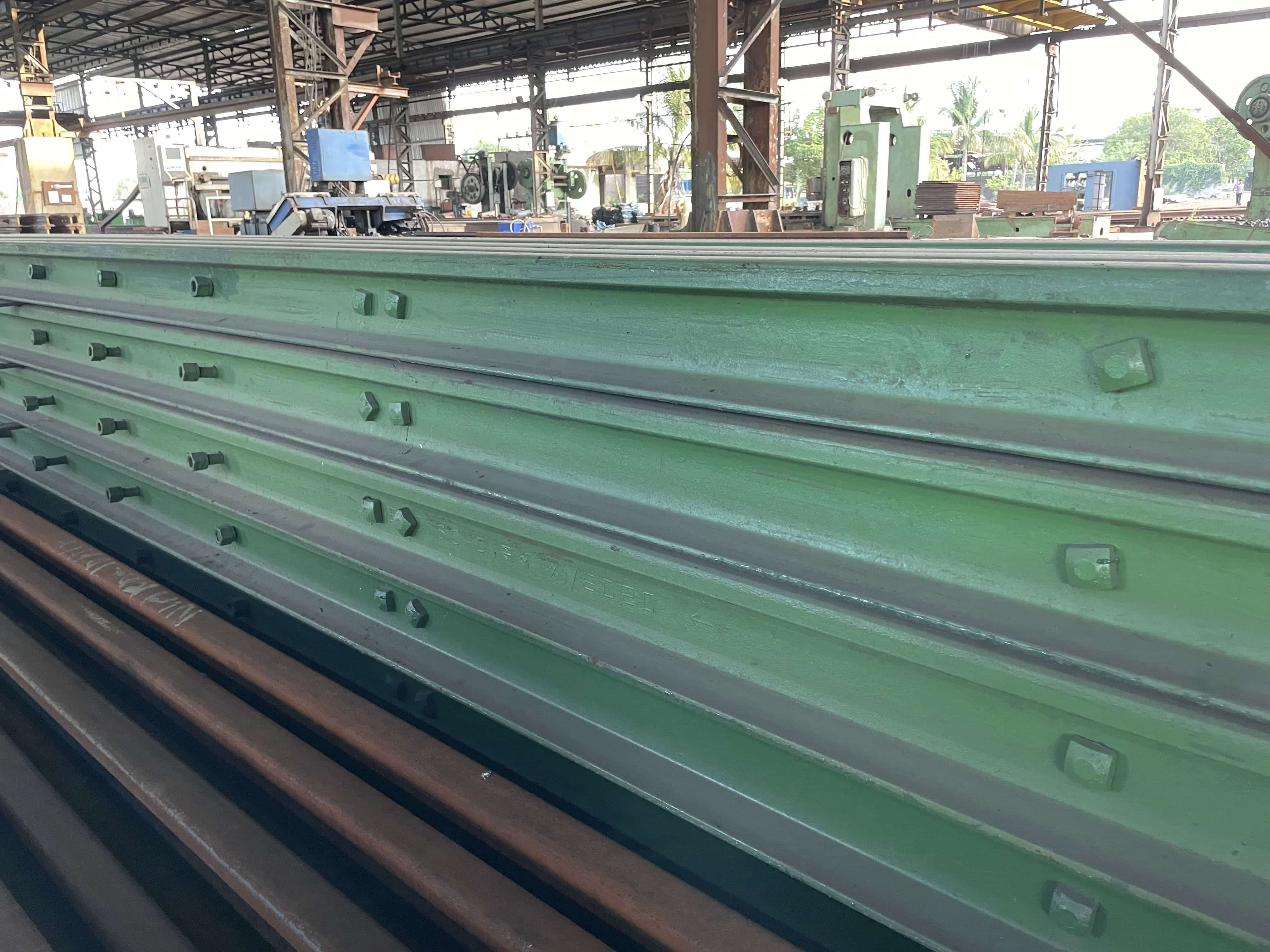
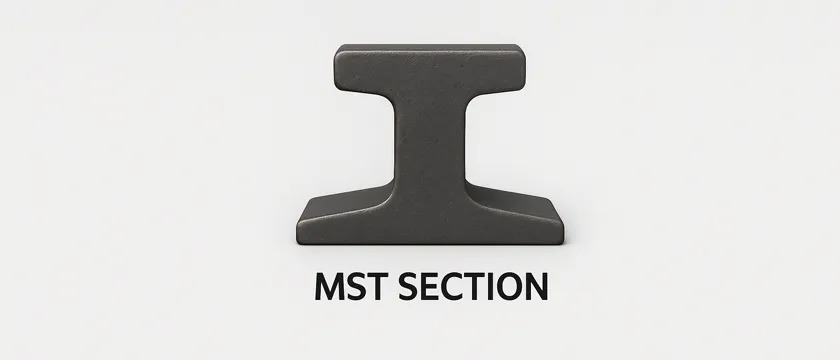
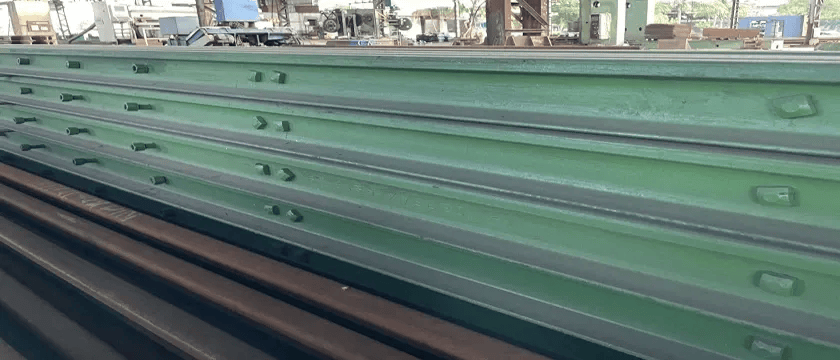
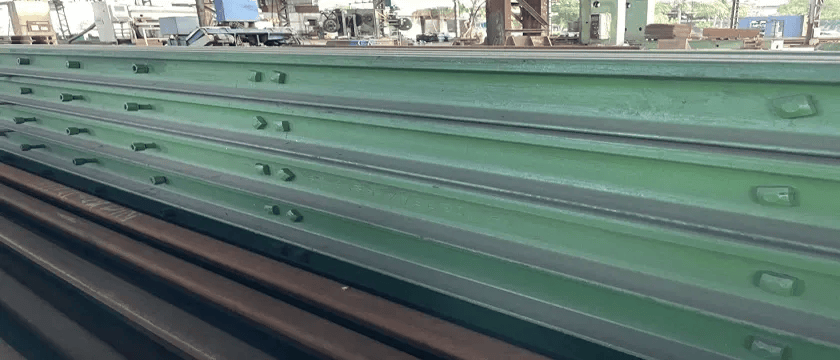
- Crane Rails (CR-80 & CR-100): These feature a wider base and a thicker web, specifically engineered for the heavy-duty gantry cranes found in steel plants and shipping ports.
Comprehensive Technical Specifications of Structural Steel Rails
Engineers and procurement specialists require precise data to ensure project compatibility. Below is the technical breakdown of the structural rail profiles manufactured by Prime Ispat Limited, adhering to IS 2062 and IRS T-12 standards.
|
Feature |
Light Structural Rails |
Medium/Heavy Rails |
Crane Rails (CR Series) |
|
Weight Profiles |
15 kg, 18 kg, 24 kg/mtr |
30 lbs, 60 lbs, 90 lbs |
CR-80, CR-100, CR-120 |
|
Common Application |
Underground Mining, Light Shuttles |
Railway Sidings, Mainlines |
Heavy Gantry Cranes, Ports |
|
Tensile Strength |
Min 410 - 540 MPa |
Min 880 MPa (Grade 880) |
Min 880 - 1080 MPa |
|
Yield Strength |
Min 250 MPa |
Min 460 MPa |
Min 550 MPa |
|
Hardness (Brinell) |
~180 HBW |
~260 HBW |
280 - 320 HBW |
|
Standard Lengths |
12m / 13m (Customizable) |
12m / 13m |
12m |
|
Key Advantage |
High Flexibility/Ease of Laying |
Superior Fatigue Resistance |
Maximum Flange Load Bearing |
How is Structural Steel Rail Made for Maximum Longevity?
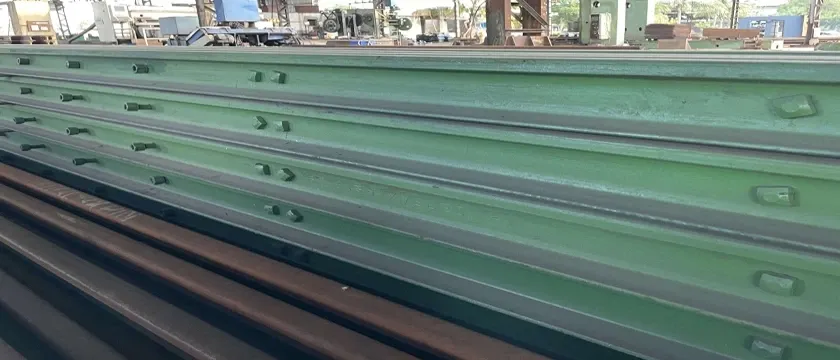
The manufacturing process at Prime Ispat’s Raipur facility is a masterclass in modern metallurgy. It isn't just about shaping metal; it's about managing internal stresses.
- Billet Reheating: High-quality billets (sourced from prime producers like SAIL and RINL) are heated to 1200°C. This ensures the steel is plastic enough to be shaped without developing internal micro-cracks.
- Precision Rolling: The steel passes through multiple automated rolling stands. Each pass refines the grain structure of the metal, making it denser and stronger.
- Controlled Cooling: This is a "make or break" stage. Using specialized cooling beds, the rails are cooled at a rate that achieves a uniform Brinell Hardness (HBW) across the entire length.
- Straightening & Testing: Every rail is mechanically straightened to meet a tolerance of less than 1mm per meter. They then undergo rigorous testing, including ultrasonic flaw detection, to ensure 100% reliability.
What are the Primary Application Areas of Structural Steel Rails?
While we often associate rails with trains, their high moment of inertia makes them indispensable in various heavy-duty sectors.
1. Industrial Crane Gantries
In massive warehouses and manufacturing units, overhead cranes move along "Crane Rails." These rails must remain perfectly parallel and level under the weight of dozens of tons. Prime Ispat’s CR-series rails are the "hero" products in this sector.
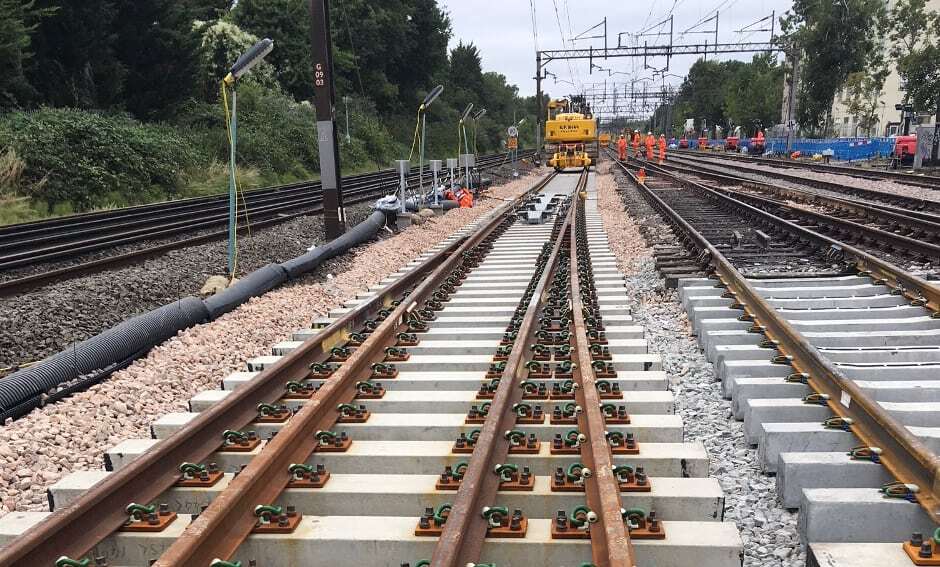
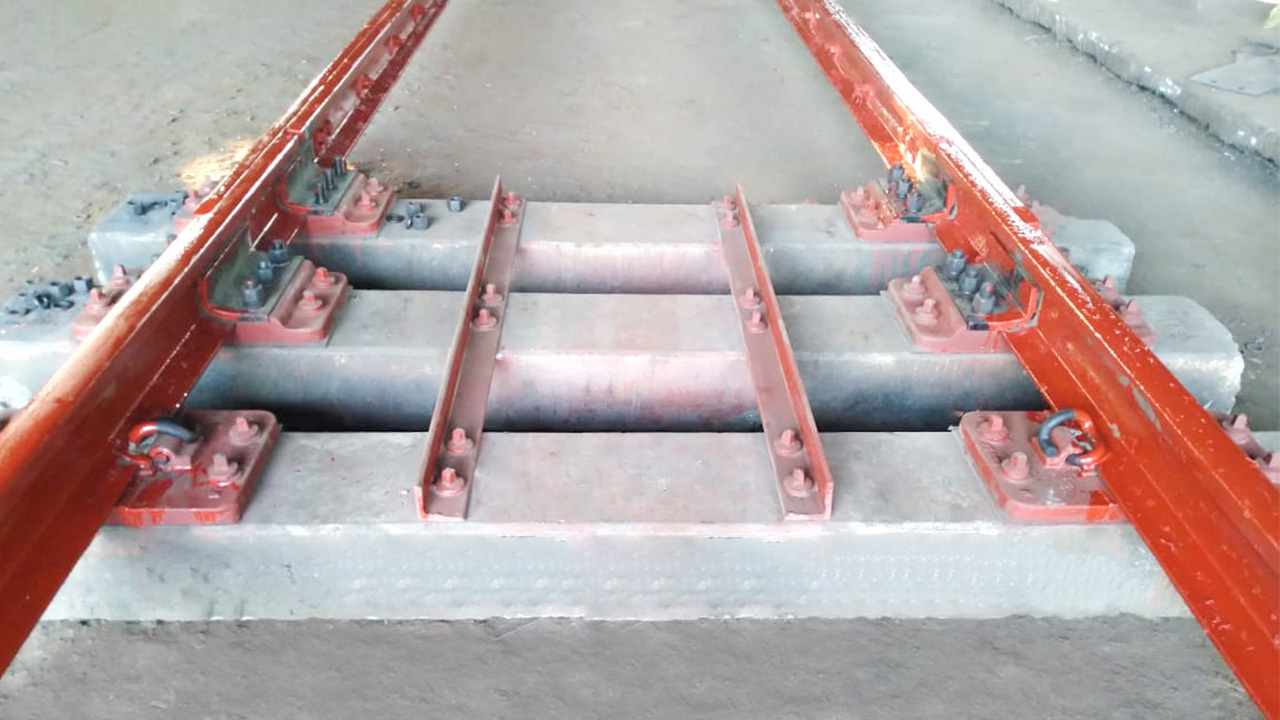
2. Railway Infrastructure and Track Work
Beyond the main lines, structural rails are vital for:
- Thick Web Switches: Used in high-speed track crossovers.
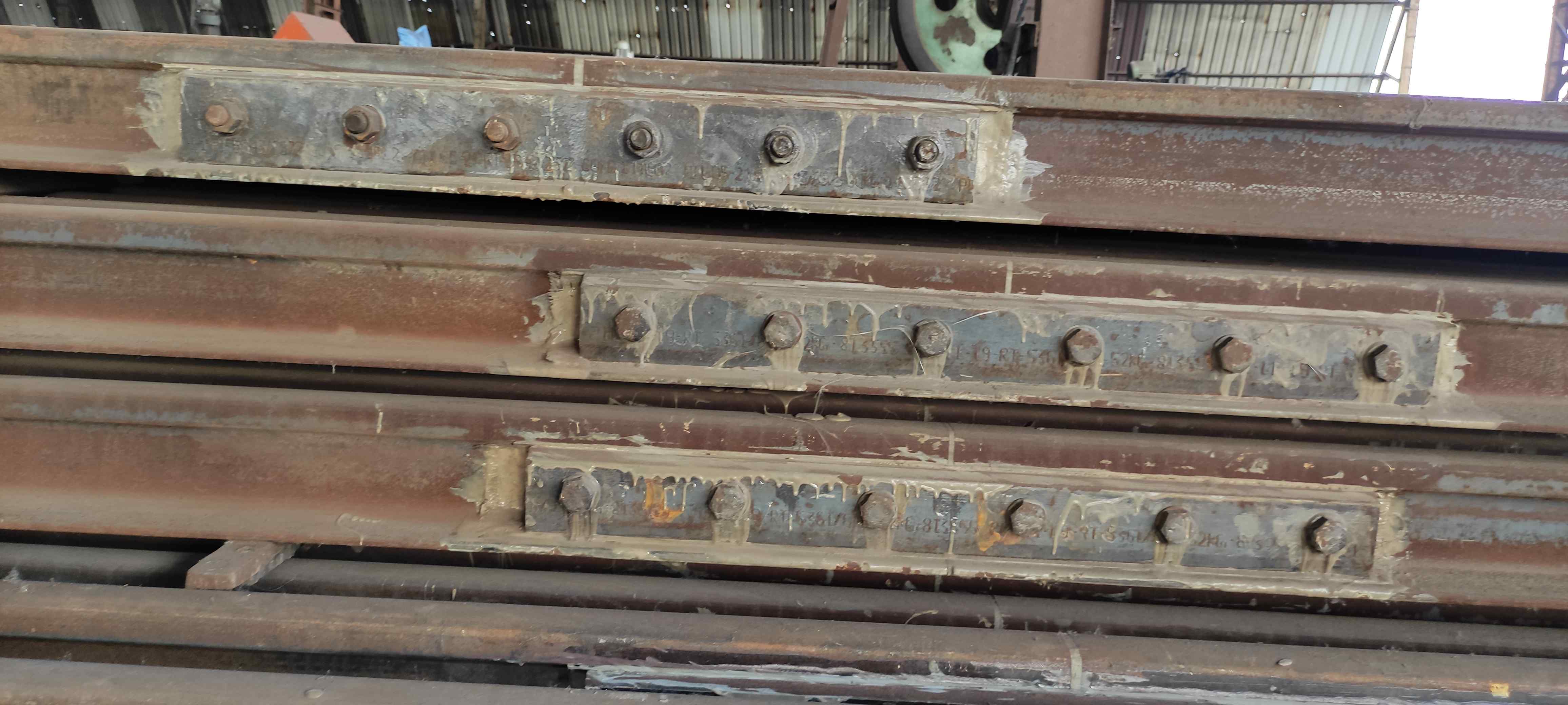
- Glued Insulated Rail Joints: Essential for modern electrical signaling systems.
- Check Rails: Positioned on sharp curves to guide wheel flanges and prevent derailments.
3. Mining and Logistics
In the iron-ore and coal belts of Chhattisgarh and Odisha, light structural rails are the lifeline for "tubs" and material shuttles that operate in the harshest underground and open-cast environments.
Why Prime Ispat is the Preferred Partner for Structural Steel in 2026
The market for Structural Steel Rail Manufacturers in India is competitive, but Prime Ispat stands out through its commitment to Experience, Expertise, Authoritativeness, and Trustworthiness.
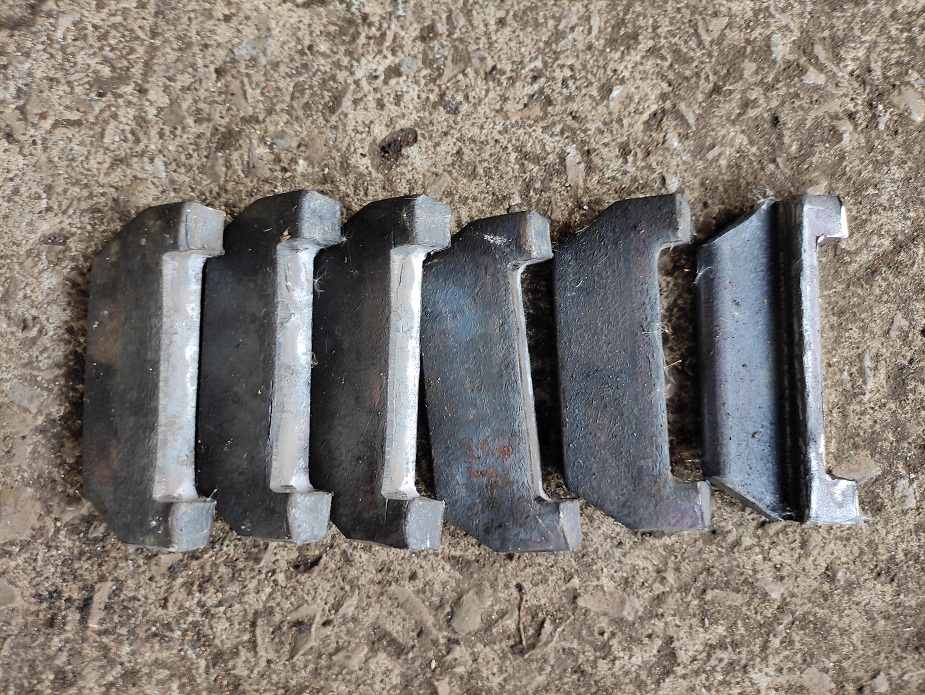
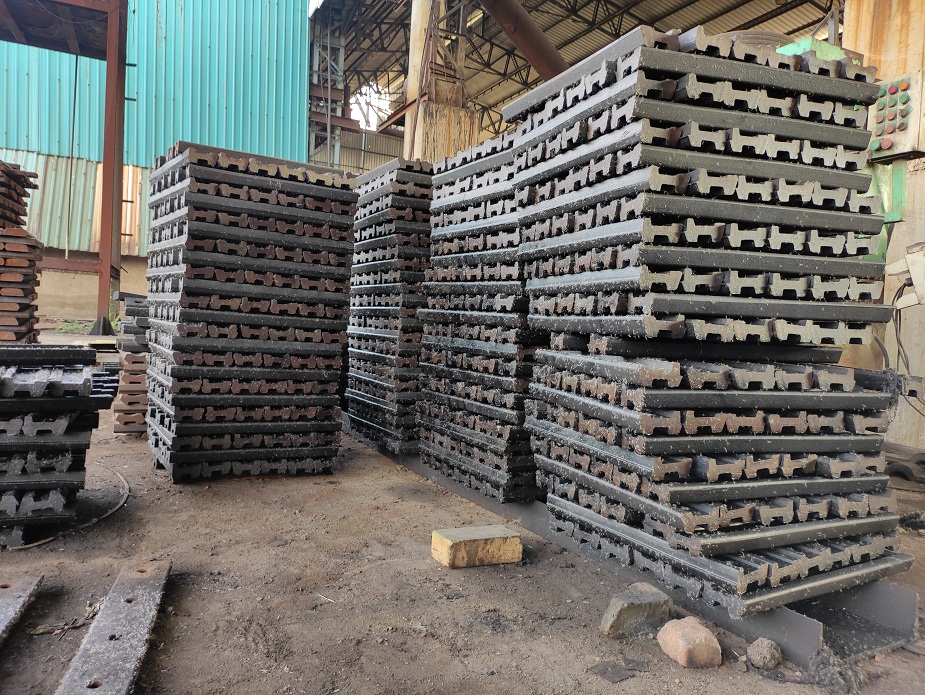
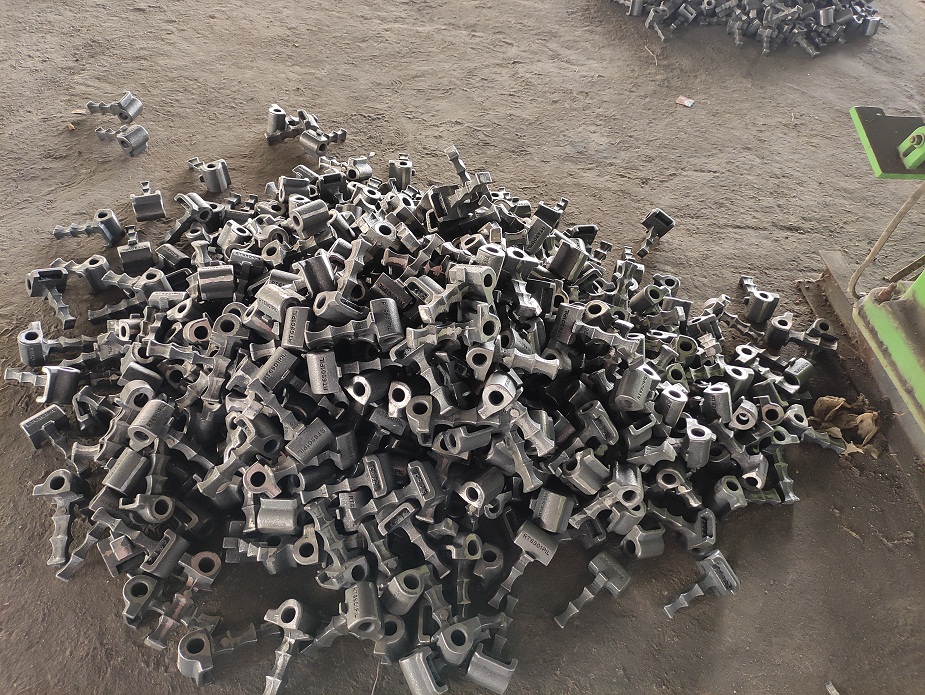
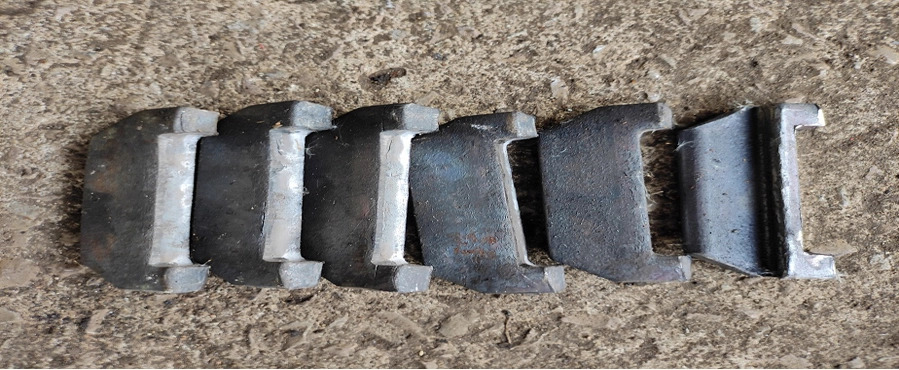
- RDSO Approval: Their railway components, such as Metal Liners and Fish Plates, are manufactured under the strict guidelines of the Research Designs and Standards Organisation, the technical wing of Indian Railways.
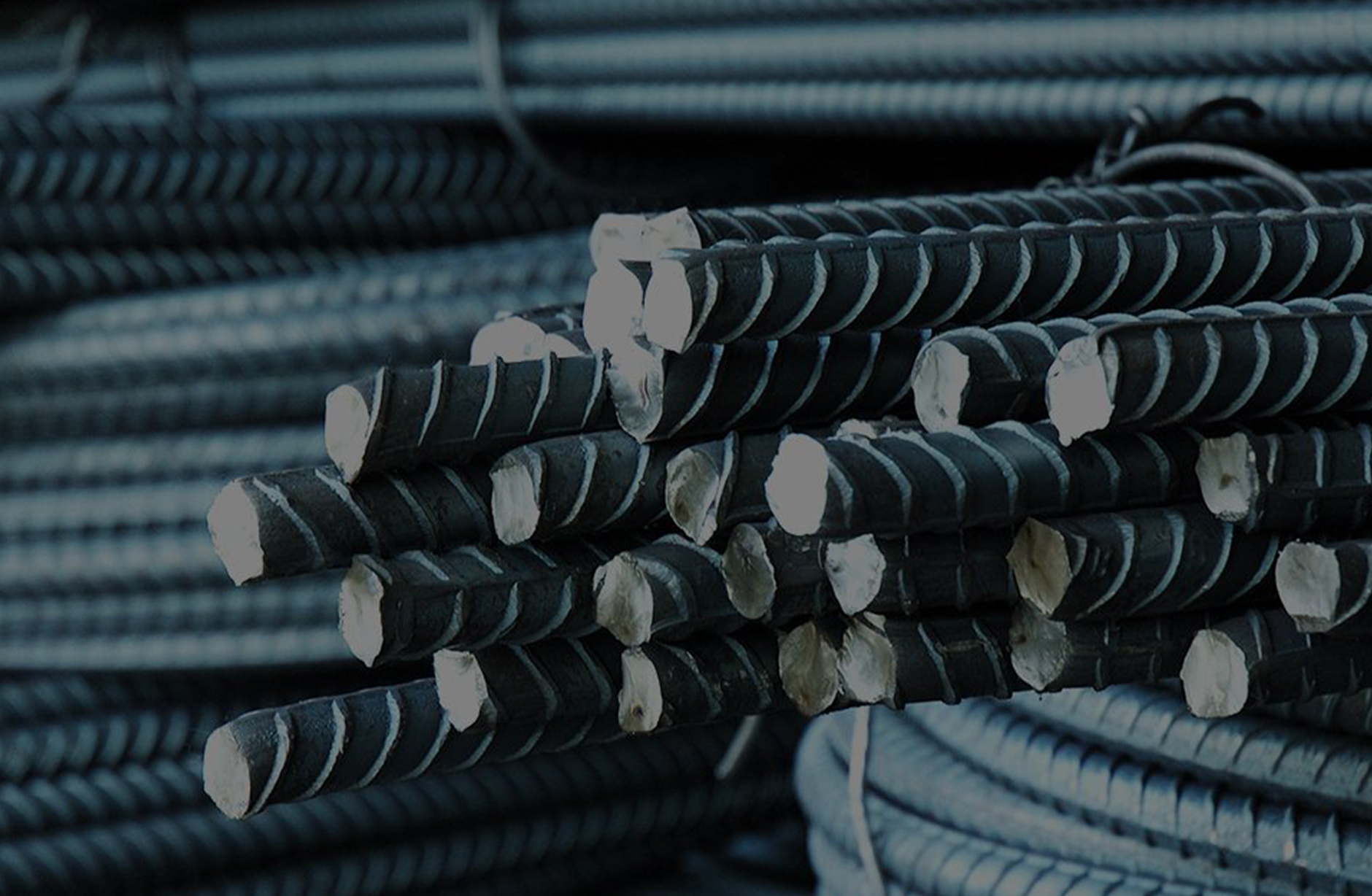
- Authorized Manufacturing: Being an authorized manufacturer for Jindal 550D TMT bars highlights their status in the high-strength steel market.
- State-of-the-Art Infrastructure: Based in Raipur, the plant is equipped with ultra-modern rolling mills and a full-fledged Quality Control department that ensures every meter of steel meets international BIS norms.
How to Avoid Common Pitfalls When Sourcing Structural Rails
When procurement is driven solely by price, safety often takes a backseat. Here is how to ensure you are getting premium quality:
- Avoid Vague Certifications: Always demand a Mill Test Certificate (MTC) that specifies the heat number and chemical analysis of that specific batch.
- Check for Dimensional Accuracy: Ensure the "web" thickness is consistent. A thin web can lead to buckling under heavy lateral loads.
- Surface Inspection: Look for "scabs" or "seams." These are surface defects that can grow into deep cracks over time. Leading manufacturers like Prime Ispat ensure a smooth, defect-free finish.
Frequently Asked Questions
What is the standard length for structural rails in India?
Standard lengths are typically 12 meters or 13 meters. However, for specific infrastructure projects, custom lengths can be manufactured to minimize the number of joints, which are often the weakest points in a track.
Can structural rails be used in earthquake-prone zones?
Yes, but they must be paired with high-ductility fasteners. Prime Ispat’s focus on the 550D grade (where 'D' stands for ductility) ensures that their steel products can absorb seismic energy without snapping.
What is the difference between track rails and crane rails?
Track rails are designed for high-speed, lower-weight-per-wheel applications (trains). Crane rails have a much broader head and a squatter profile to handle the massive, slow-moving concentrated loads of industrial cranes.
How does Prime Ispat ensure environmental standards?
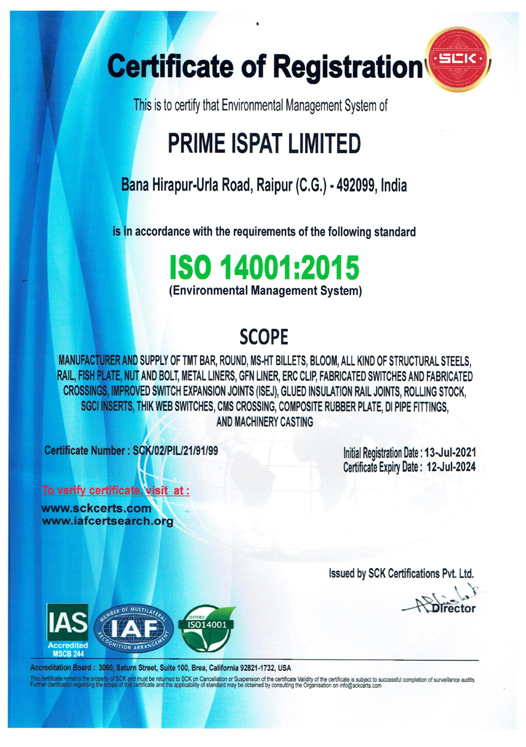
The company holds ISO 14001 certification, meaning their manufacturing processes in Raipur are designed to minimize carbon footprint and manage industrial waste responsibly.
Conclusion: Building the Future with Steel Empowered
Choosing from the top Structural Steel Rail Manufacturers in India is about more than just a transaction; it is about the longevity of your project. Prime Ispat Limited, with its 20-year legacy, RDSO-approved quality, and visionary leadership, offers the technical precision required for the infrastructure of 2026.
Whether you are building a new railway siding, an industrial warehouse, or a specialized gantry system, the quality of your rail is the foundation of your success. With Prime Ispat, you aren't just buying steel; you are investing in a future that is "Steel Empowered."