




The Future of Railway Track Joints: Advantages of Glued Insulated Joints
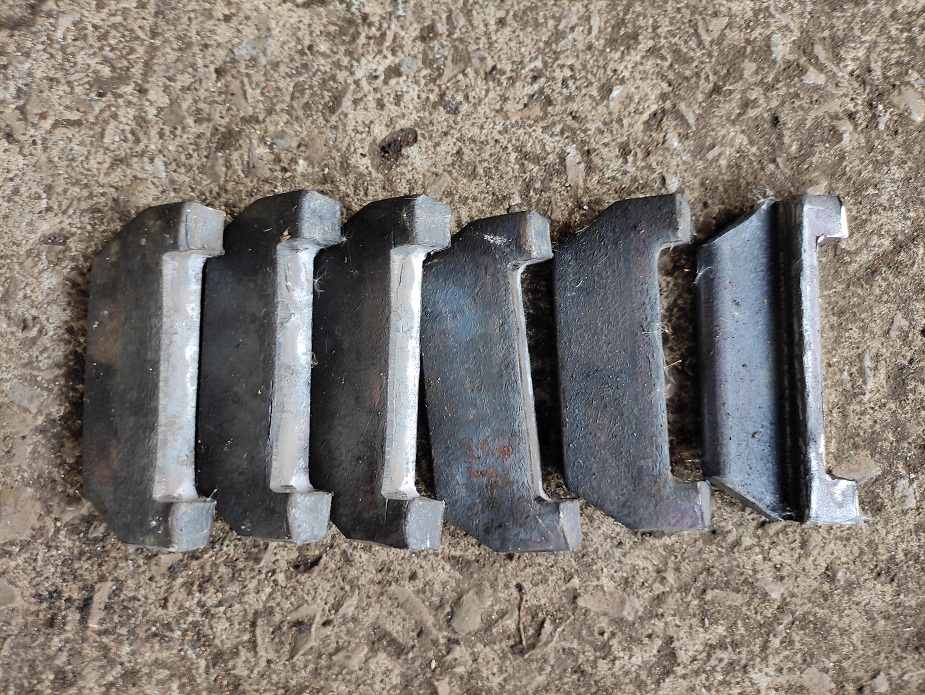
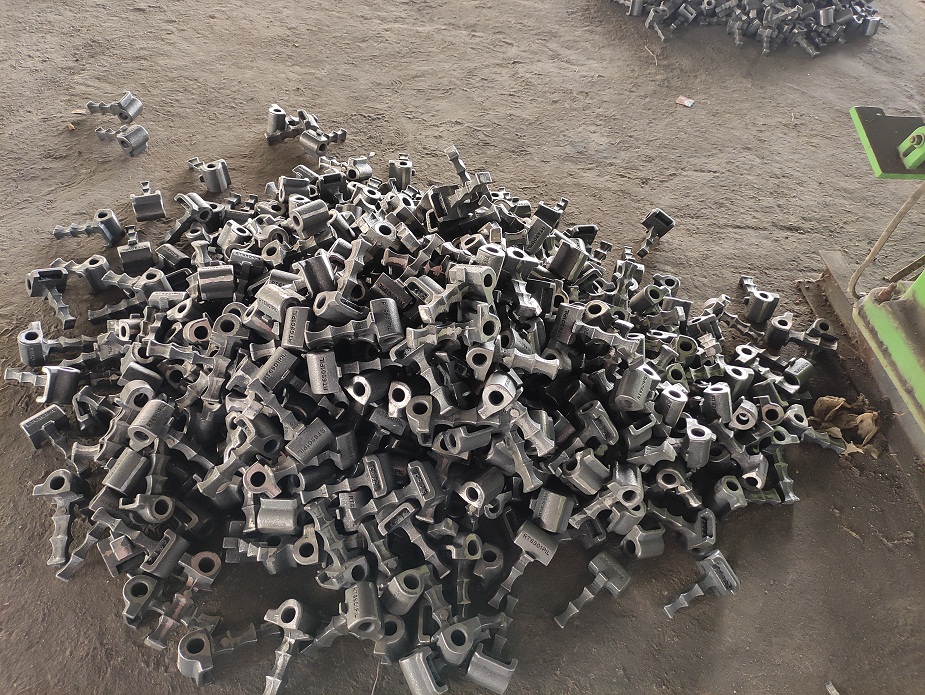
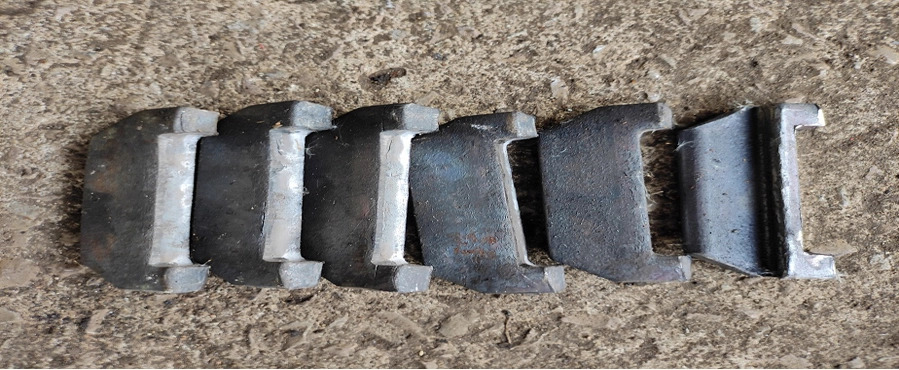
Railway transportation is the backbone of economic growth and logistics in any nation. As India rapidly modernizes its railway infrastructure, the focus on improving safety, durability, and efficiency has never been greater. One of the key innovations in this domain is the Glued Insulated Joint (GIJ)—a revolutionary component that is transforming traditional track systems. At the forefront of this transformation are industries like SGCI Insert Manufacturers in India, who play a vital role in strengthening rail joint technologies.
Understanding the Role of Track Joints in Railway Infrastructure
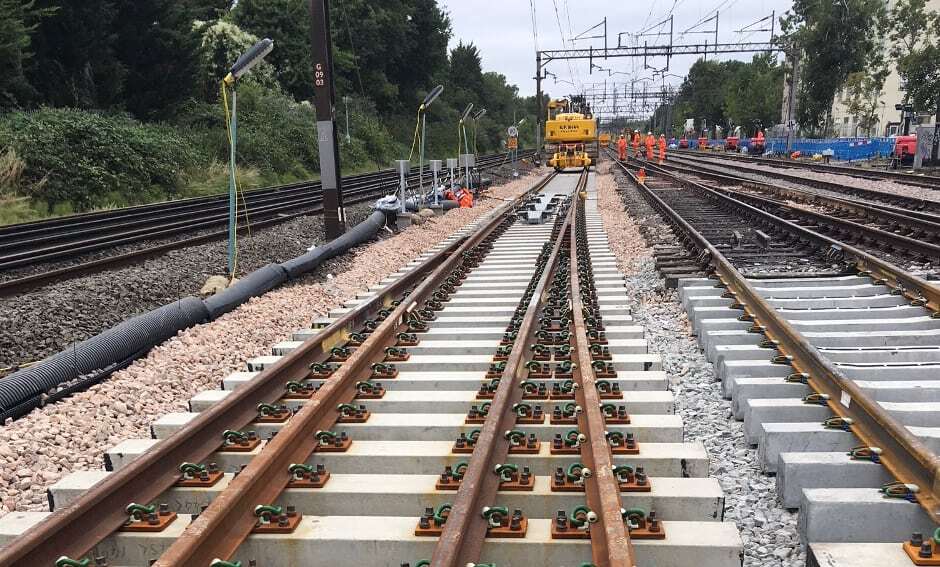
Track joints are essential connectors between two rail ends, allowing for the continuous passage of trains. Traditional joints, like bolted or fish-plated joints, have served their purpose for decades but are now showing limitations in high-speed and heavy-load conditions. With increased focus on speed, safety, and low maintenance, glued insulated joints have emerged as the superior alternative.
What are Glued Insulated Joints?
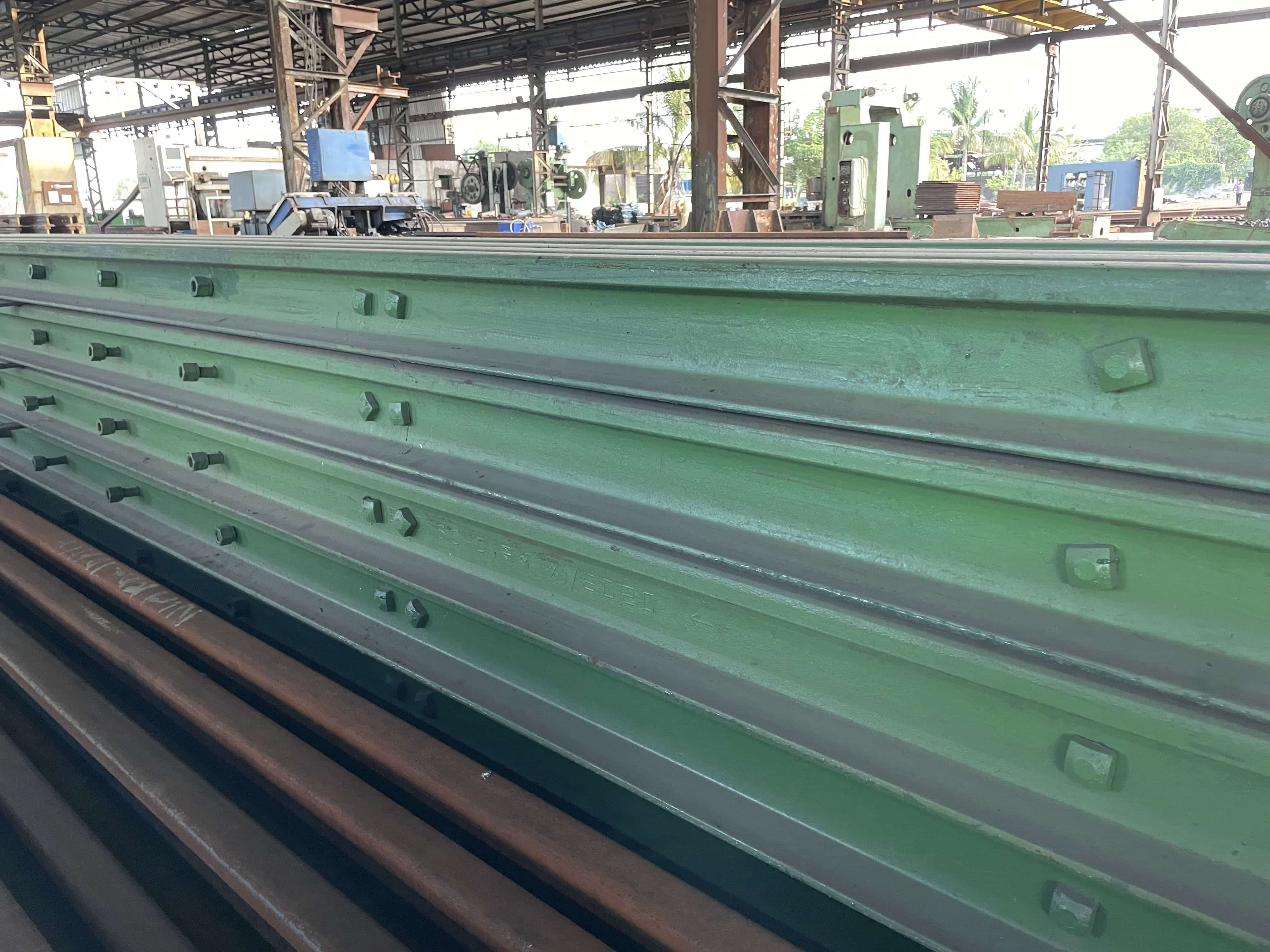
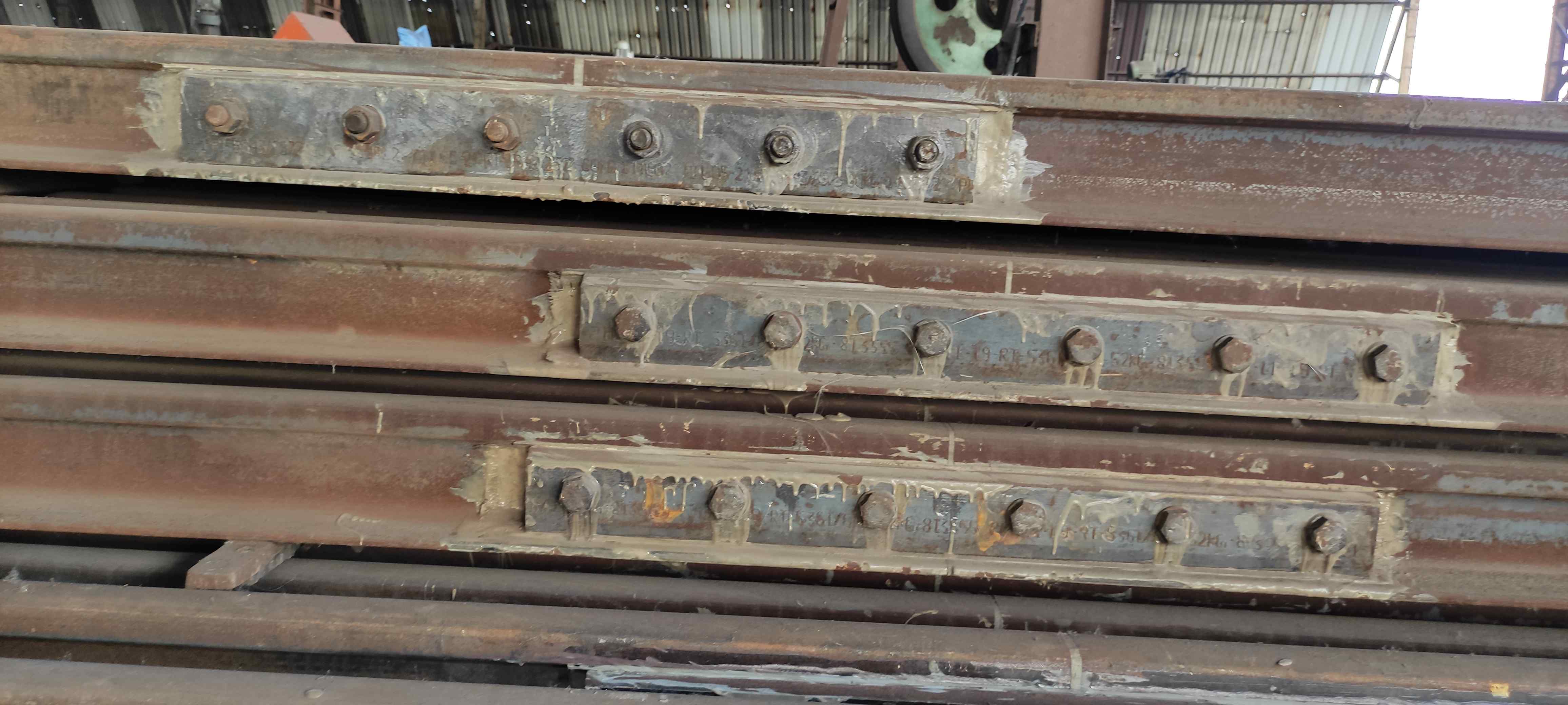
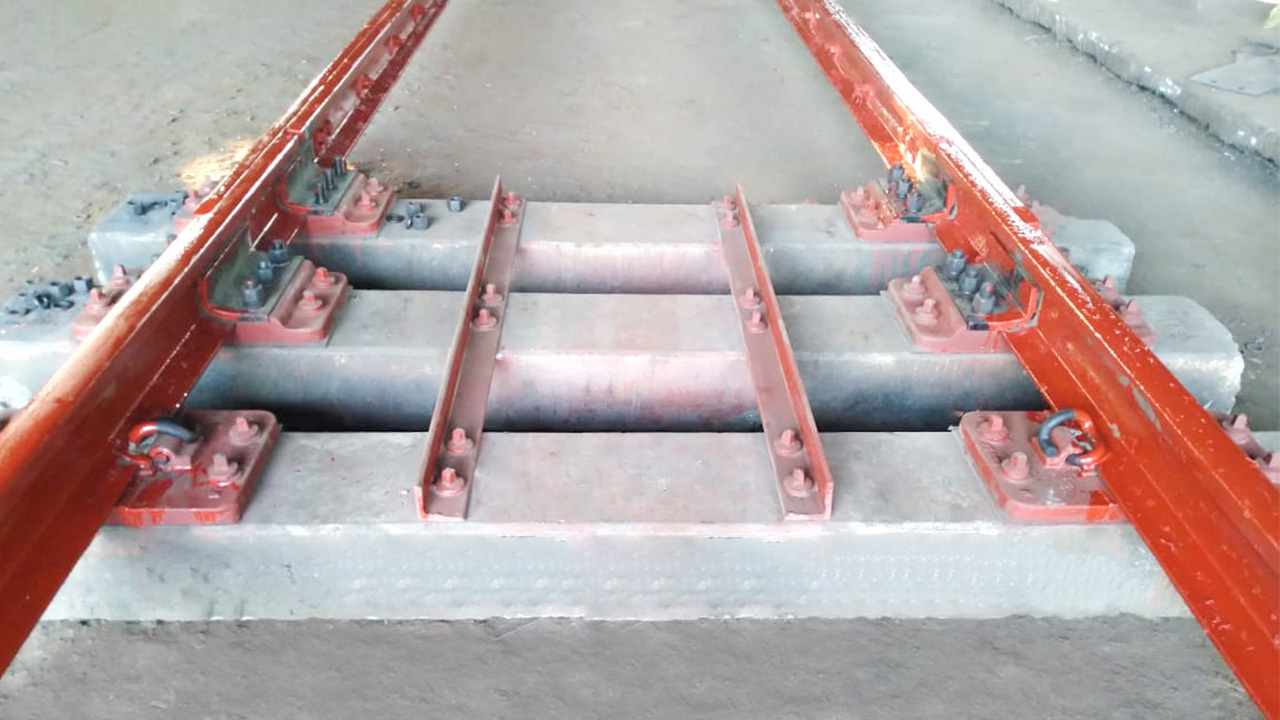
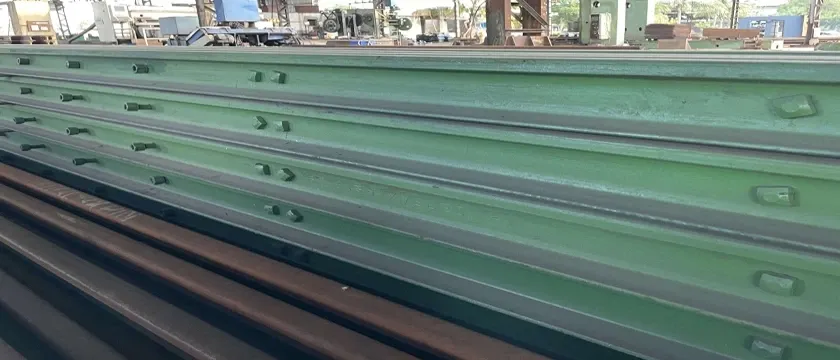
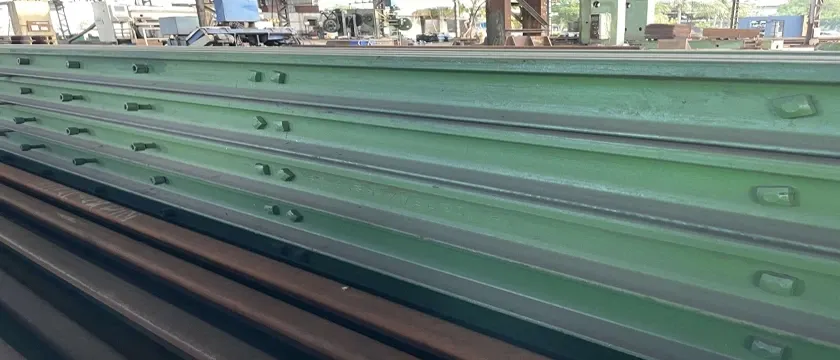
Glued Insulated Joints (GIJs) are a type of bonded rail joint that uses high-strength epoxy resin adhesives to bond the rails together while also incorporating insulation materials to maintain track circuit integrity. These joints are designed to withstand high mechanical stress and harsh environmental conditions, making them suitable for modern electrified and high-speed rail networks.
Evolution of Rail Joints: From Mechanical to Adhesive Solutions
Traditional Rail Joints: Challenges and Limitations
Mechanical joints like fish plates were once the standard in railway track construction. However, they present several challenges:
- Higher Maintenance: Requires regular tightening and inspection.
- Electrical Conductivity Issues: Difficult to isolate in electrified systems.
- Track Circuit Failures: Susceptible to short circuits.
- Vibration and Noise: Increased wear and operational noise due to mechanical gaps.
These drawbacks have pushed the industry to explore more reliable alternatives.
The Shift to Glued Insulated Joints
With railways moving towards electrification and automation, the demand for insulation in track circuits has grown. Glued insulated joints offer a seamless solution by:
- Electrically insulating rail sections
- Reducing vibrations and track noise
- Enhancing structural integrity under stress
- Lowering long-term maintenance needs
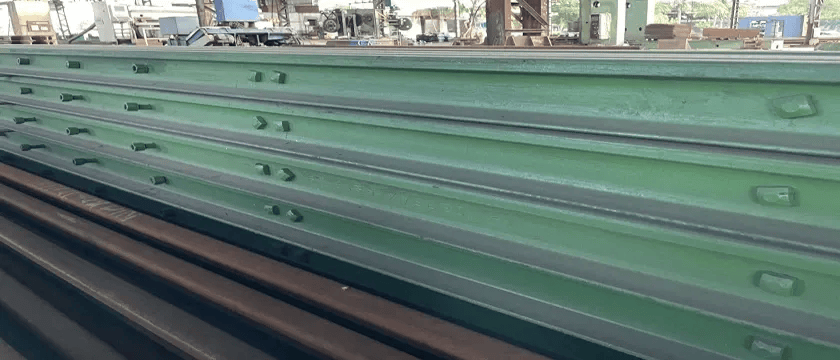
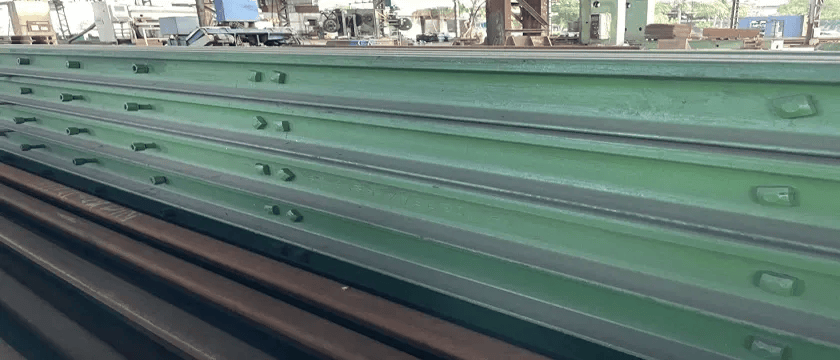
The mid-section of the rail is often reinforced with insulating materials like phenolic laminates and fiber-reinforced polymers, ensuring the joint can handle dynamic rail loads efficiently.
Key Advantages of Glued Insulated Joints
Glued insulated joints have found wide acceptance in metro rail, high-speed rail, and electrified freight corridors. Here are some notable benefits:
1. Superior Electrical Isolation
These joints effectively isolate rail sections for signaling and control systems, which is essential in modern track circuits.
2. Enhanced Structural Strength
Unlike bolted joints, GIJs distribute stress uniformly across the bonded surface, reducing the likelihood of fatigue and failure.
3. Low Maintenance and High Durability
Due to their monolithic structure and lack of moving components, glued insulated joints require minimal maintenance over long operational periods.
4. Cost Efficiency Over Time
While the initial installation cost may be higher than traditional joints, the long-term savings in maintenance, repair, and downtime make GIJs economically superior.
5. Environmental Resistance
High-grade adhesives and insulating materials allow glued joints to withstand extreme temperatures, humidity, and mechanical stresses.
Applications and Use Cases
GIJs are now being deployed in various segments of the rail industry:
- Metro Rail Systems: For seamless and quiet urban transportation
- Freight Corridors: Supporting heavy axle loads and high traction
- High-Speed Rail: Ensuring safety at elevated velocities
- Electrified Rail Sections: For precise and fail-safe track signaling
The use of GIJs is particularly crucial in electrified segments where signaling reliability is paramount. That is why Glued Insulated Rail Joints Manufacturers in India are seeing significant growth in both domestic and international markets.
Technological Innovations Driving GIJ Development
High-Performance Adhesives
One of the core components of GIJs is the adhesive resin. Modern adhesives offer better bonding strength, faster curing time, and resistance to environmental degradation.
Smart Monitoring Capabilities
Newer glued insulated joints are being designed to include smart sensors for monitoring:
- Thermal stress
- Vibration levels
- Electrical continuity
- Mechanical integrity
This allows for predictive maintenance and reduces the risk of track failures.
Customization for Indian Rail Conditions
Manufacturers are adapting GIJ technologies to suit the Indian Railways’ unique conditions, including high temperatures, heavy monsoons, and dust exposure.
Challenges in Implementation
Despite the benefits, there are a few challenges in widespread GIJ adoption:
- Skilled Installation: GIJs require precision installation for optimal performance.
- Initial Investment: Higher upfront costs can be a deterrent for smaller projects.
- Material Quality Control: Inconsistent quality in adhesives or insulating layers can reduce joint life.
To mitigate these issues, strict adherence to international standards and collaboration with reputed manufacturers are essential.
Quality Standards and Certifications
Leading GIJ manufacturers in India comply with global railway standards, including:
- UIC (International Union of Railways) standards
- EN ISO specifications
- Indian Railways RDSO approvals
These certifications ensure that glued joints meet stringent performance, safety, and durability criteria.
The Role of Indian Manufacturers in the Global Market
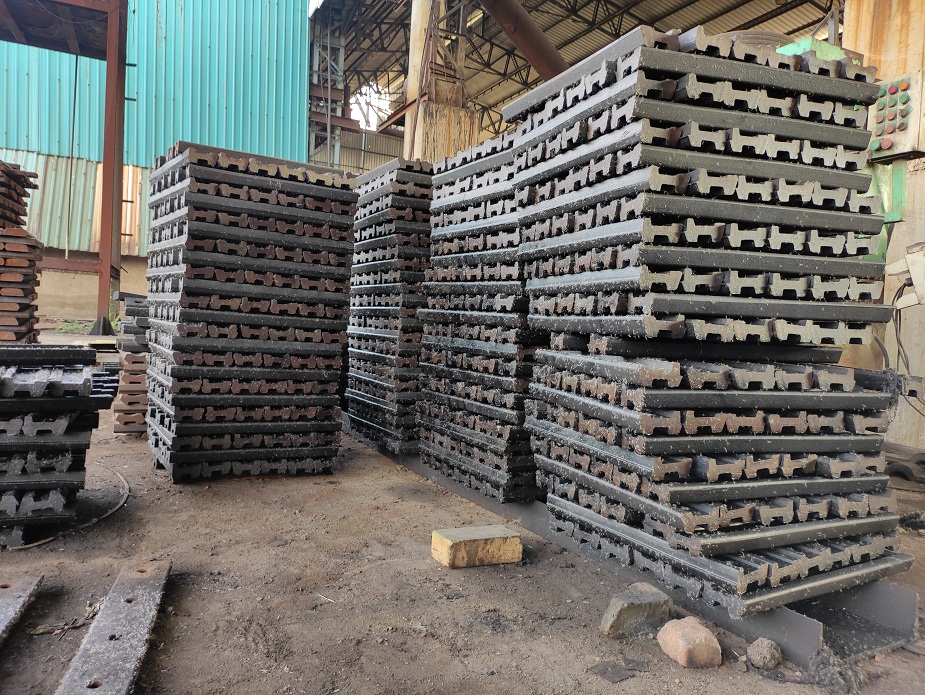
India is rapidly becoming a hub for high-quality rail component manufacturing. From advanced SGCI inserts to innovative jointing solutions, Indian manufacturers are exporting to Southeast Asia, Africa, and the Middle East.
Their ability to produce components at scale, with precision engineering and cost-effectiveness, makes them ideal partners in global rail modernization efforts.
Looking Ahead: Integration with Other Rail Technologies
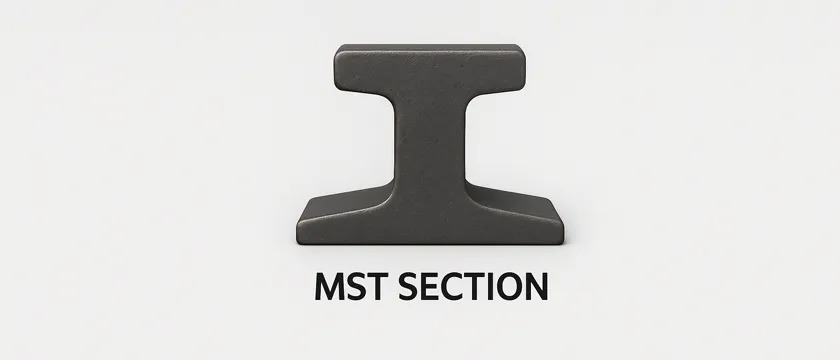
As railway systems evolve, GIJs will be further integrated with other advanced track technologies. One such integration involves Thick Web Switches, which are designed for heavy-duty and high-speed applications.
With rising demand for higher axle loads and faster rail traffic, thick web switches offer increased strength, fatigue resistance, and a longer lifecycle. Many Thick Web Switches Manufacturers in India are aligning their production standards with GIJ compatibility, ensuring smooth transitions across various rail segments.
Conclusion
Glued insulated joints are not just a replacement for traditional rail joints—they represent a future-ready solution aligned with the goals of modern railway infrastructure. With their electrical isolation, high mechanical strength, and minimal maintenance needs, they are fast becoming the gold standard in track connectivity.
As India pushes forward with ambitious railway modernization plans, the contribution of trusted SGCI Insert Manufacturers in India, advanced Glued Insulated Rail Joints Manufacturers in India, and specialized Thick Web Switches Manufacturers in India will be critical. These players are not just serving current demands but are actively shaping the future of global railway systems.
Whether it’s enhancing safety, optimizing performance, or enabling intelligent rail systems, glued insulated joints are laying the tracks for a smarter, safer, and more sustainable future in rail transport.