





The Role of H Beams in Modern Construction: Strength, Durability, and Applications
In today’s rapidly advancing construction industry, strong and durable materials are the backbone of every successful project. Among these materials, H Beams stand out as a fundamental structural element that ensures stability and resilience in modern infrastructure. With the demand for robust building materials rising across residential, commercial, and industrial sectors, H Beam Manufacturers in India are playing a critical role in supplying high-quality beams that meet international standards of strength, precision, and safety.
Understanding H Beams: A Brief Overview
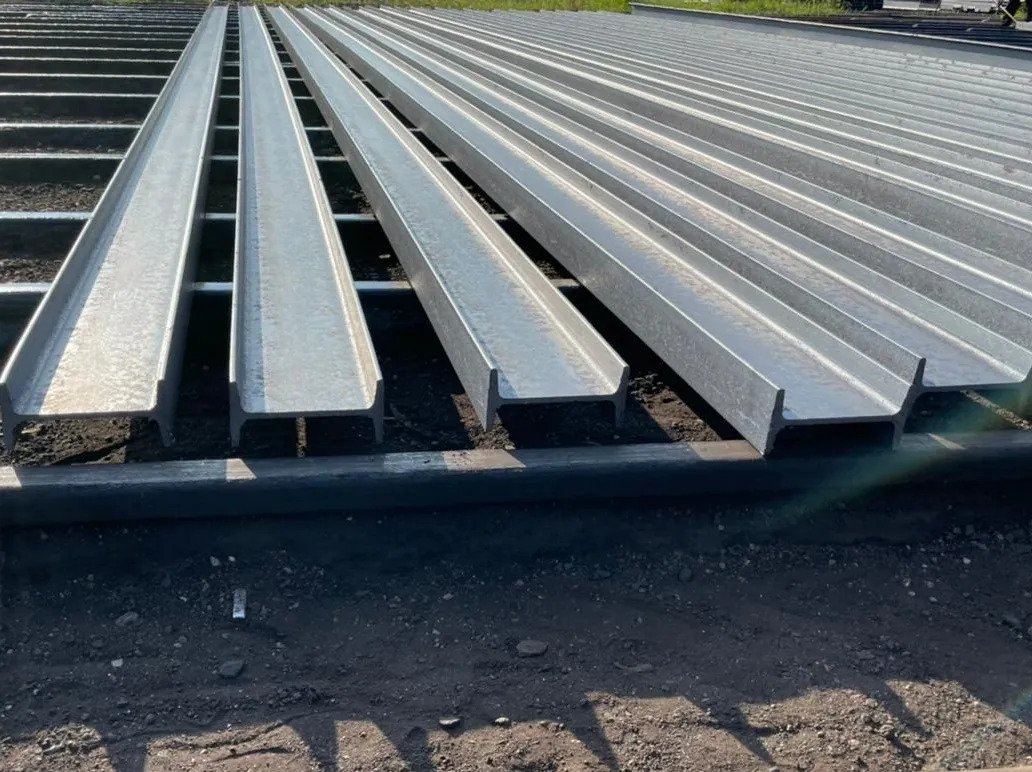
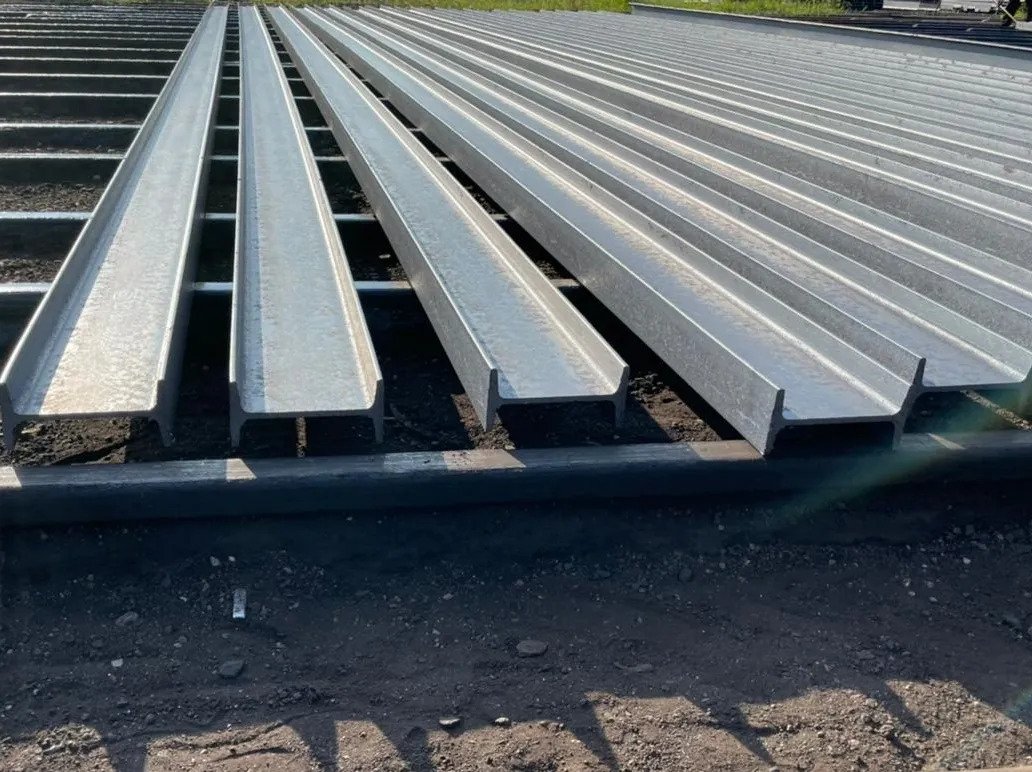
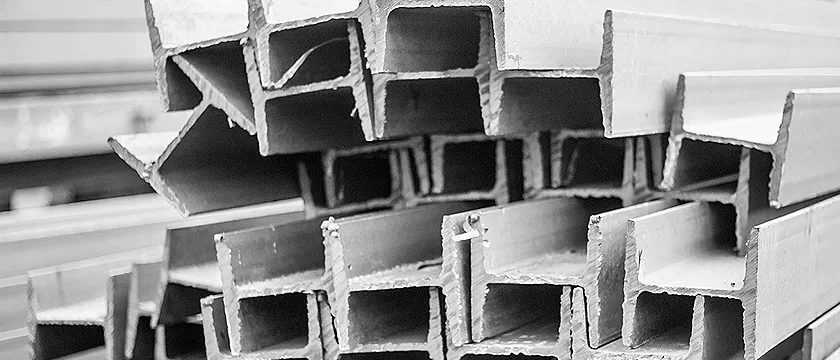
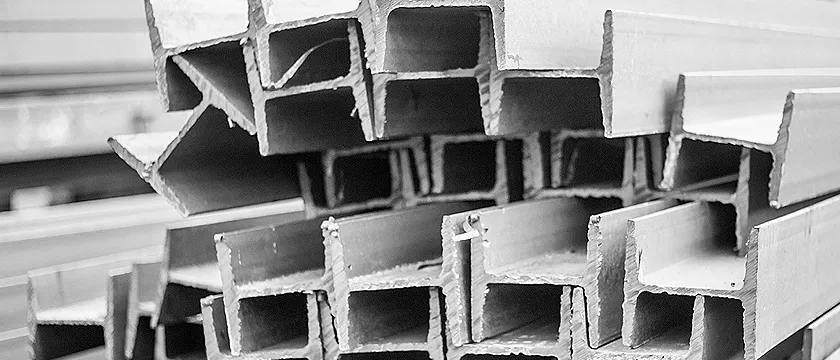
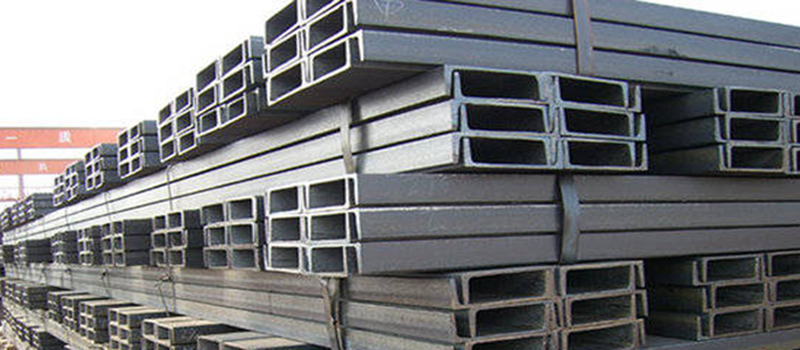
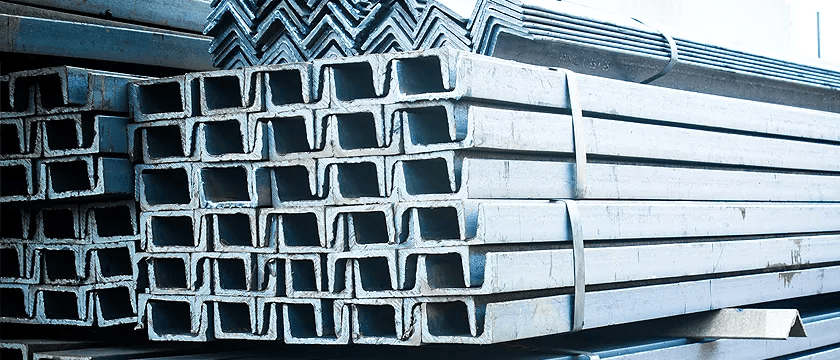
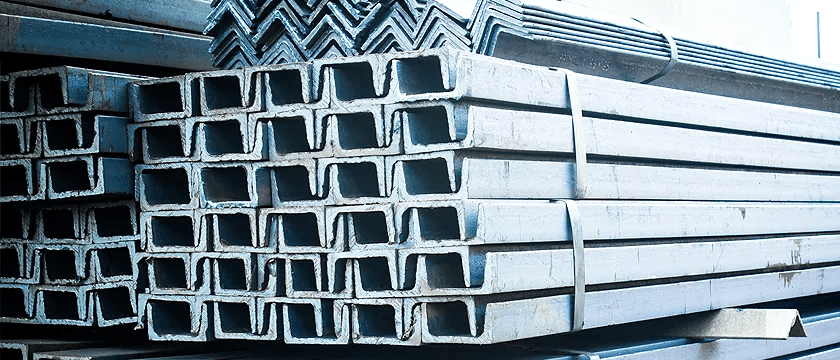
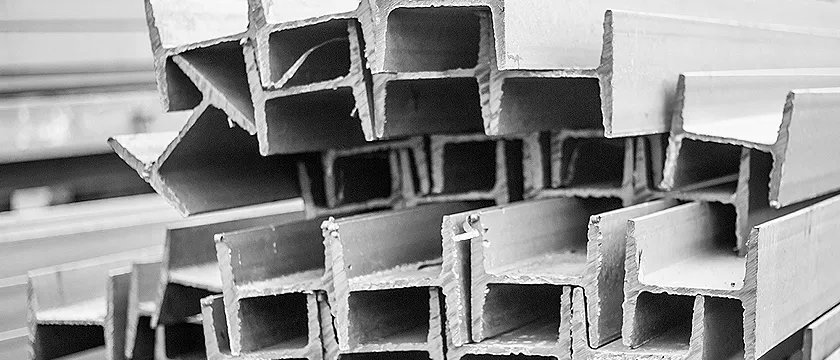
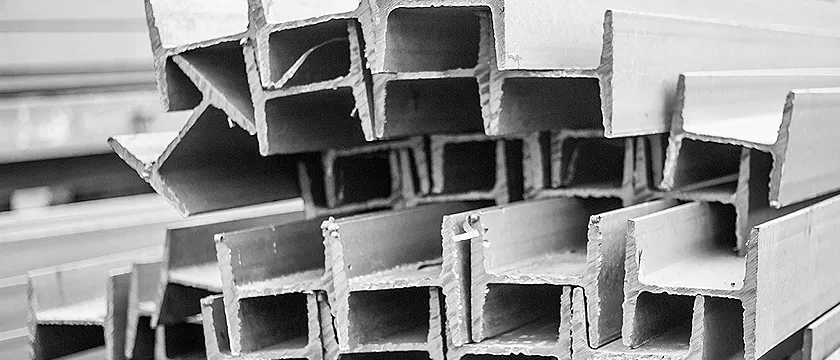
H Beams, also known as wide flange beams, are steel beams with an “H” shaped cross-section. Unlike traditional I-beams, H Beams have wider flanges and a thicker web, making them capable of bearing heavier loads and spanning longer distances without compromising stability. Their unique shape distributes load more evenly, which reduces stress concentration and enhances the overall structural performance of buildings and infrastructure.
These beams are fabricated from high-quality steel, ensuring excellent resistance against stress, bending, and compression. The design flexibility and strength of H Beams make them indispensable for architects and engineers in modern-day construction projects.
Key Features of H Beams
- High Load-Bearing Capacity – The wide flanges of H Beams provide superior support, enabling them to handle heavy loads effectively.
- Durability – Manufactured with high-strength steel, H Beams are resistant to wear, tear, and deformation, ensuring long-lasting performance.
- Versatility in Design – Their structure allows for easy welding, cutting, and fabrication into various shapes, making them adaptable to diverse construction needs.
- Cost-Effective Solution – Due to their efficiency in load distribution, fewer beams are required compared to other structural elements, ultimately reducing construction costs.
- Sustainability – Being recyclable, H Beams contribute to eco-friendly construction practices, aligning with the growing global focus on sustainable development.
Why H Beams Are Essential in Modern Construction
1. Structural Strength and Safety
H Beams form the skeleton of modern buildings, bridges, and industrial plants. Their ability to withstand heavy vertical and horizontal loads ensures that structures remain stable even under challenging conditions such as earthquakes, storms, or heavy machinery loads.
2. Adaptability Across Applications
From skyscrapers to industrial sheds, highways, and shipbuilding, H Beams are highly versatile. Their design enables engineers to use them in columns, beams, trusses, and mezzanine floors, adapting to different construction needs with ease.
3. Efficiency in Large-Scale Projects
For mega infrastructure projects like metro railways, flyovers, and large bridges, H Beams provide the reliability and strength required to ensure long service life and minimal maintenance.
4. Contribution to Aesthetics
Apart from structural reliability, H Beams also contribute to architectural creativity. Their clean, linear shape allows designers to create sleek, modern structures while maintaining strength and functionality.
Applications of H Beams in Construction
1. Commercial and Residential Buildings
H Beams are integral to the framework of high-rise buildings, providing both vertical and horizontal support. They ensure that large structures can withstand heavy loads while maintaining aesthetic appeal.
2. Industrial Infrastructure
Factories, warehouses, and power plants rely heavily on H Beams for building robust frameworks that support heavy machinery and equipment.
3. Transportation Infrastructure
Flyovers, bridges, and metro stations use H Beams for their ability to handle dynamic loads, making transportation safer and more reliable.
4. Marine and Offshore Applications
Due to their corrosion resistance and strength, H Beams are also used in shipbuilding, ports, and offshore structures.
5. Energy Sector
Power stations, oil refineries, and renewable energy structures like windmills also depend on H Beams for structural integrity.
H Beams and Their Role in Sustainability
Sustainability has become a central theme in construction, and steel structures like H Beams align perfectly with this objective. Since steel is recyclable, the use of H Beams reduces the carbon footprint of construction projects. Additionally, their long lifespan and low maintenance requirements minimize waste, making them a preferred choice for environmentally responsible projects.
Advancements in H Beam Production
Modern technology has revolutionized the manufacturing of H Beams. With cutting-edge machinery, precision engineering, and automation, manufacturers now produce beams with higher accuracy, consistency, and efficiency. The integration of advanced metallurgy ensures that beams meet specific strength and durability standards, catering to the evolving needs of the construction sector.
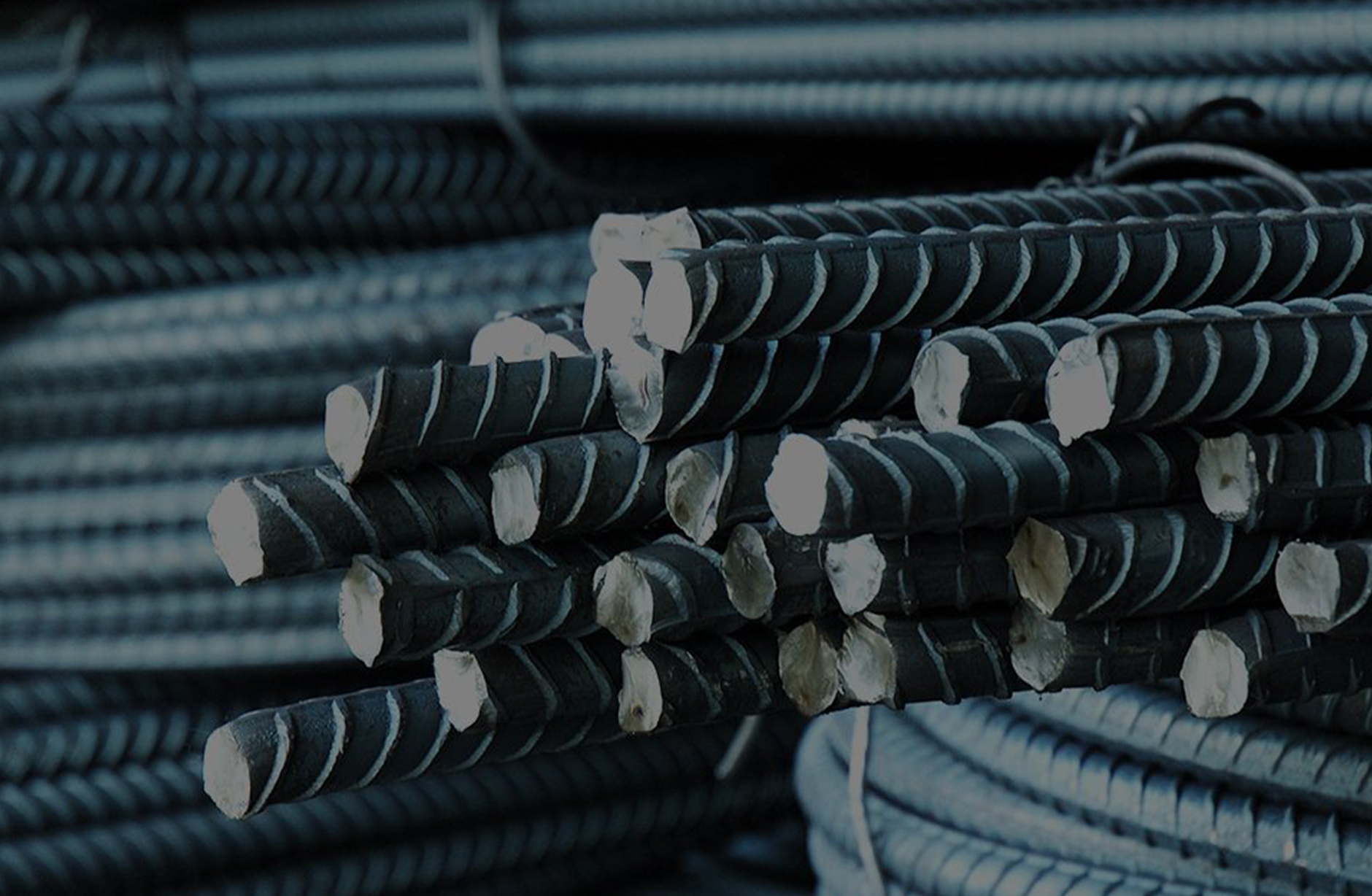
In parallel, innovations in steelmaking, such as Thermo-Mechanically Treated (TMT) steel, complement H Beams in construction projects. For instance, 550D TMT Manufacturers in India provide reinforcement solutions that, when used alongside H Beams, create highly resilient structures capable of withstanding extreme loads and environmental conditions. The combination of high-strength TMT bars with H Beams offers unmatched safety, making them indispensable in modern urban infrastructure.
Future Trends of H Beams in Construction
The role of H Beams in construction is expected to expand further as urbanization and industrialization accelerate globally. Some emerging trends include:
- Smart Manufacturing – Use of AI, robotics, and IoT in beam production for greater precision and reduced waste.
- Green Steel Production – Focus on eco-friendly manufacturing processes to minimize environmental impact.
- Integration with Modular Construction – H Beams are well-suited for prefabricated and modular buildings, which are becoming popular for reducing project timelines.
- Use in Mega Infrastructure Projects – With increasing investments in infrastructure development, the demand for high-quality H Beams will continue to rise.
Choosing the Right H Beam for Construction
Selecting the right H Beam depends on several factors, such as the load requirements, type of project, environmental conditions, and budget. Engineers must evaluate specifications like beam size, grade of steel, and thickness before finalizing. Reputable suppliers ensure quality assurance through certifications, testing, and adherence to international standards.
Working with trusted manufacturers not only ensures product quality but also provides the advantage of technical expertise and after-sales support, which is vital in large-scale projects.
Conclusion
The role of H Beams in modern construction cannot be overstated. With their strength, durability, and adaptability, they have become the foundation of safe and long-lasting structures across sectors. Whether it’s high-rise buildings, industrial plants, bridges, or energy infrastructure, H Beams provide the stability and support required in today’s ambitious projects.
As technology continues to advance, the collaboration between different structural solutions—such as H Beams and high-grade TMT steel—will further enhance construction practices. At the same time, sustainable and innovative manufacturing methods will shape the future of steel structures, ensuring they meet the demands of modern society while aligning with global environmental goals.
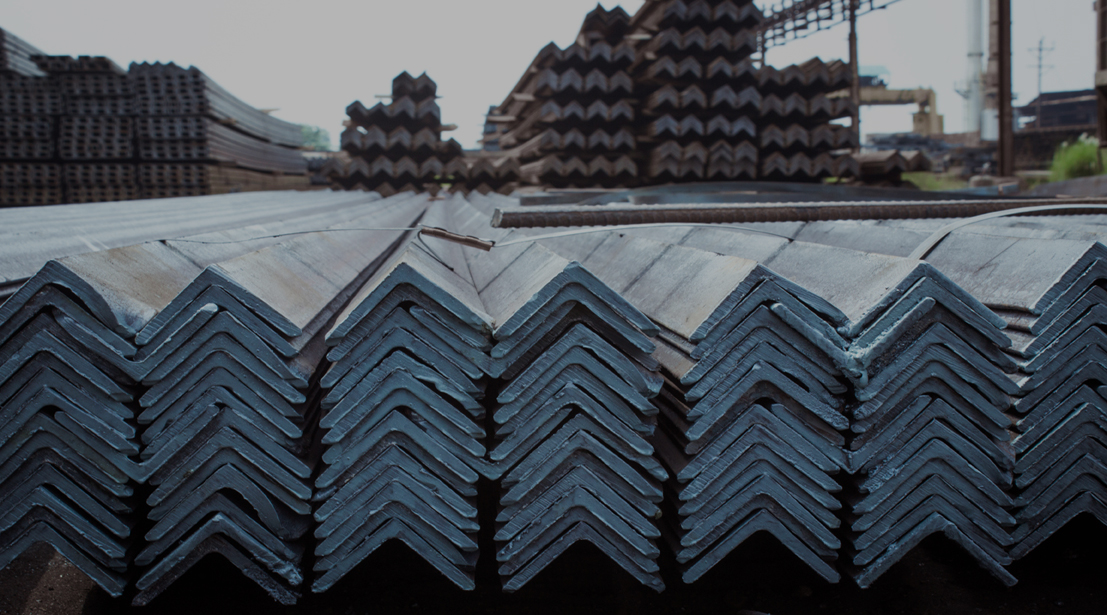
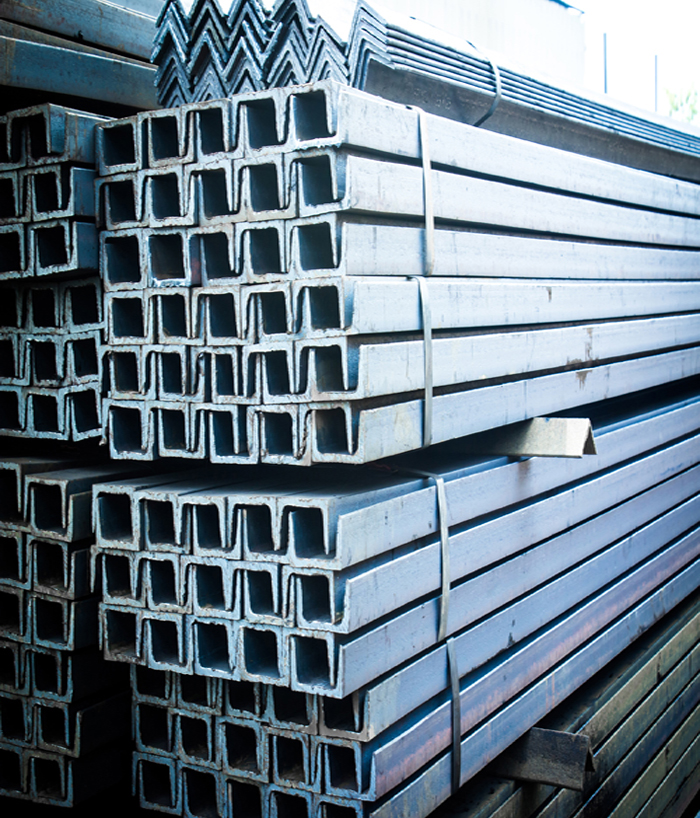
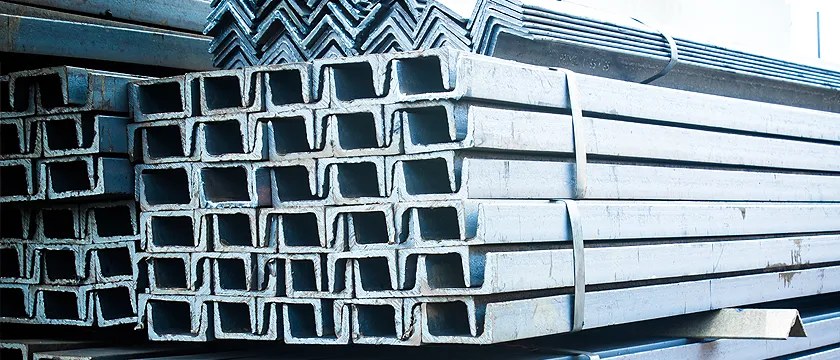
Moreover, as the construction industry diversifies, complementary products like Unequal Angles are also witnessing rising demand. Recognizing this trend, Unequal Angles Manufacturers in India are contributing significantly to the sector, offering products that support a wide range of applications alongside H Beams. Together, these structural elements are defining the strength and resilience of tomorrow’s infrastructure.