





How Rails and Rail Components Drive the Growth of Indian Railways
Indian Railways is one of the largest rail networks in the world, playing a pivotal role in transporting goods and passengers across the country. With over 68,000 kilometers of track and millions of daily passengers, its operational efficiency, safety, and expansion depend heavily on the quality of rails and rail components. These components form the backbone of the railway infrastructure, ensuring smooth transit, reduced downtime, and increased safety. Rail Manufacturers In India have been at the forefront of this growth, providing the foundational materials required for continuous development and modernization.
The Role of Rails in Railways
What Are Rails?
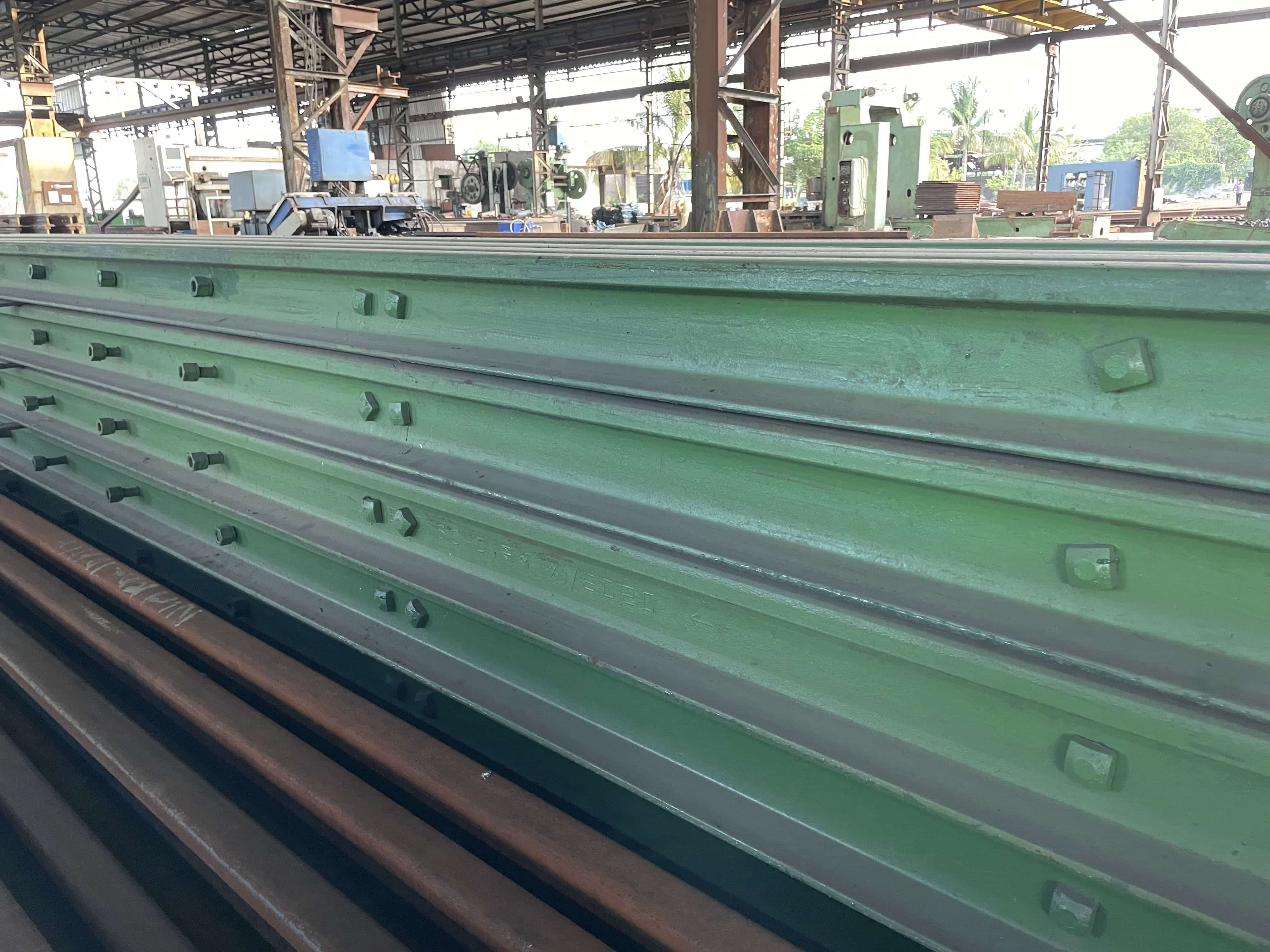
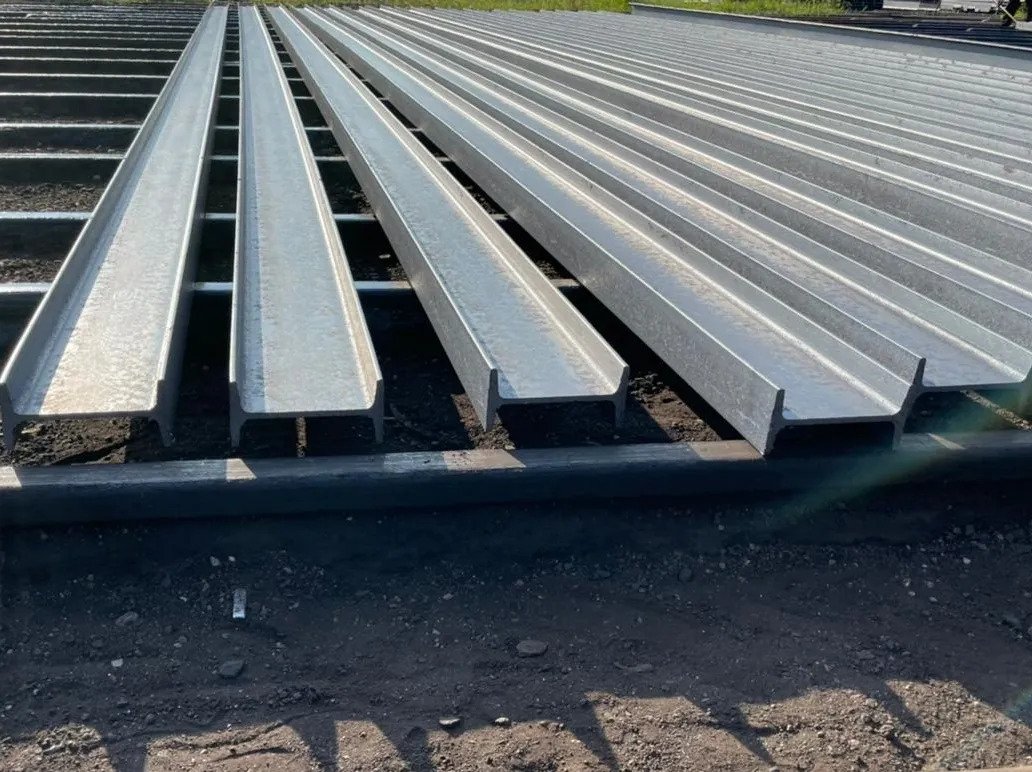
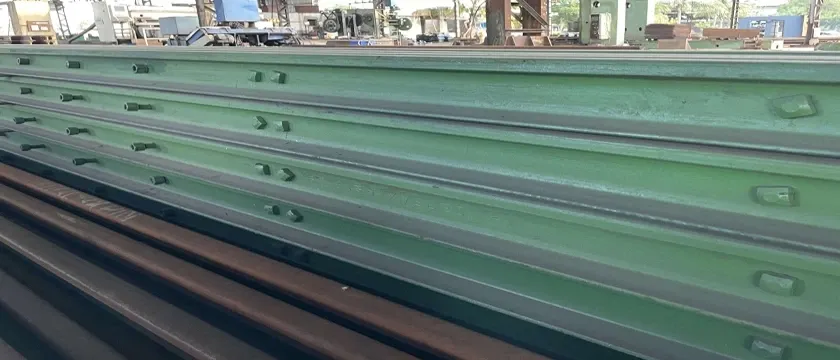
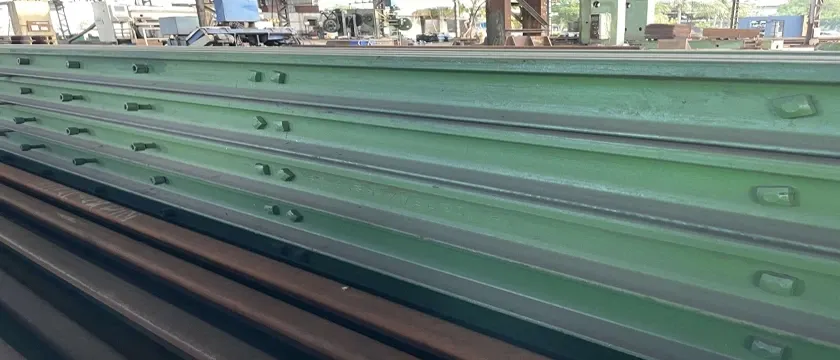
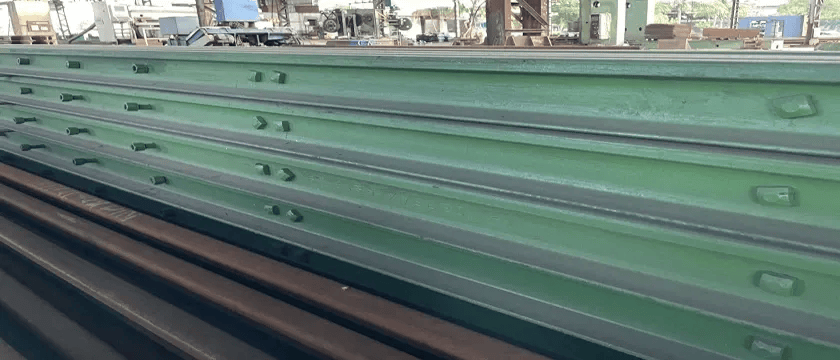
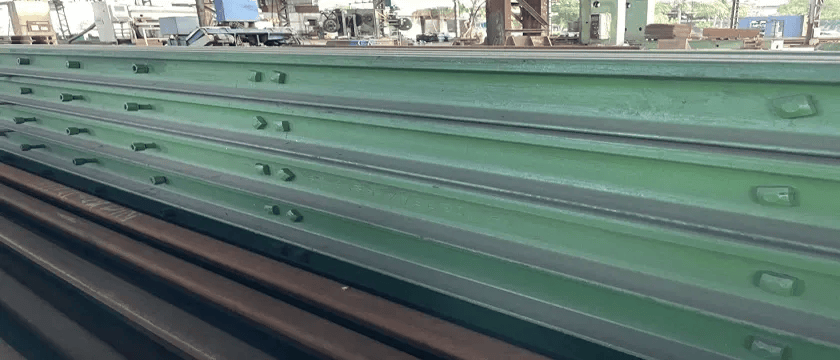
Rails are the steel tracks on which trains run. They are designed to withstand immense weight, high-speed vibrations, and varying climatic conditions. The development and standardization of rail production in India have significantly impacted railway expansion.
Types of Rails Used in Indian Railways
- Broad Gauge Rails: These are the most commonly used, providing greater stability for high-speed and heavy-load trains.
- Meter Gauge and Narrow Gauge: Used in specific regions for local or hilly terrains.
- Head-Hardened Rails: Designed for high-speed corridors and freight-heavy tracks.
The constant innovation in rail technology, such as the adoption of longer welded rails and head-hardened variants, has enhanced the durability and efficiency of railway systems.
Essential Rail Components: Hidden Heroes of the Track
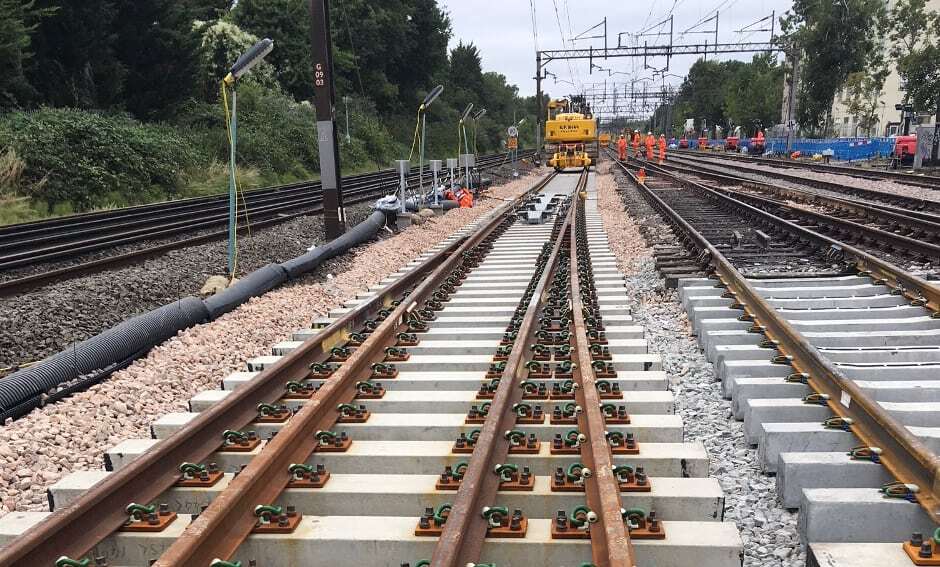
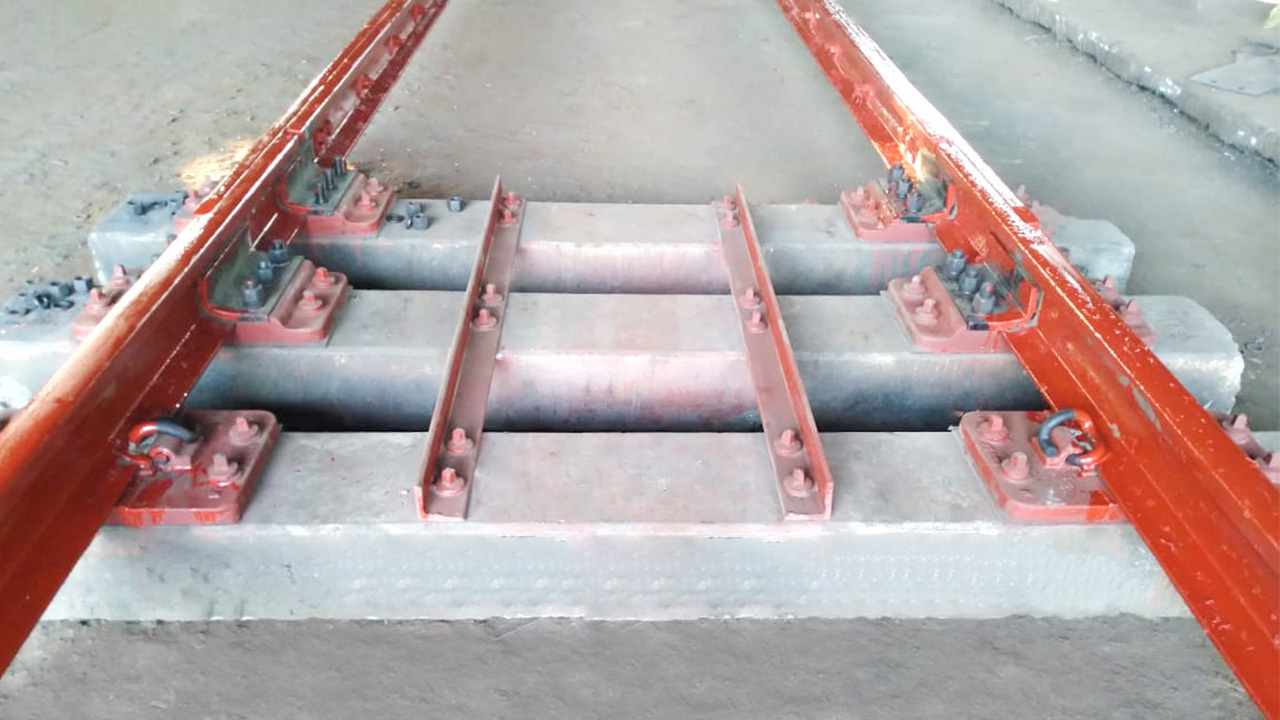
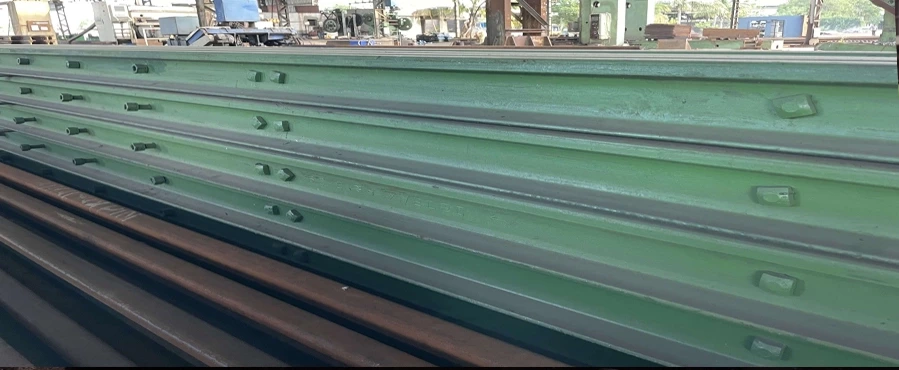
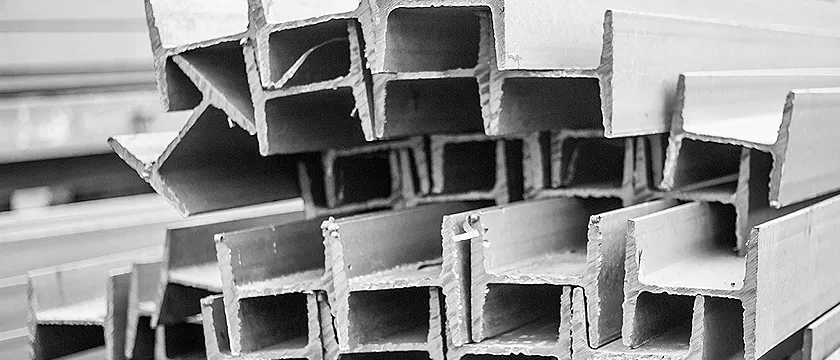
While rails form the surface for train movement, a wide variety of rail components support the entire structure. These include sleepers, fasteners, fish plates, base plates, and liners. Together, they form a robust track system capable of handling dynamic loads and temperature variations.
1. Sleepers
Sleepers are transverse supports placed under the rails. Typically made of concrete, steel, or wood, they maintain track gauge and ensure load distribution.
2. Rail Fasteners
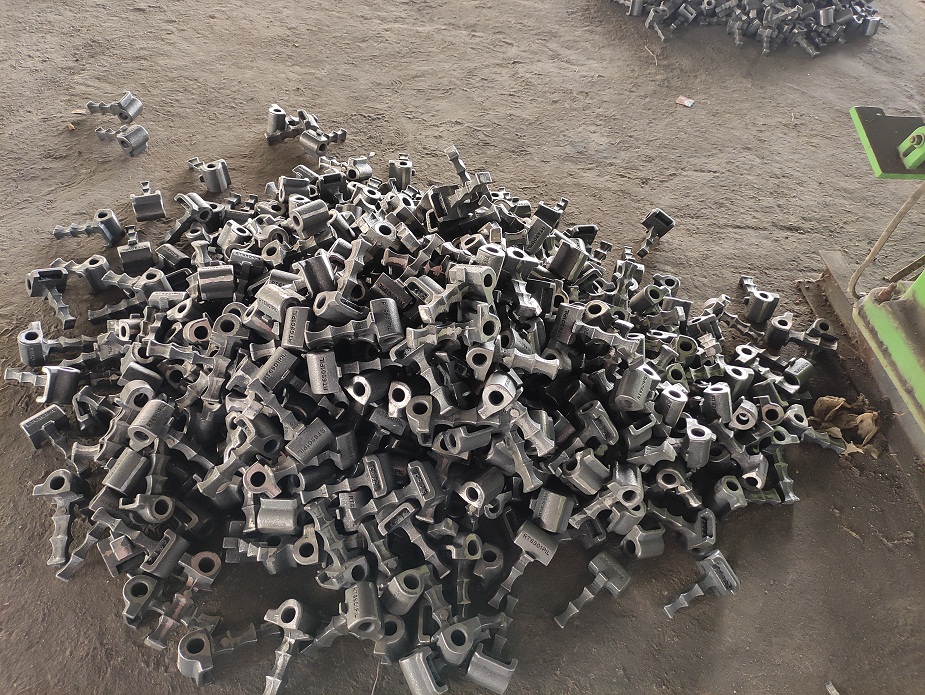
These include clips, bolts, and nuts that hold the rail tightly to the sleeper. They help maintain the position of the rail against lateral and vertical forces.
3. Fish Plates
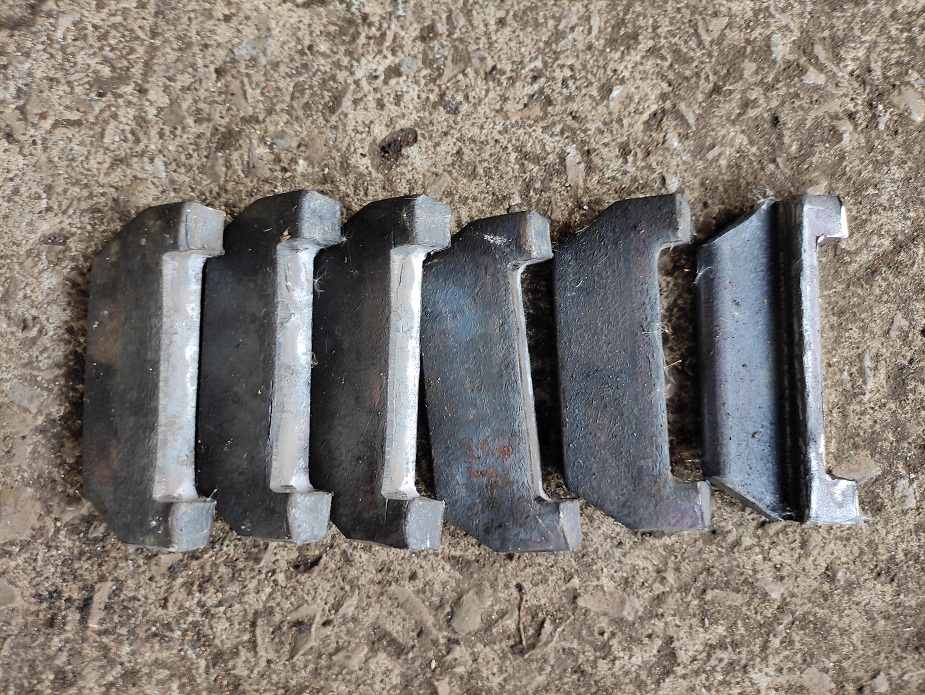
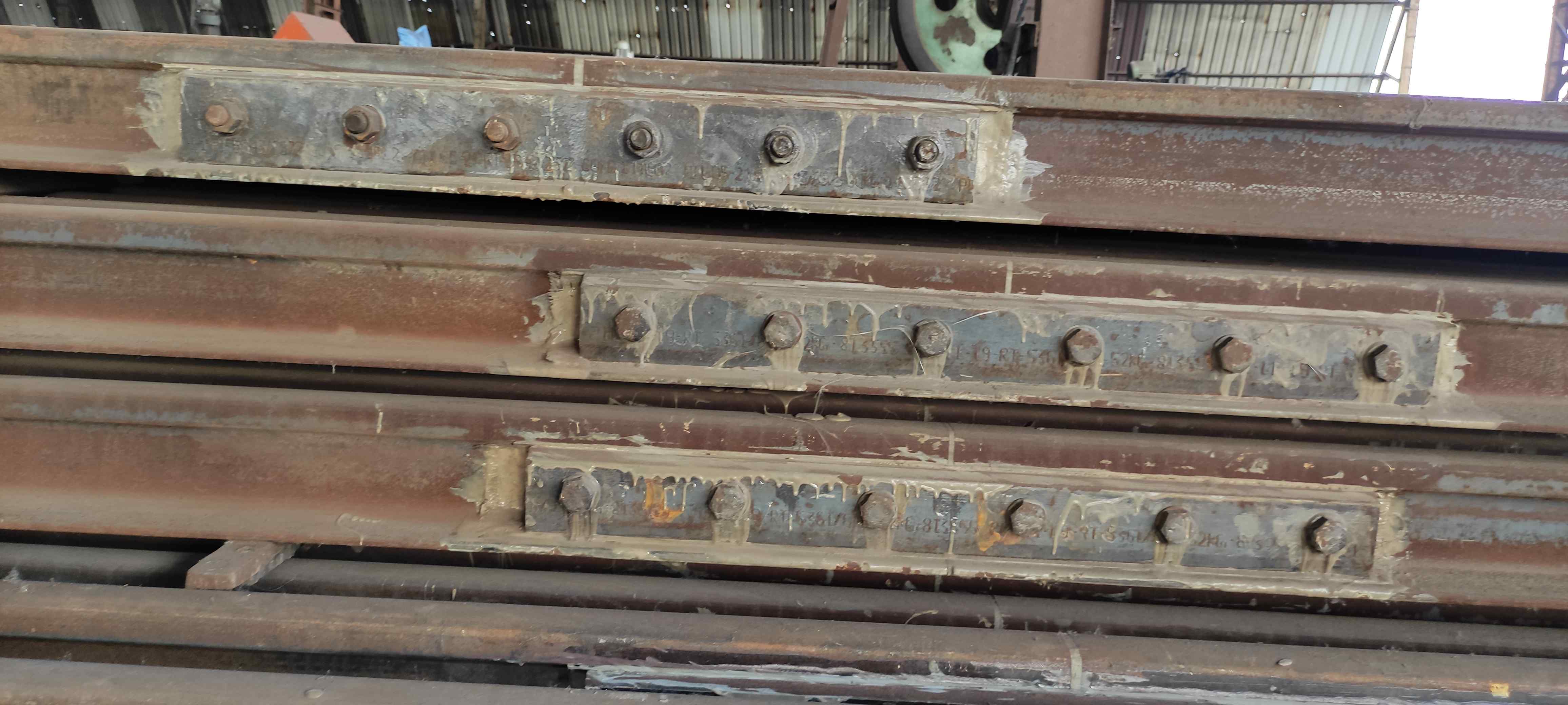
These are metal bars bolted to the ends of two rails to join them and maintain alignment. Fish plates are vital for the structural integrity of railway joints.
4. Base Plates and Liners
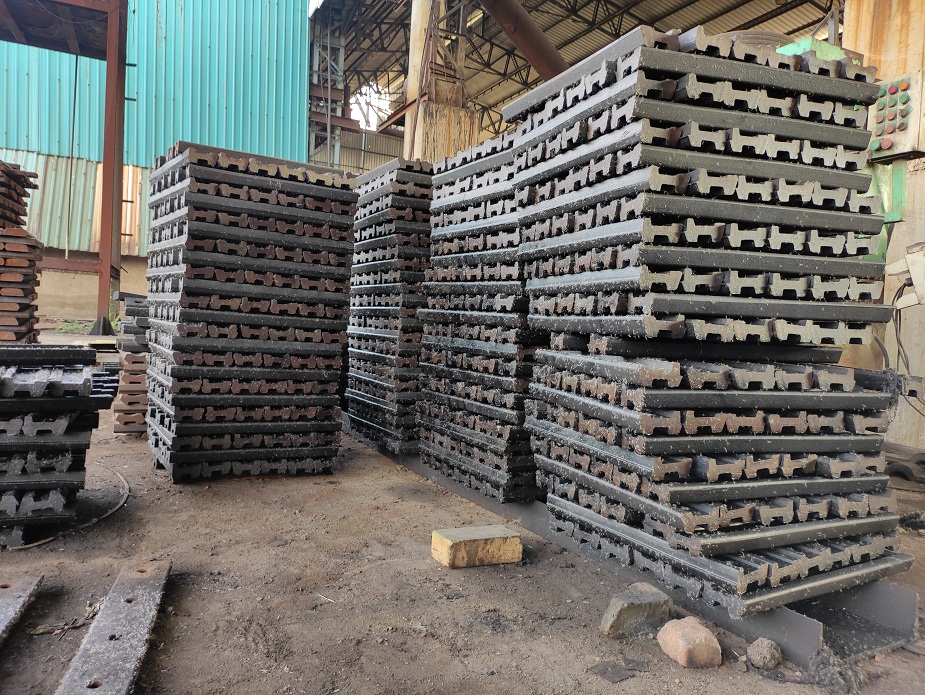
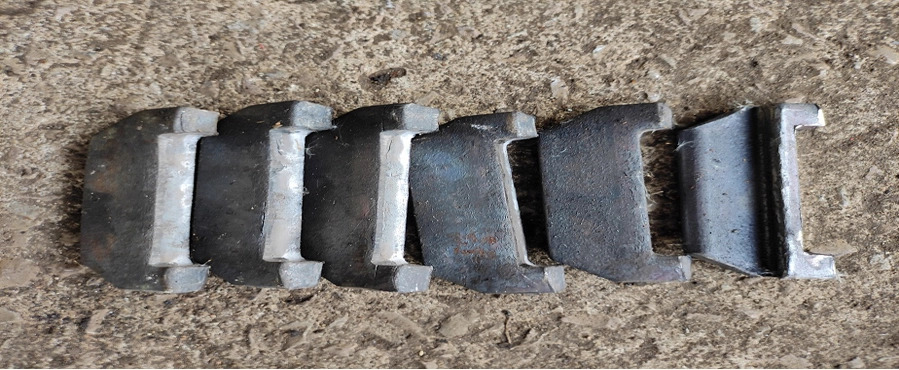
Base plates distribute the load from the rail to the sleeper, while liners are cushioning materials placed between rail and sleeper to reduce wear and tear.
Technological Advancements in Rail Components
Welding and Continuous Welded Rails (CWR)
Welding technology has transformed the way tracks are laid. Continuous Welded Rails eliminate joints, reducing noise, wear, and maintenance requirements. These welded tracks offer smoother rides and higher speed potential.
Smart Monitoring Systems
IoT and AI-based systems now monitor rail health in real-time. Sensors embedded in tracks can detect stress, cracks, or overheating, preventing accidents and ensuring proactive maintenance.
How Quality Components Contribute to Railway Growth
1. Safety and Reliability
High-quality rails and components ensure the structural stability of tracks, reducing the likelihood of derailments or breakdowns. The consistent quality provided by Metal Liner Manufacturers In India has improved shock absorption and track longevity.
2. Increased Speed and Capacity
Modern rail systems equipped with advanced rail components allow for higher speeds and increased frequency of trains. This has directly contributed to passenger satisfaction and logistical efficiency.
3. Cost Efficiency
Durable and low-maintenance components reduce operational costs. The longevity of components also means fewer replacements and lesser track downtime.
4. Environmental Benefits
Steel rails and recyclable components reduce the carbon footprint of infrastructure projects. Further, electric trains on strong tracks emit less pollution compared to road transport.
The Economic Impact of Rail Component Manufacturing
Employment Generation
The rail manufacturing industry supports thousands of direct and indirect jobs across India—from engineering and design to logistics and maintenance.
Boost to Allied Industries
Steel, rubber, electronics, and software sectors benefit from their linkages with the rail manufacturing ecosystem.
Export Opportunities
India is emerging as a global supplier of rail components, supplying to neighboring countries and other developing rail markets. Indian manufacturers are gaining international recognition for quality and affordability.
Government Initiatives Accelerating Growth
“Make in India” Campaign
The Indian government’s “Make in India” initiative has empowered local manufacturers to scale up production, improve quality, and meet global standards.
Dedicated Freight Corridors (DFC)
The introduction of DFCs has increased the demand for high-capacity rails and components. These freight corridors require durable infrastructure to carry heavy cargo efficiently.
Bullet Train Project
India’s bullet train initiative demands ultra-modern rail systems, further pushing innovation and quality in the domestic rail component sector.
Sustainability and Green Practices in Rail Manufacturing
Leading manufacturers are adopting green manufacturing practices. Use of solar energy, water recycling systems, and sustainable raw materials are becoming industry norms.
Recycling of steel components, use of fly ash in concrete sleepers, and eco-friendly packaging methods are also becoming widespread.
The Road Ahead: Modernization and Global Competitiveness
India’s rail modernization is not just about faster trains, but also about building a safer, more efficient, and environment-friendly infrastructure. With metro systems expanding in urban areas and semi-high-speed corridors under development, the demand for cutting-edge rail components is growing.
Companies are now investing in R&D, collaborating with global firms, and leveraging AI and machine learning for predictive maintenance. This not only enhances safety but also aligns Indian Railways with global benchmarks.
Final Thoughts: Small Components, Big Impact
It’s clear that behind every moving train is a network of rails and components that silently bear the weight of progress. While passengers may never notice them, their importance cannot be overstated. As infrastructure demand surges, it is vital for India to focus on both scale and quality in rail manufacturing.
Fish Plate Manufacturers In India and other component producers are essential players in the nation’s journey toward becoming a global rail power. By continuing to innovate, maintain high standards, and align with government goals, these manufacturers will ensure that Indian Railways continues to grow stronger, faster, and safer.