





Improved Switch Expansion Joints: Meeting the Demands of Heavy-Duty Rail Traffic
A New Era in Rail Track Engineering
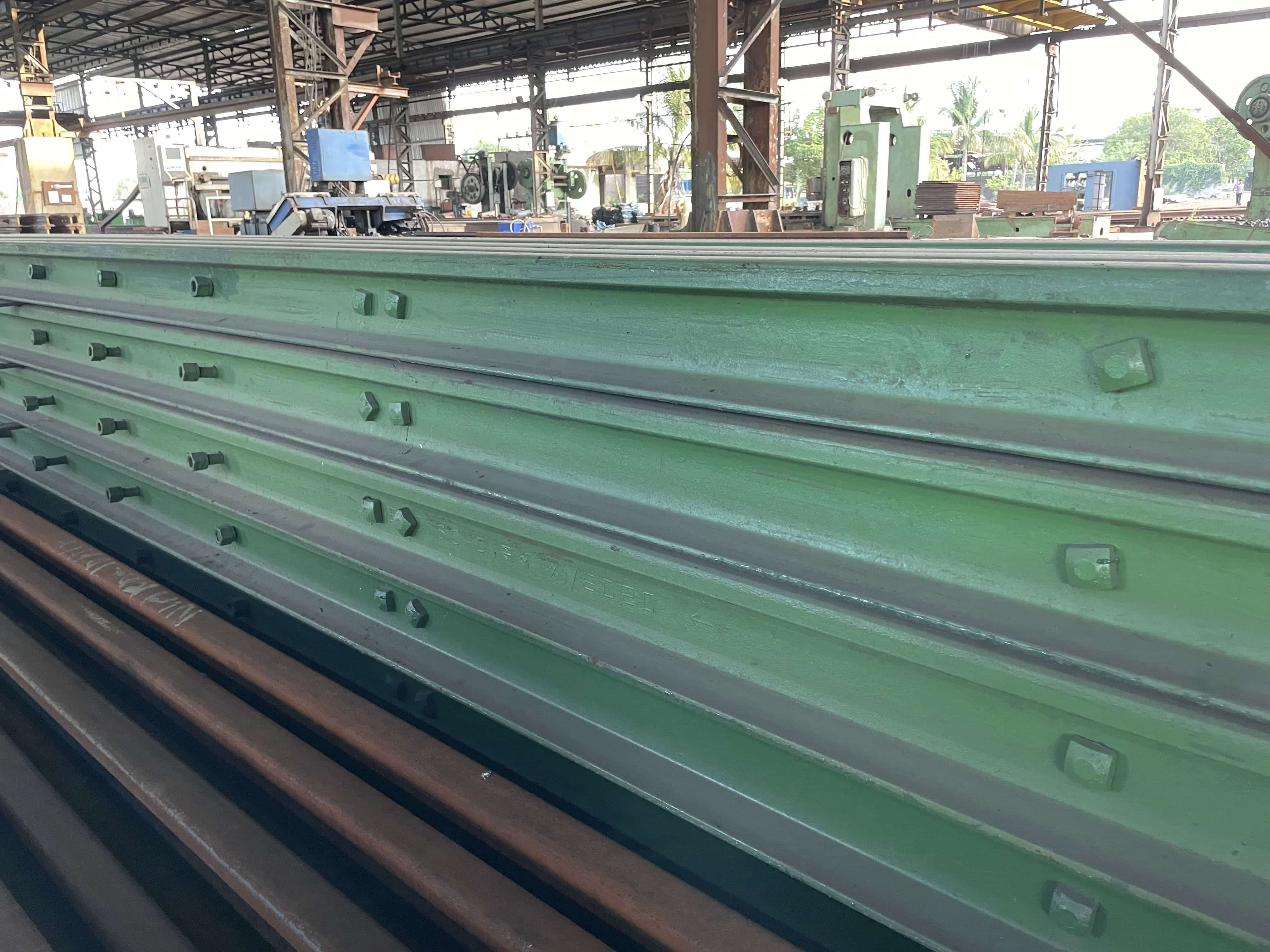
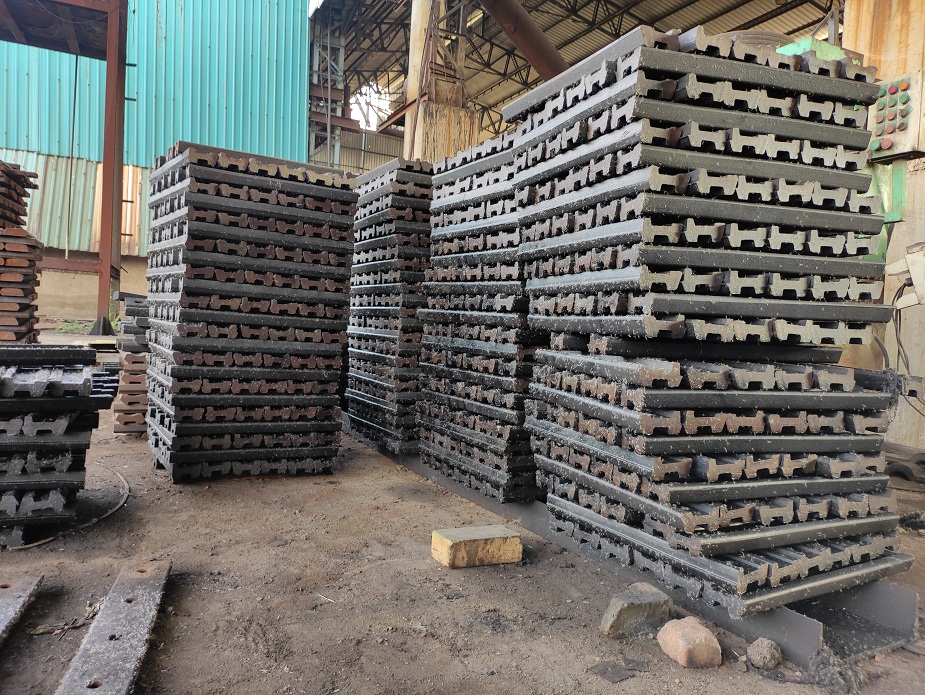
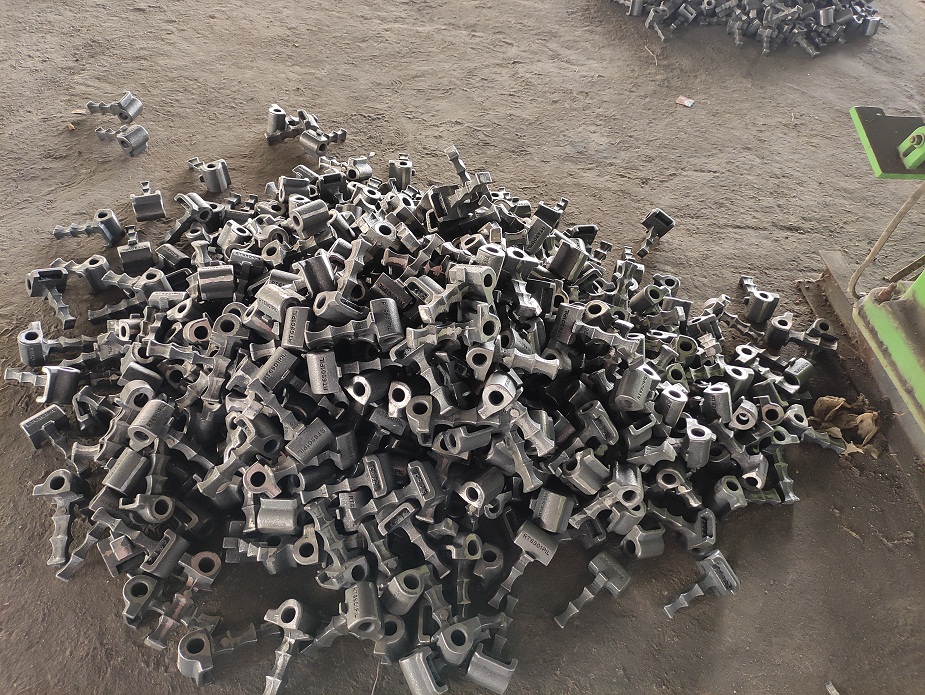
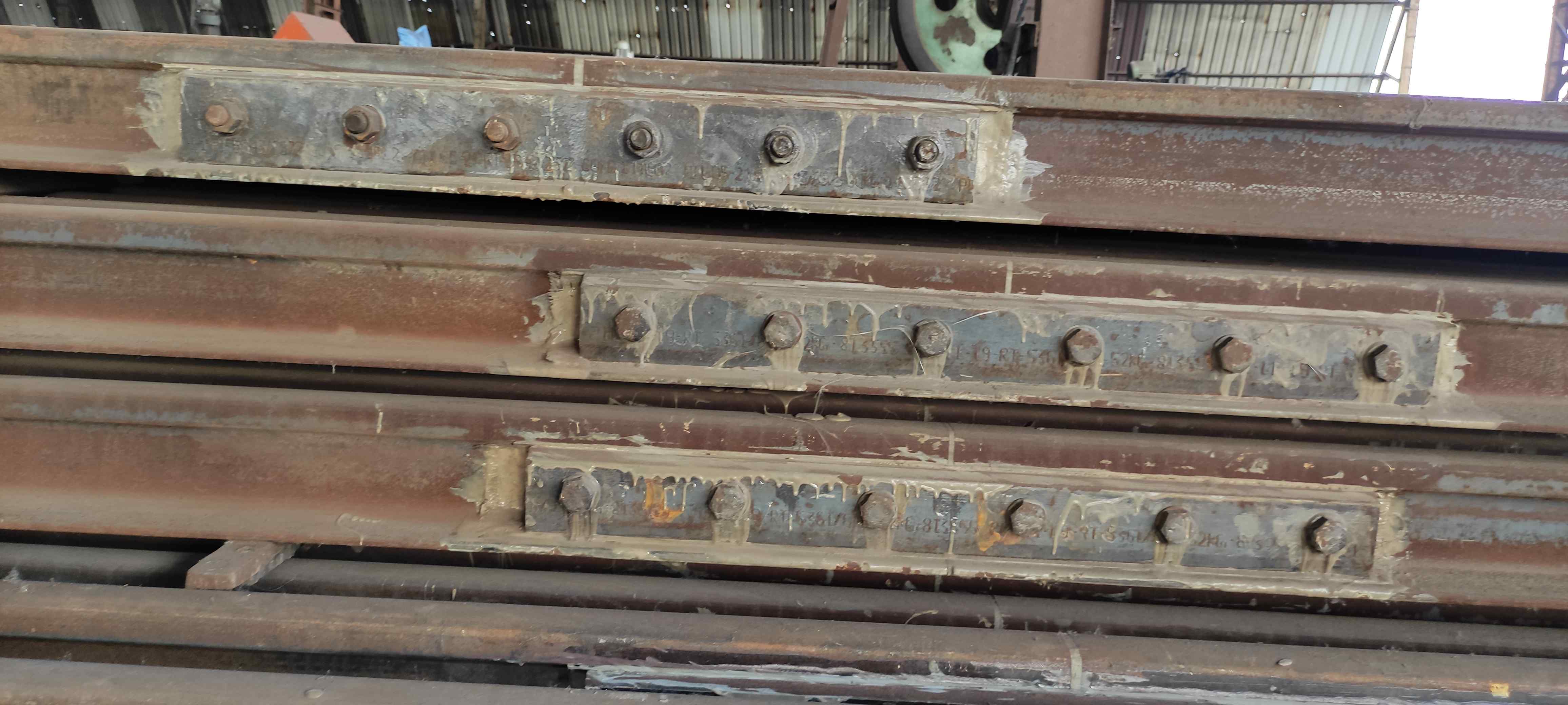
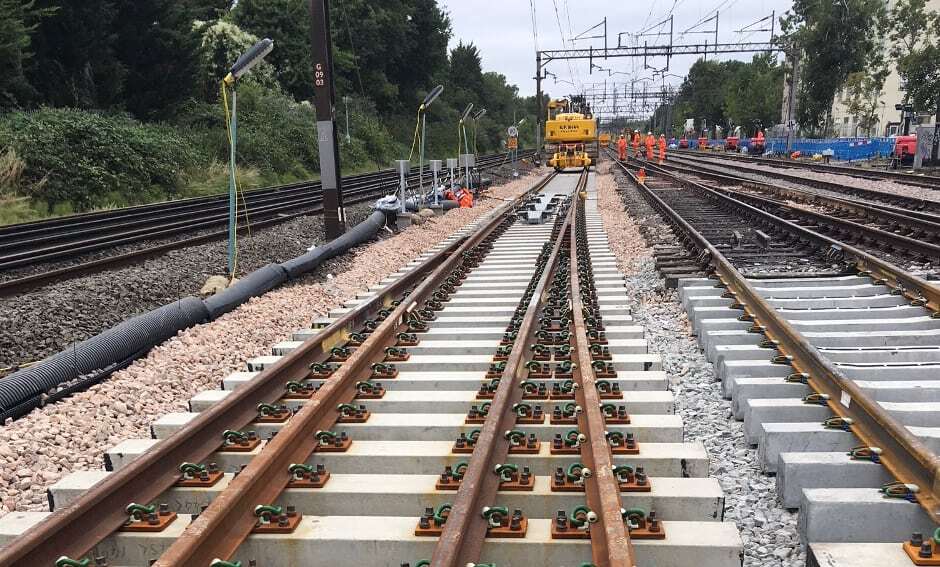
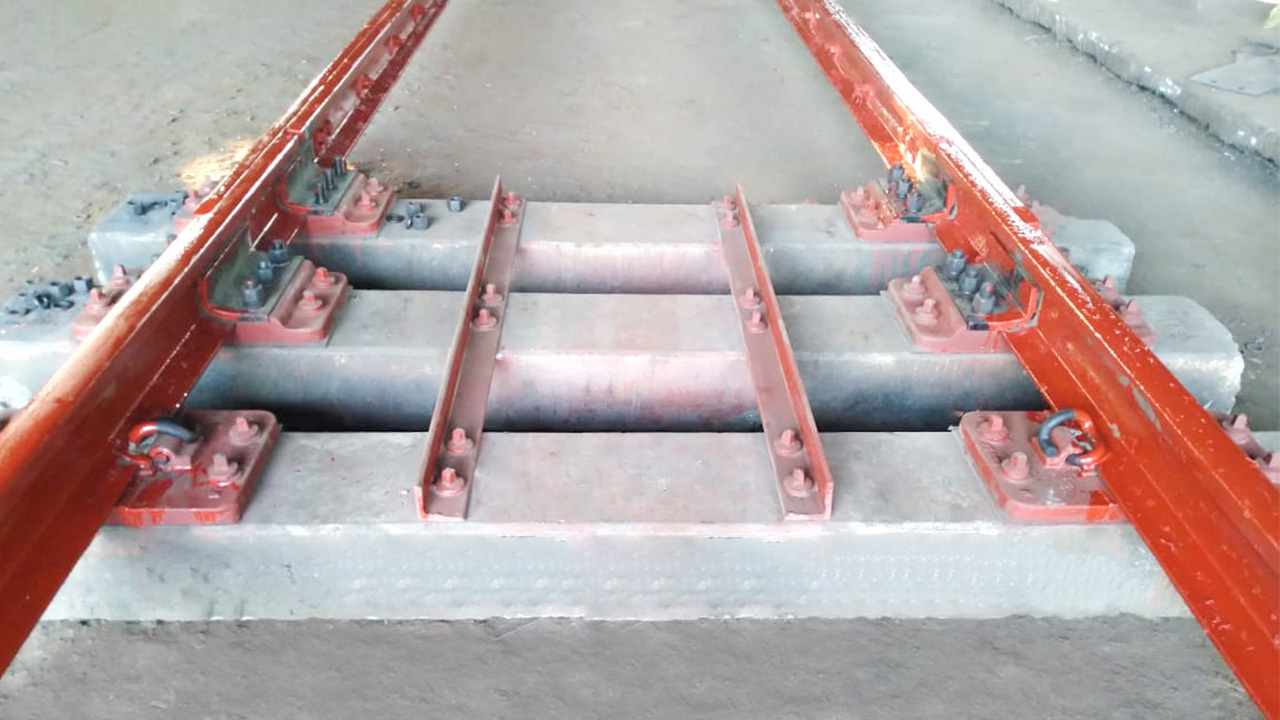
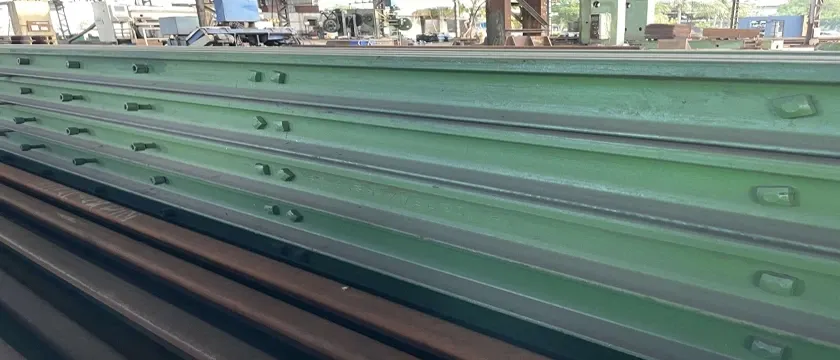
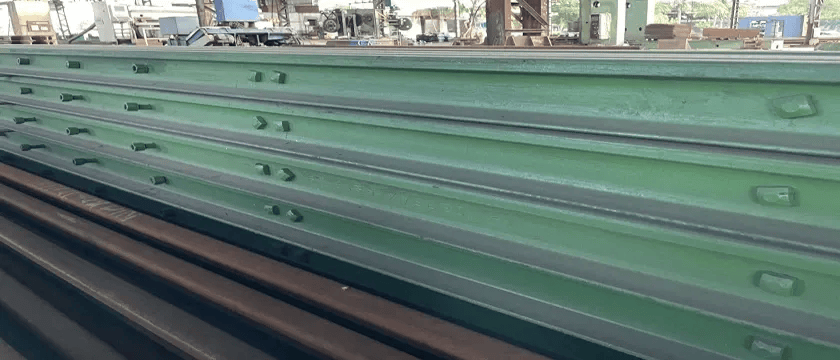
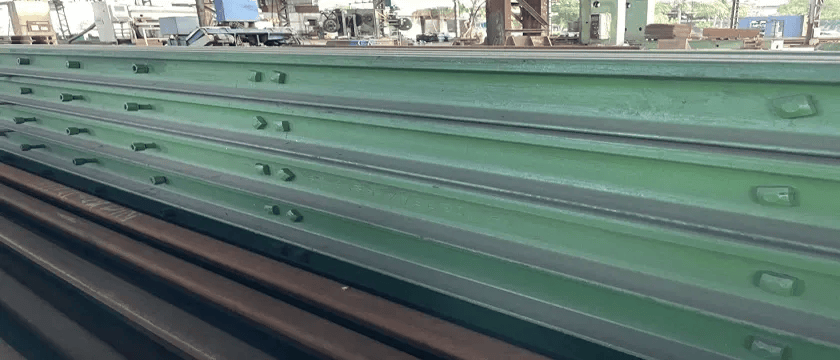
In India’s ever-expanding rail network, the demand for durability, efficiency, and safety is driving rapid advancements in rail infrastructure technology. One such critical innovation is the Improved Switch Expansion Joint (ISEJ)—a specialized rail joint engineered to absorb thermal expansion and contraction in high-speed and heavy-load rail systems. As a key solution for maintaining continuous welded rails and ensuring seamless track performance, ISEJs have become indispensable across high-density freight corridors and metro networks. Today, Improved Switch Expansion Joint (ISEJ) Manufacturers In India are playing a crucial role in supplying cutting-edge components that meet international safety and quality standards.
Understanding Switch Expansion Joints
What Are Switch Expansion Joints?
Switch Expansion Joints (SEJs) are track components designed to accommodate longitudinal movements caused by temperature fluctuations. As rail lengths expand in summer and contract in winter, SEJs absorb this movement without compromising rail alignment or stability. Traditional joints often require frequent maintenance and are prone to failure under intense load cycles. This is where Improved Switch Expansion Joints come in.
Why "Improved" Matters
The ISEJ is a technologically enhanced version of conventional SEJs, crafted for heavy-duty rail traffic and faster train operations. With better design geometry, improved metallurgy, and higher tolerance levels, ISEJs:
- Minimize wear and tear on wheels and rails.
- Reduce track stress during thermal fluctuations.
- Extend the service life of rail sections.
- Lower maintenance downtime and costs.
Design Features of Improved Switch Expansion Joints
1. Superior Material Composition
ISEJs are typically manufactured using high-tensile steel and corrosion-resistant alloys. This ensures performance stability even under the most demanding rail conditions such as coastal regions, high-traffic freight lines, and steep gradients.
2. Enhanced Movement Range
Improved SEJs offer a wider range of expansion and contraction, suitable for regions with extreme temperature variations. This adaptability prevents track buckling and rail fractures.
3. Precision Engineering
Manufacturers utilize CNC machining and automated welding techniques to produce parts with high dimensional accuracy. This results in a perfect fit within the rail system and smooth vehicle transition.
4. Modular Assembly
Modern ISEJs are designed with replaceable modules, allowing quick part replacement without disassembling the entire unit. This is especially valuable for emergency repairs.
The Growing Role of Indian Manufacturers
India’s railway modernization projects, including the Dedicated Freight Corridors (DFCs) and High-Speed Rail (HSR) lines, have created an enormous demand for technologically advanced track fittings. Indian manufacturers have not only met domestic needs but have also started exporting to African, Middle Eastern, and Southeast Asian nations.
This shift has driven a competitive and quality-focused ecosystem among ISEJ manufacturers. They are integrating:
- Automated Quality Control (QC) systems
- Non-destructive testing (NDT)
- Global Standard Certifications (EN, AREMA, IRS)
Such upgrades ensure that every component meets the safety, durability, and performance benchmarks expected in international rail projects.
Material Integration: The Role of MS Channels
Structural Support and Load Distribution
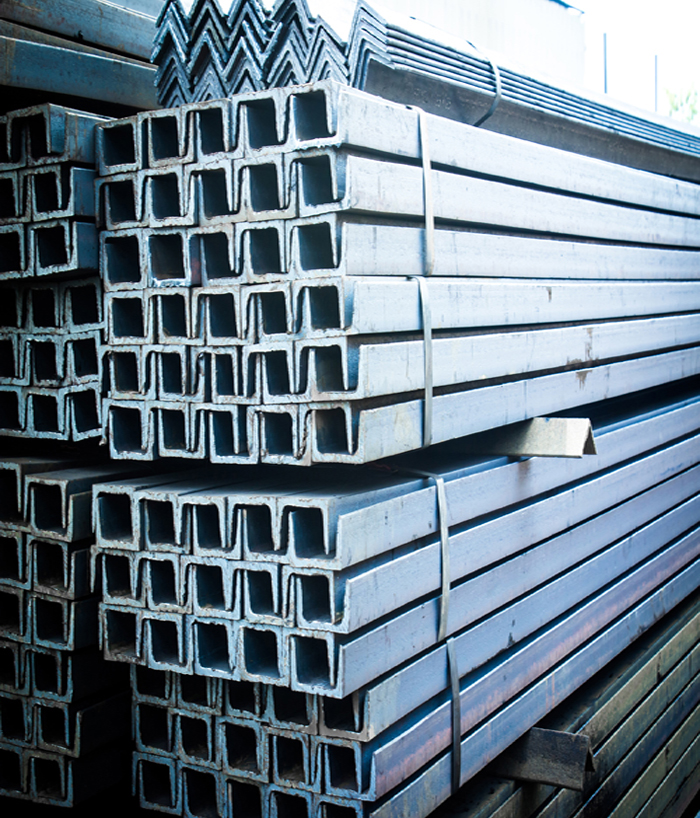
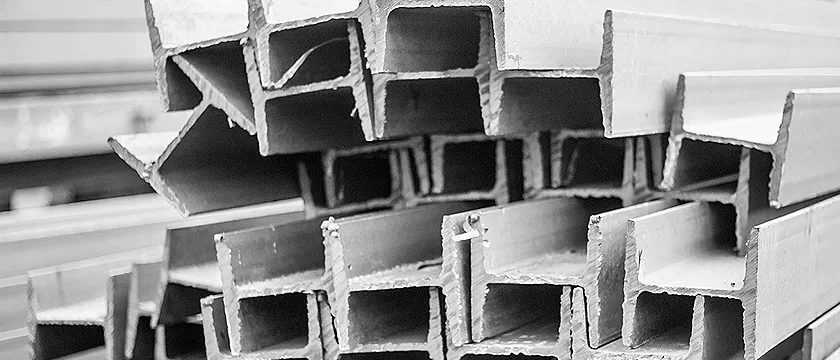
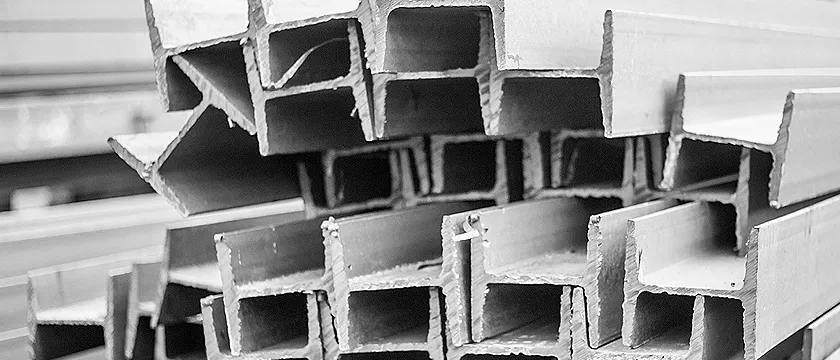
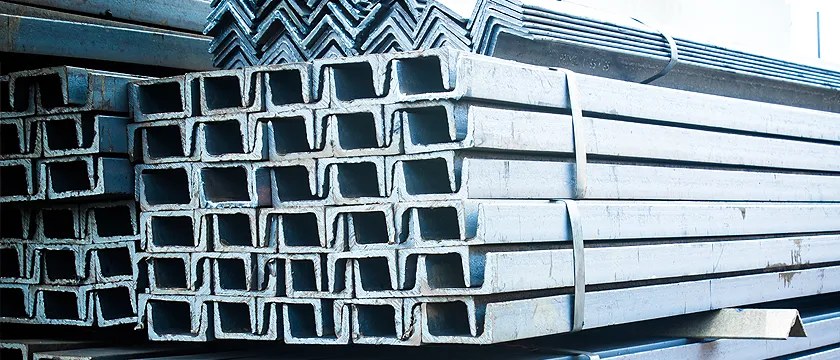
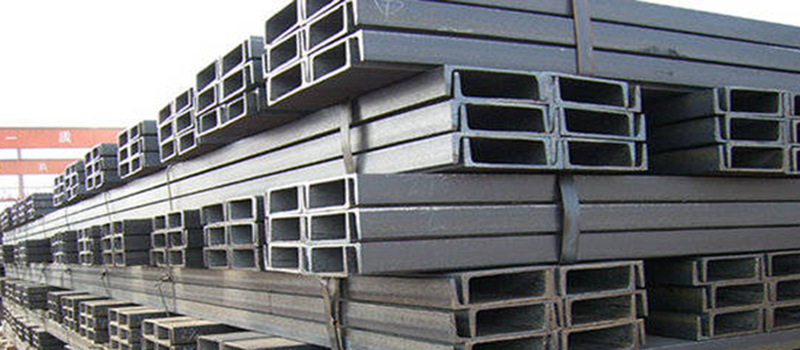
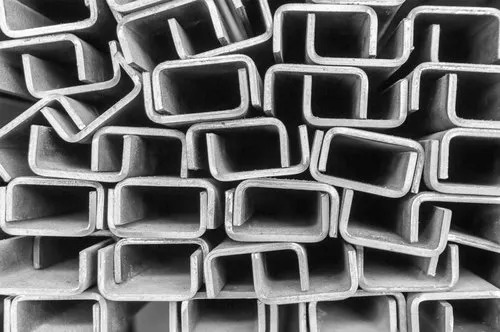
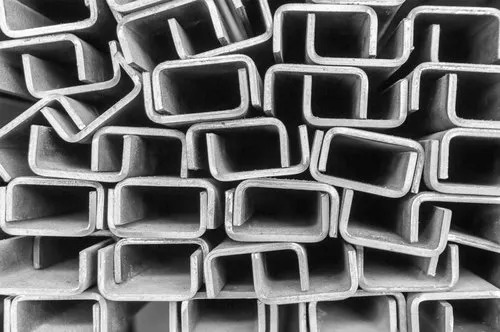
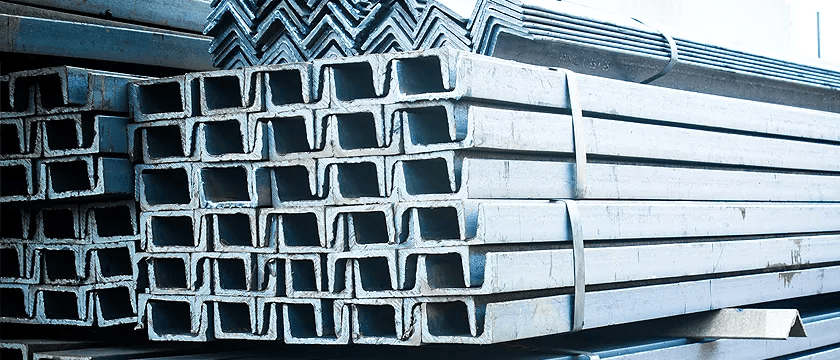
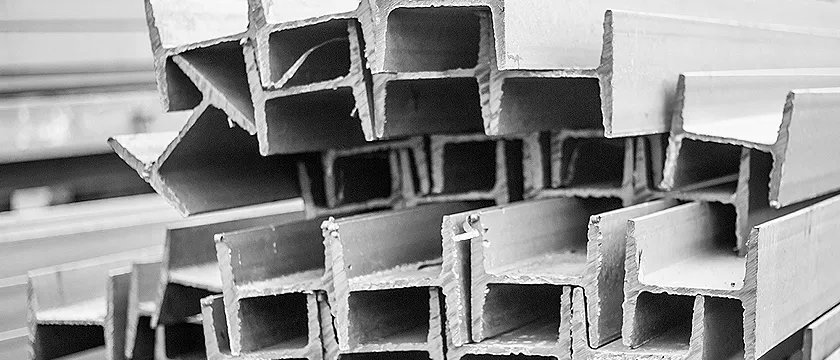
In the assembly of ISEJs, MS (Mild Steel) Channels serve as foundational structural components. They are crucial for:
- Distributing vertical and horizontal loads.
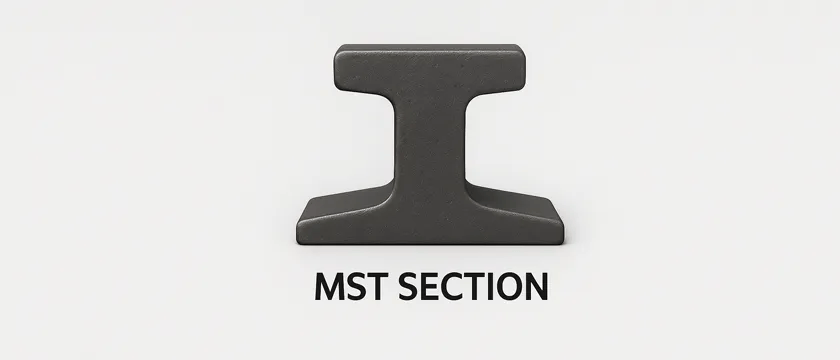
- Providing reinforcement to the rail base.
- Ensuring proper alignment during thermal movement.
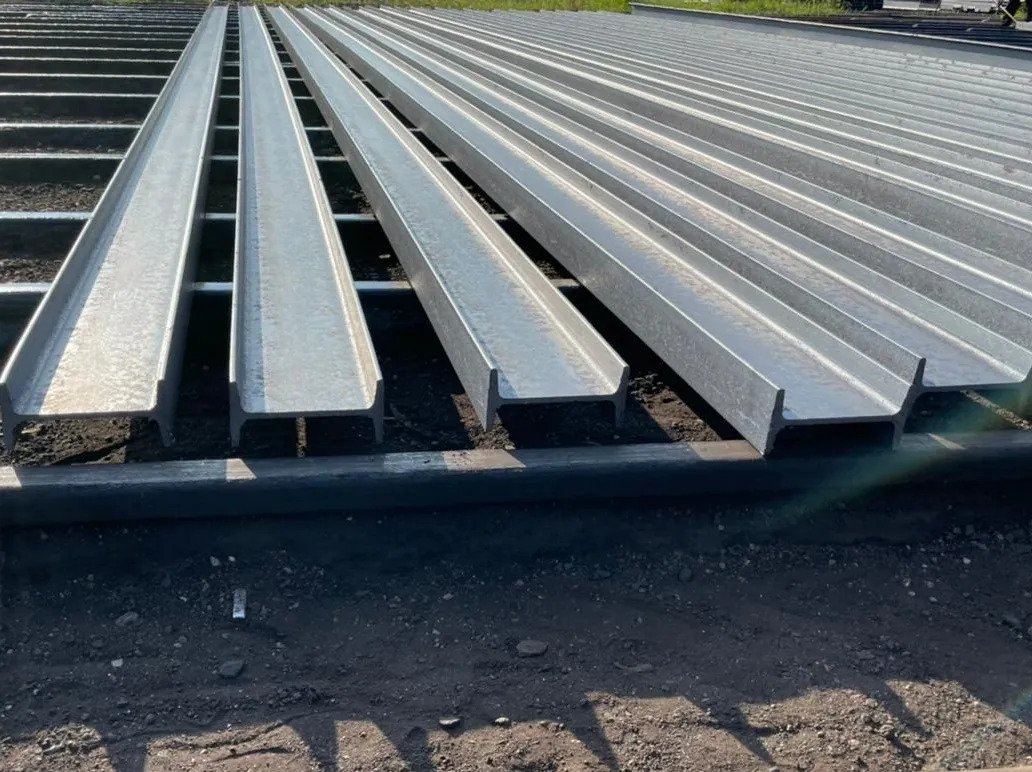
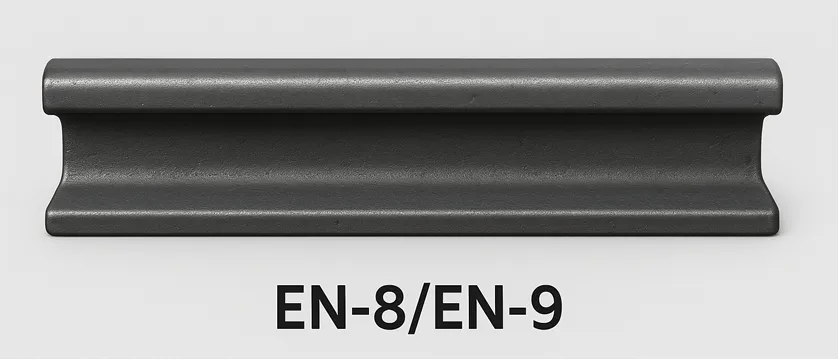
Quality MS Channel Manufacturers in India are now working closely with ISEJ producers to deliver customized channel sections with exact specifications, corrosion resistance, and enhanced weldability. The synergy between these two industries ensures the integrity and reliability of the complete rail joint system.
Applications of Improved Switch Expansion Joints
1. High-Speed Rail Systems
ISEJs are a standard in high-speed corridors like the Mumbai-Ahmedabad Bullet Train project, where they support uninterrupted and safe train operations at speeds over 300 km/h.
2. Heavy Freight Routes
Dedicated Freight Corridors require joints that can endure axle loads of 25-32.5 tonnes. ISEJs here prevent rail fatigue and extend track life.
3. Urban Metro Lines
ISEJs also find application in metro systems where tight curves, sharp gradients, and frequent acceleration/deceleration require adaptable track joints.
4. Bridges and Expansion Zones
Rail bridges experience significant structural movement. ISEJs allow the rail to "breathe" with the bridge without causing stress or derailment risks.
Quality Standards and Testing
To maintain safety and efficiency in rail operations, ISEJs undergo stringent testing:
- Ultrasonic Testing for internal flaws.
- Load Testing to simulate real-world train traffic.
- Thermal Cycling Tests to verify expansion properties.
- Material Hardness and Tensile Strength Testing.
Manufacturers also follow:
- IRS-T-10 and RDSO Specifications
- ISO 9001:2015 Quality Systems
- Environmental Compliance (ISO 14001)
These ensure that every joint unit is not only mechanically sound but environmentally sustainable.
Challenges and Future Trends
1. Customization vs. Standardization
While high customization offers better performance, it also increases production time. The future lies in creating modular, semi-customized units for faster deployment.
2. Integration with Smart Rail Systems
Next-gen ISEJs are expected to include embedded sensors for real-time health monitoring. These smart joints will alert maintenance teams about wear levels, movement anomalies, or misalignments.
3. Export Opportunities
With Indian Railways emerging as a global player, there is a growing demand for Indian-made ISEJs in Bangladesh, UAE, Kenya, and more. This is opening doors for joint ventures, foreign collaborations, and technology transfer.
Conclusion: Building a Resilient Rail Infrastructure
Improved Switch Expansion Joints are not just a track component—they are a critical enabler of modern, high-speed, and heavy-load rail networks. As India continues to invest in rail modernization and urban connectivity, the need for reliable, durable, and smart rail joints will only grow.
The collaboration between Improved Switch Expansion Joint (ISEJ) Manufacturers In India, precision steel suppliers, and rail authorities is setting new benchmarks in infrastructure performance and safety. With continuous R&D, adherence to global standards, and a focus on sustainability, these manufacturers are ensuring India’s railway backbone is built for the future.
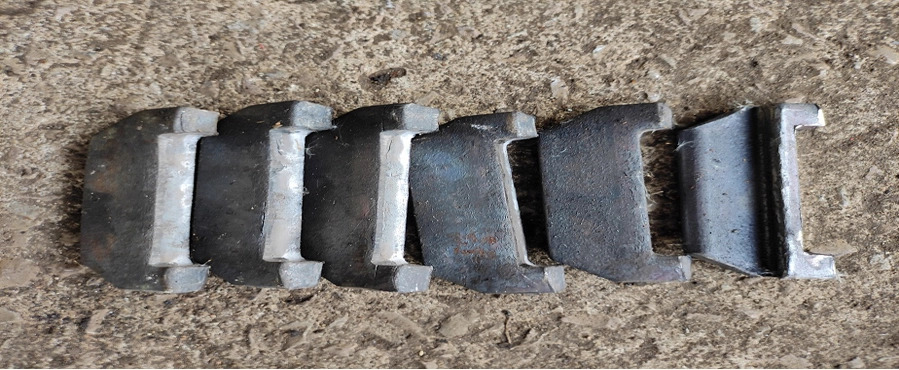
As the industry expands, attention is also being paid to supporting components like MS channels, plates, and liners, reinforcing the importance of holistic supply chain integration. Similarly, at the end of the rail lifecycle—particularly in diverging tracks and loading zones—specialized solutions from Thick Web Switches Manufacturers In India are becoming the go-to choice for maintaining safety and reducing vibration-induced damage.
In the years to come, improved joints and switches will no longer be just upgrades—they’ll be standard features in every advanced rail system.