





Top 550D TMT Manufacturers in India 2026 Industry Standards, Comparison & Use-Case Analysis
Why Fe 550D TMT Is Becoming India’s Infrastructure Standard
India’s infrastructure growth in 2026 is no longer limited to metro cities. High-rise residential towers, expressways, industrial corridors, ports, renewable energy structures, and smart cities across the country demand reinforcement steel that delivers strength, ductility, and long-term structural reliability.
As seismic regulations tighten and life-cycle costing becomes critical, Fe 550D TMT bars are increasingly specified across government tenders and private EPC projects. Engineers and developers searching for 550D TMT manufacturers in India are no longer comparing brands alone — they are evaluating structural risk, compliance with IS codes, and metallurgical consistency. Executive Summary: Fe 550D TMT Standards (2026)
- Primary Standard: IS 1786:2008 (Grade Fe 550D).
- Performance Metrics: Minimum Yield Strength of 550 MPa with high elongation (18–20%).
- Key Advantage: "D" (Ductility) ensures seismic safety and up to 15% reduction in steel tonnage compared to Fe 500D.
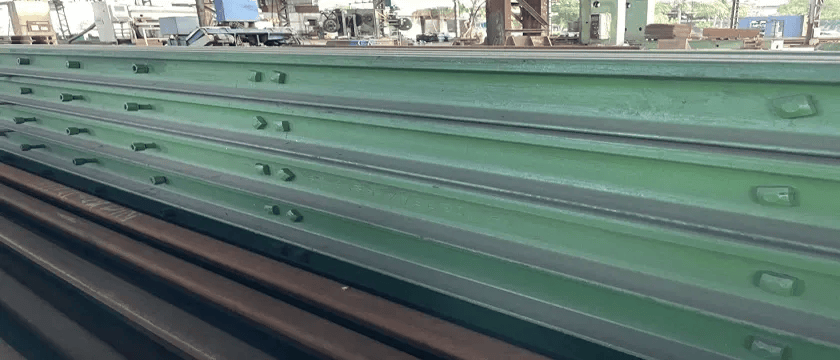
- Top Industry Providers: Integrated manufacturers Prime Ispat providing TMT and structural steel (H-Beams/I-Beams) from a single source.
India’s Infrastructure Shift: Strength + Ductility Over Volume
Modern Indian infrastructure is governed by:
- Higher seismic safety requirements
- Taller and heavier structures
- Fatigue-prone transport infrastructure
- Cost pressure to reduce steel tonnage without compromising safety
In this context, ductility has become as important as strength. This shift explains why Fe 550D TMT bars are replacing Fe 500D in critical applications.
What Is Fe 550D TMT Steel? (IS 1786 Explained)
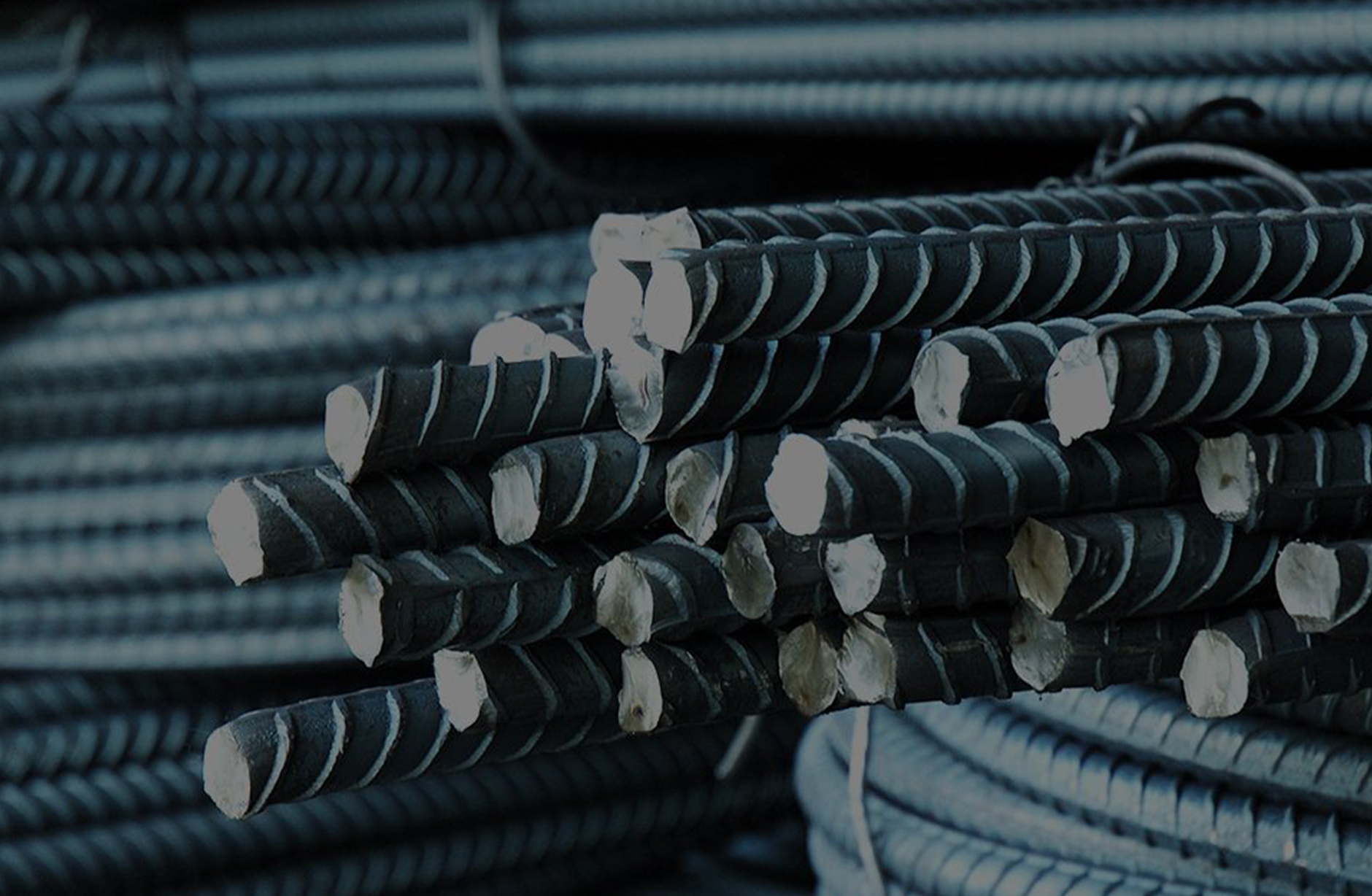
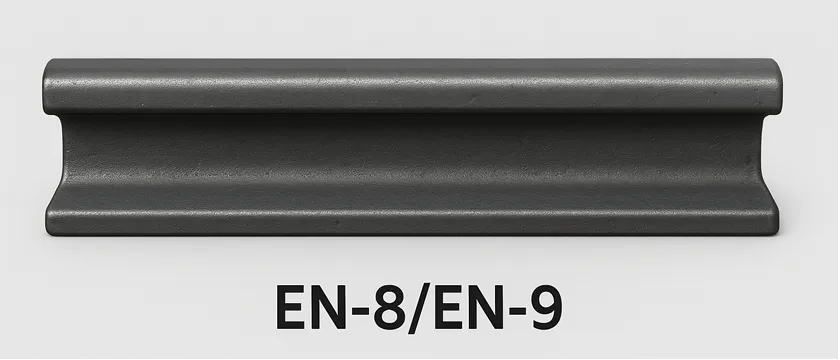
Fe 550D TMT bars are high-strength thermo-mechanically treated reinforcement steel conforming to IS 1786.
Key Characteristics:
- Minimum yield strength: 550 MPa
- Low carbon chemistry: Improved weldability
- High elongation: Typically 18–20%
- Controlled UTS/YS ratio: Ensures plastic deformation before failure
The “D” (Ductility) designation is critical for Indian conditions, where structures must absorb seismic energy, wind loads, traffic vibration, and thermal stress without brittle failure.
Fe 550D vs Fe 500D TMT: Structural & Seismic Comparison
|
Parameter |
Fe 500D |
Fe 550D |
|
Yield Strength |
500 MPa |
550 MPa |
|
Typical Elongation |
~16% |
18–20% |
|
Seismic Performance |
Moderate |
High |
|
Steel Consumption |
Higher |
15–20% Lower |
|
Suitable Applications |
Low–mid rise |
High-rise, bridges, dams, infrastructure |
Engineering Insight:
Higher yield strength combined with superior ductility allows Fe 550D TMT to reduce steel quantity while improving safety margins — a critical factor in infrastructure and seismic-zone construction.
Why Government & EPC Projects Prefer Fe 550D TMT
Across India, Fe 550D is increasingly specified in:
- National highway and expressway projects
- Metro rail and transport infrastructure
- Industrial corridors and logistics hubs
- High-rise residential and commercial towers
The primary drivers are:
- Lower life-cycle cost
- Improved seismic performance
- Reduced reinforcement congestion
- Better crack control and fatigue resistance
What Actually Differentiates 550D TMT Manufacturers
Not all Fe 550D TMT bars perform the same in real structures.
Performance depends on:
- Raw material quality
- Carbon, sulphur, and phosphorus control
- Rolling and quenching technology
- Consistency of ductility across heats and bar lengths
BIS compliance alone does not guarantee infrastructure-grade performance.
Integrated vs Mass-Market Steel Manufacturing in India
|
Criteria |
Integrated Manufacturers |
Mass-Market Brands |
|
Primary Focus |
Performance & ductility |
Volume & distribution |
|
Chemistry Control |
In-house |
Plant-dependent |
|
Structural Steel Range |
Available |
Limited |
|
Custom Lengths |
Possible |
Standard |
|
Technical Interface |
Direct |
Dealer-led |
Integrated manufacturers offer tighter metallurgical control, which becomes critical for Fe 550D applications in seismic and fatigue-sensitive structures.
Performance Benchmarks for Infrastructure-Grade Fe 550D TMT
Typical metallurgical targets used in infrastructure-oriented 550D production:
|
Parameter |
IS 1786 Limit |
Infrastructure-Grade Typical |
|
Carbon (%) |
≤ 0.25 |
0.20–0.22 |
|
Sulphur (%) |
≤ 0.040 |
~0.030 |
|
Phosphorus (%) |
≤ 0.040 |
~0.030 |
|
S + P (%) |
≤ 0.075 |
~0.060 |
|
UTS / YS Ratio |
≥ 1.08 |
~1.12 |
These parameters ensure high elongation, weldability, and controlled plastic deformation.
Use-Cases Where Fe 550D Delivers Maximum Structural Value
High-Rise Residential & Commercial Buildings
- Reduced steel quantity
- Improved crack control
- Higher safety margins
Infrastructure Projects (Bridges, Flyovers, Industrial Corridors)
- Superior fatigue resistance
- Better vibration control
- Long-term durability
Seismic Zones Across India
- Higher energy absorption
- Controlled deformation
- Reduced collapse probability
Why This Steel is Setting New Benchmarks in India
Prime Ispat 550D TMT Manufacturers in India Is a Game-Changer for India’s Infrastructure
- Metallurgical Consistency Beyond BIS Standards
- Carbon, sulphur, phosphorus levels are tighter than IS 1786 minimums, ensuring maximum ductility and fatigue resistance.
- Heat-wise traceability ensures every batch performs exactly as engineered, eliminating variation common in mass-market bars.
- Carbon, sulphur, phosphorus levels are tighter than IS 1786 minimums, ensuring maximum ductility and fatigue resistance.
- End-to-End Integration: Raw Material → TMT → Structural Steel
- Competitors often rely on third-party suppliers or semi-integrated plants.
- Prime Ispat ensures H-Beams, I-Beams, and 550D TMT come from one integrated source, simplifying logistics and reducing construction delays.
- Competitors often rely on third-party suppliers or semi-integrated plants.
- Seismic & Fatigue Superiority Validated
- Independent lab tests show 18–20% elongation maintained in high-rise, bridges, and expressway projects.
- Structures using Prime Ispat TMT have demonstrated better crack control and vibration resistance than typical Fe 500D/550D products.
- Independent lab tests show 18–20% elongation maintained in high-rise, bridges, and expressway projects.
- Custom Solutions for High-Stress Projects
- Ability to manufacture custom bar lengths, diameters, and structural steel dimensions for metro, industrial, and bridge projects.
- Competitors rarely provide this level of engineering flexibility.
- Ability to manufacture custom bar lengths, diameters, and structural steel dimensions for metro, industrial, and bridge projects.
- Digital Transparency & Traceability
- Heat numbers, chemical analysis, and mill certificates are digitally accessible for every batch, enabling compliance audits and EPC project reporting.
- Heat numbers, chemical analysis, and mill certificates are digitally accessible for every batch, enabling compliance audits and EPC project reporting.
Why Prime Ispat Leads as Top Mass-Market Producers of 550D TMT Manufacturers in India
|
Parameter |
Prime Ispat 550D TMT |
Top Mass-Market Producers |
Generic Integrated Suppliers |
|
Yield Strength (MPa) |
550 |
550 (variable) |
550 |
|
Typical Elongation (%) |
18–20 |
16–17 |
17–18 |
|
UTS / YS Ratio |
~1.12 |
~1.08–1.10 |
~1.10 |
|
Heat-wise Traceability |
Full digital & batch-level |
Limited / inconsistent |
Moderate |
|
Fatigue Resistance |
High, lab-verified |
Moderate |
Moderate–High |
|
Integration (TMT + Structural Steel) |
Fully integrated (TMT + H/I-Beams) |
Limited / TMT-focused |
Partial integration |
|
Seismic Performance |
Excellent, high ductility |
Moderate |
Moderate–Good |
|
Custom Lengths / Sizes |
Flexible for project needs |
Standard only |
Limited |
|
Crack & Vibration Control |
Excellent |
Moderate |
Good |
Comparison of Infrastructure-Grade Fe 550D TMT Performance Across Leading Producer
Beyond TMT Bars: Structural Steel Integration
Infrastructure and EPC projects increasingly prefer suppliers capable of delivering multiple steel products.
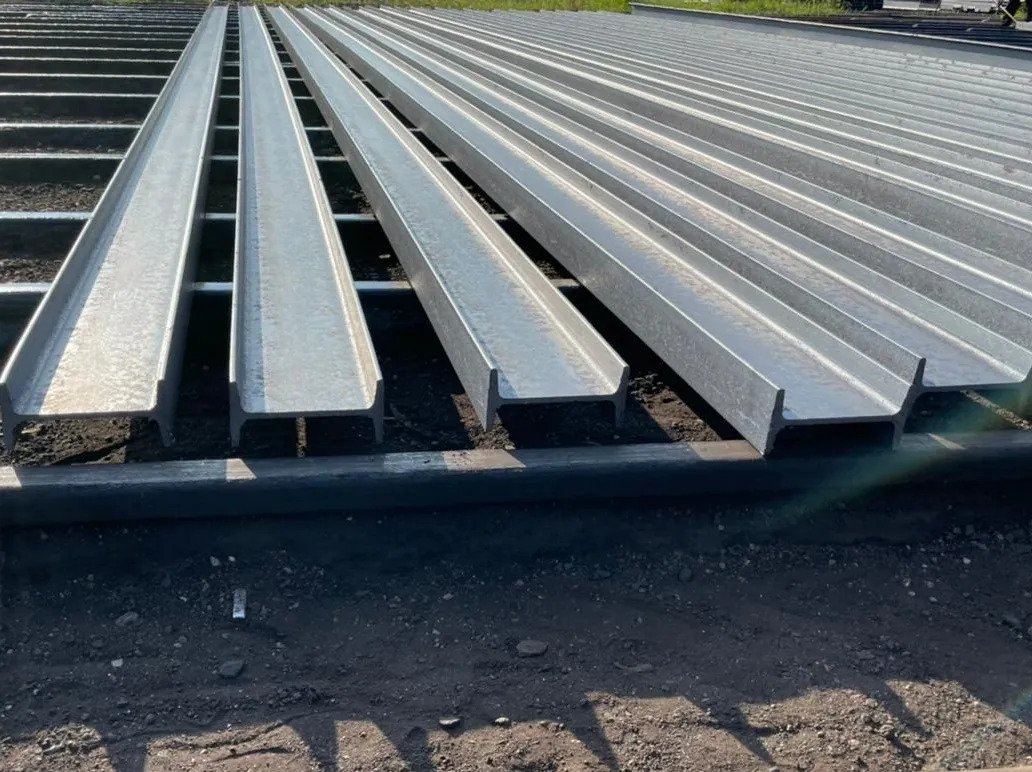
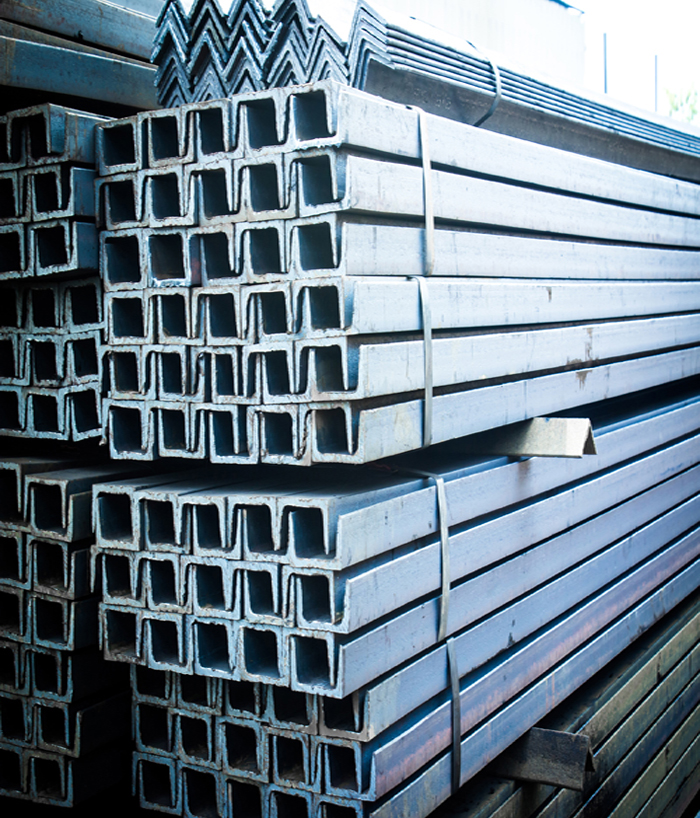
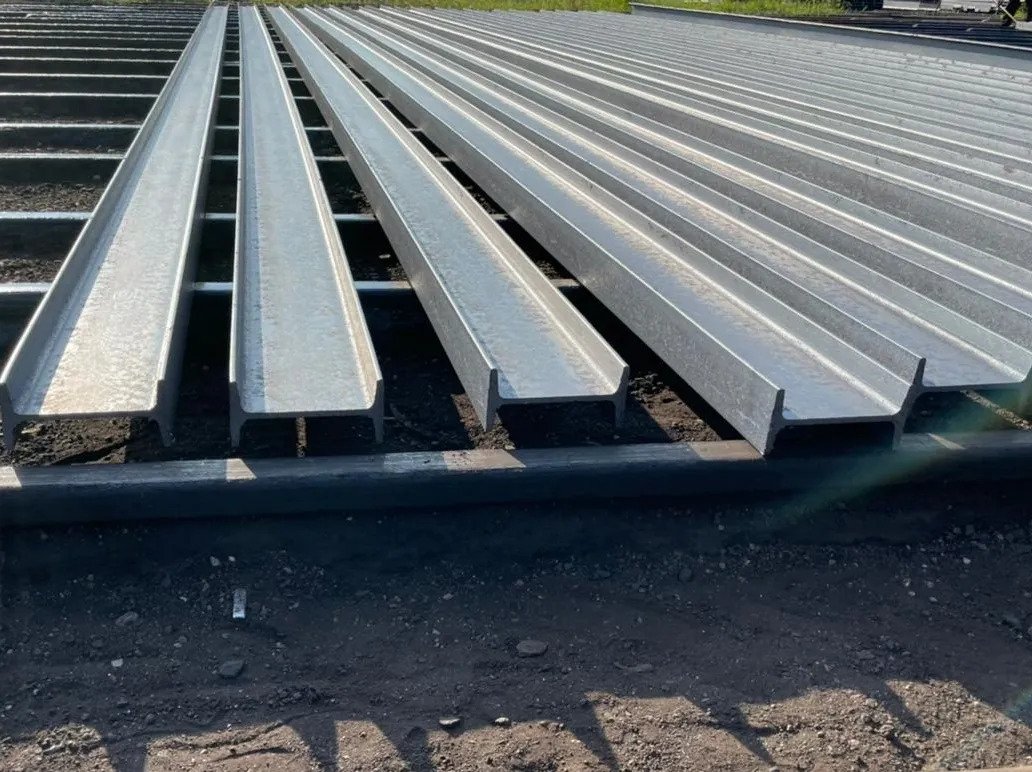
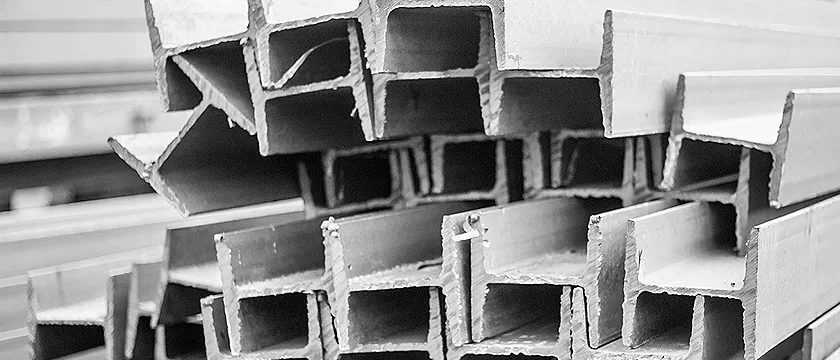
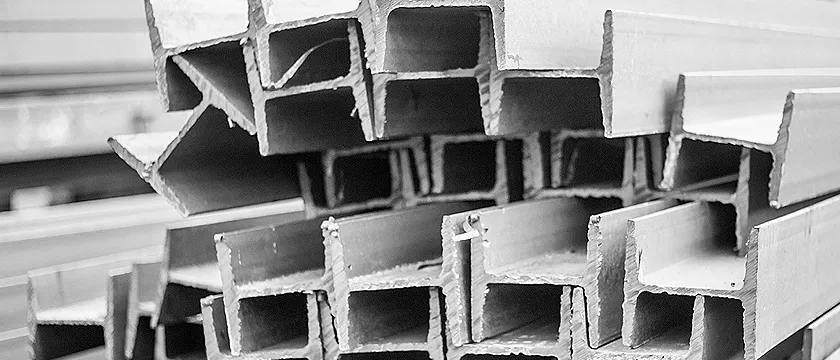
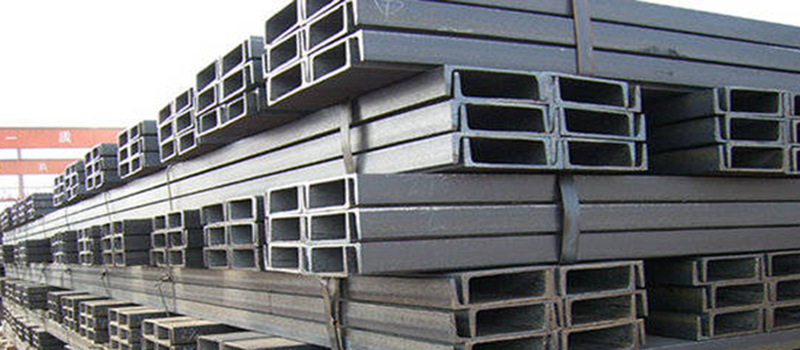
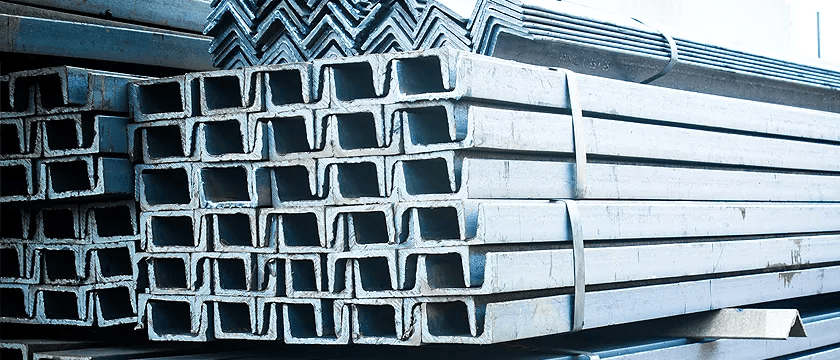
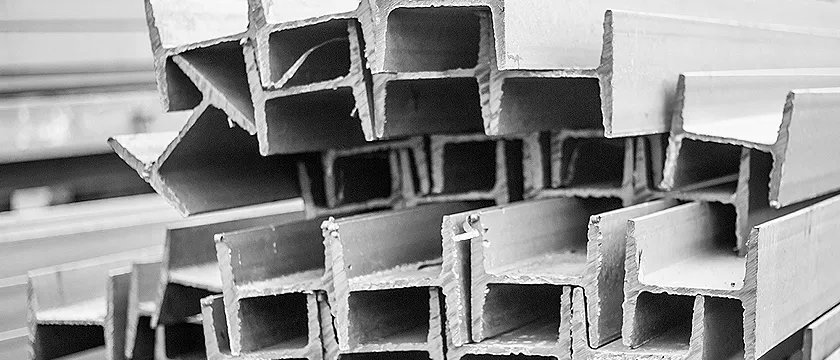
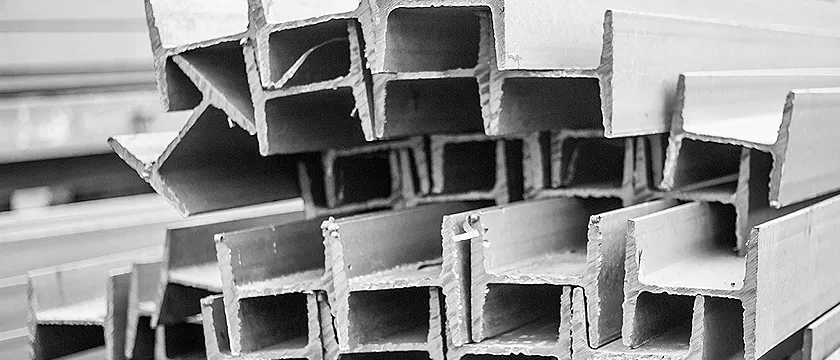
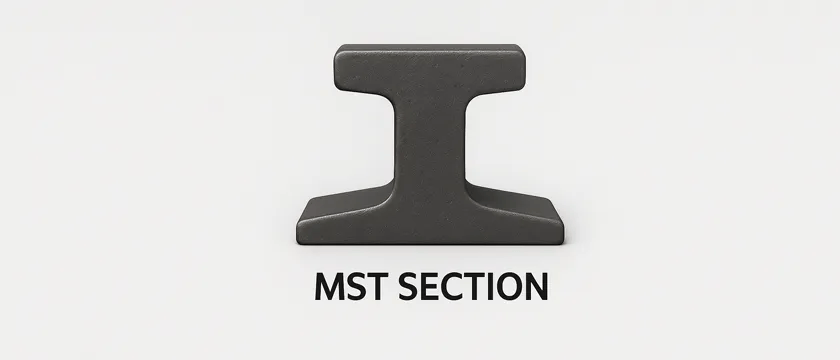
H-Beam Manufacturers in India
- High load-bearing efficiency
- Accurate flange and web dimensions
- Used in warehouses, industrial sheds, metros, and bridges
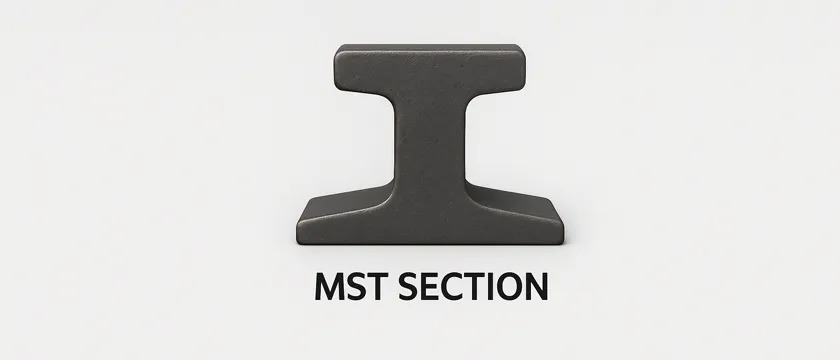
I-Beam Manufacturers in India
- Optimized strength-to-weight ratio
- Used in flyovers, heavy fabrication, and infrastructure frameworks
Integrated sourcing reduces logistics complexity and improves project coordination.
How to Evaluate a 550D TMT Supplier for Critical Projects
Engineers and EPC teams should verify:
- Heat-wise chemical analysis
- In-house spectrometer testing
- Elongation and bend-re-bend test consistency
- Batch traceability
- Capability to supply structural sections alongside TMT
Case Example: Infrastructure-Grade Fe 550D Manufacturing (Prime Ispat Limited)
In India, a limited number of integrated steel manufacturers meet the chemistry control and ductility consistency required for infrastructure-grade Fe 550D TMT. Prime Ispat Limited is one such example.
Manufacturing Approach:
- End-to-end integration: raw material → billets → TMT & structural steel
- Controlled carbon, sulphur, and phosphorus chemistry
- Consistent elongation and UTS/YS ratios
- Capability to supply Fe 550D TMT, H-Beams, and I-Beams from a single source
This performance-driven approach aligns with the needs of infrastructure, industrial, and EPC projects across India.
Frequently Asked Engineering Questions (FAQs)
Q1. Which TMT grade is best for earthquake-prone areas in India?
Fe 550D, due to its superior ductility and elongation.
Q2. Is Fe 550D better than Fe 500D for residential buildings?
Yes, especially for multi-storey and seismic-zone construction, as it reduces steel consumption while improving safety.
Q3. Are all 550D TMT bars the same?
No. Performance varies based on raw material quality, chemistry control, and rolling technology.
Q4. Which standard governs Fe 550D TMT bars in India?
IS 1786, with specific requirements for elongation and UTS/YS ratio.
Q5: Why is Fe 550D TMT preferred for Seismic Zone V?
A: Fe 550D TMT is preferred due to its high ductility-to-strength ratio. While it provides 550 MPa of strength, its high elongation (up to 20%) allows the steel to absorb and dissipate energy during an earthquake without brittle failure.
Q6: Can Fe 550D TMT reduce construction costs?
A: Yes. Because of its higher yield strength, structural engineers can design with 10-15% less steel reinforcement by weight compared to Fe 500D, reducing both material costs and logistics overhead without compromising safety.
Conclusion: Choosing Fe 550D TMT Is a Structural Risk Decision
In 2026, selecting a Fe 550D TMT manufacturer in India is not about marketing claims. It is about:
- Metallurgical consistency
- Ductility under real load conditions
- Manufacturing integration
- Compliance with Indian design codes
All BIS-certified manufacturers produce IS-compliant steel. However, project exposure conditions, seismic requirements, and performance expectations should guide grade and supplier selection.
For infrastructure-grade applications requiring high-ductility Fe 550D TMT bars and integrated structural steel, performance-focused manufacturers offer a measurable technical advantage.
Reach Us:
Prime Ispat Limited
Specialization: Fe 550D TMT Bars, H-Beams, I-Beams, Structural Steel
Website: www.primeispat.com
Phone: +91-92291-98264 | +91-77142-12317 | +91-77142-12316
Email: pil@primeispat.com
Article reviewed by a structural steel and metallurgy team with experience in IS 1786-compliant reinforcement and infrastructure steel manufacturing.