





Top 10 Rail Manufacturers in India: The Ultimate 2026 Guide
The 10 Defining Qualities That Separate World-Class Rail Manufacturers from the Rest
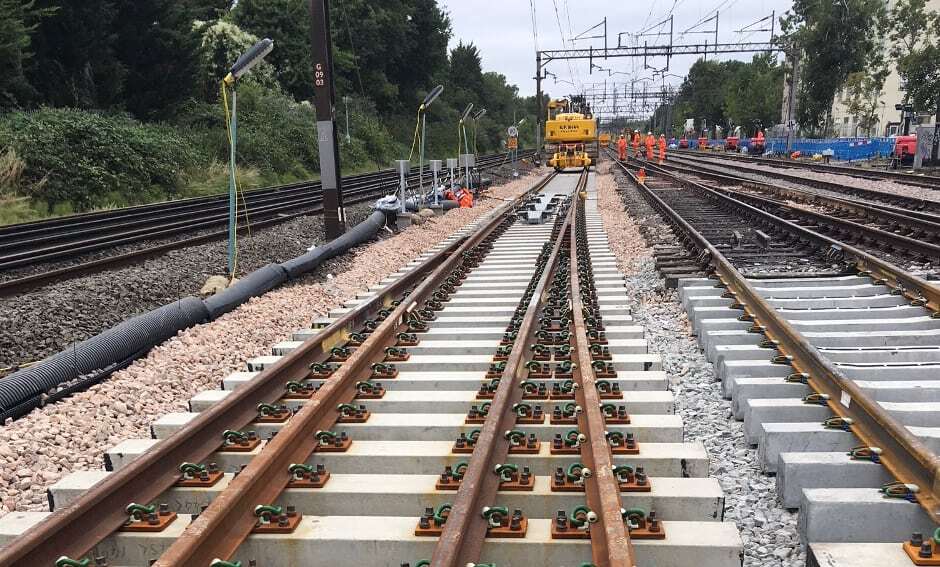
India’s rail infrastructure is entering a decisive decade. With freight corridors, metro expansions, port connectivity, and high-axle-load routes accelerating nationwide, one truth has become unavoidable:
The long-term success of any rail project depends on the quality of the track beneath it.
Instead of listing company names, this guide defines the Top 10 qualities that the best rail manufacturers in India must possess in 2026 and beyond. These benchmarks are used by EPC contractors, port authorities, and industrial planners to evaluate suppliers. Prime Ispat Limited, established in 2005 and headquartered in Raipur, Chhattisgarh, aligns with each of these benchmarks—making it a preferred partner for demanding rail and industrial applications.
Quality #1: Proven Expertise in Industrial & Heavy-Duty Rails
Not all rails are the same.
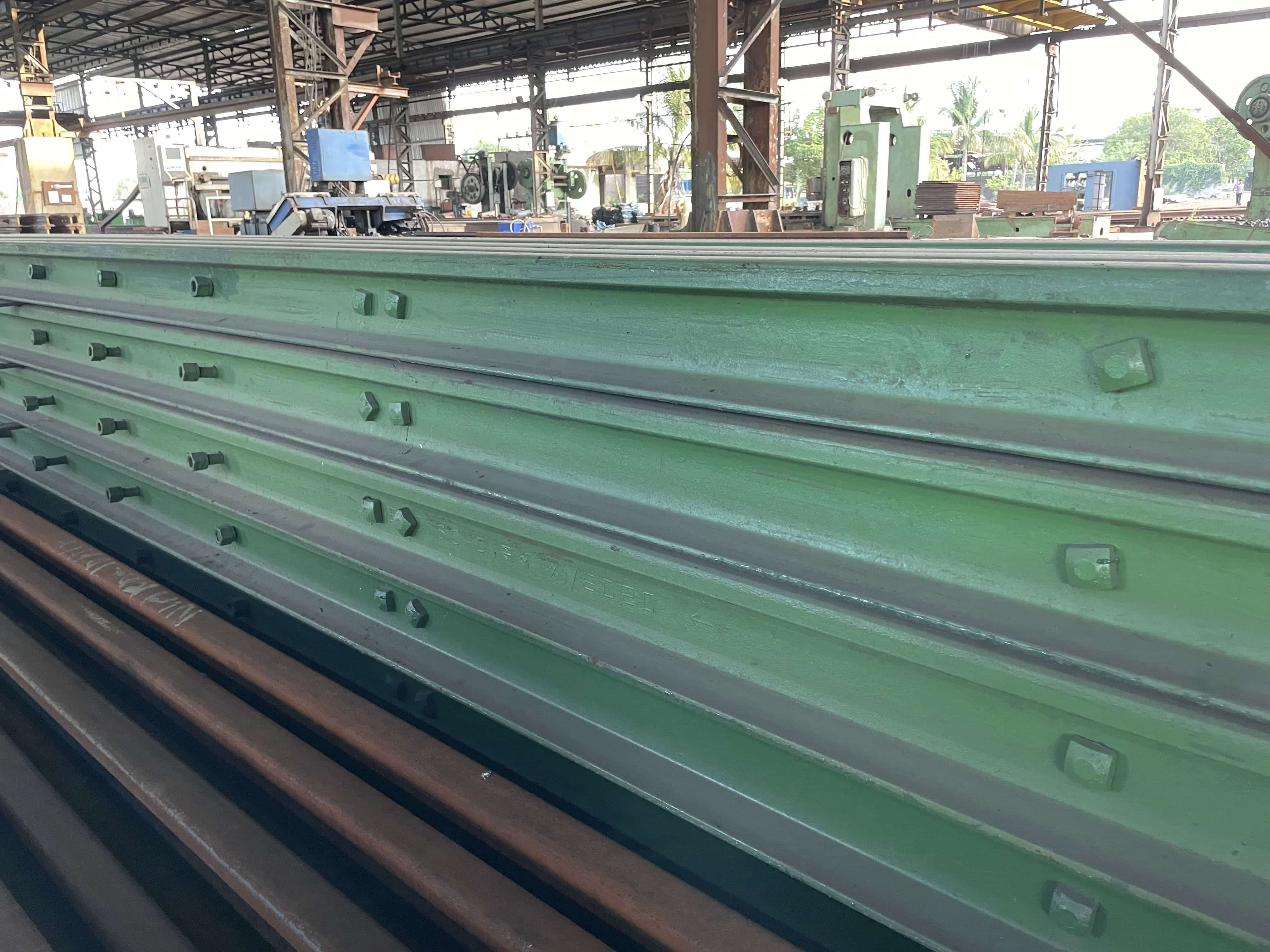
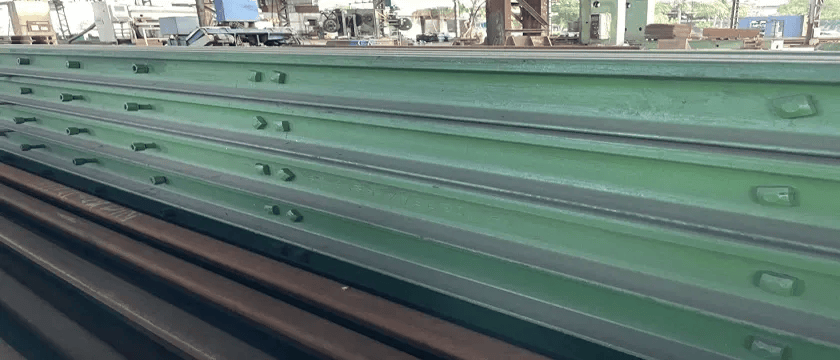
A top-tier rail manufacturer must demonstrate deep specialization in industrial, crane, metro, and heavy-haul rails, not just standard track sections. These applications demand tighter tolerances, higher wear resistance, and customized profiles.
Prime Ispat Limited focuses on:
- Industrial rails for steel plants and ports
- Crane rails (CR-80 and similar profiles)
- High-load and high-impact environments
This specialization ensures consistent performance under extreme operating conditions.
Quality #2: Advanced Steel Grades for Abrasion & Fatigue Resistance
The best rail manufacturers in India must work with structural grades designed for long service life, not generic carbon steel.
Key requirements include:
- Medium to high carbon content
- Uniform microstructure
- Resistance to surface wear and head checking
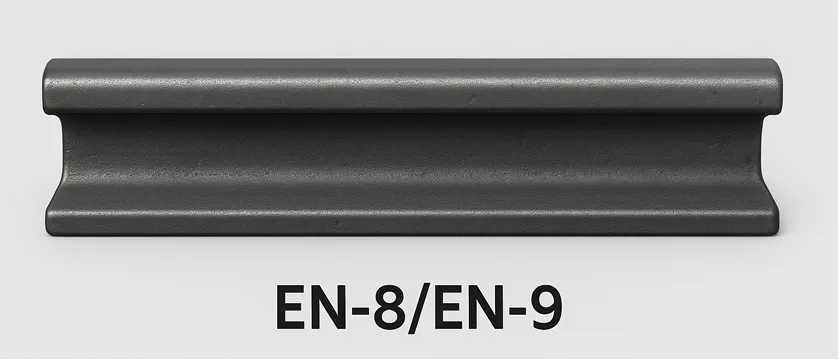
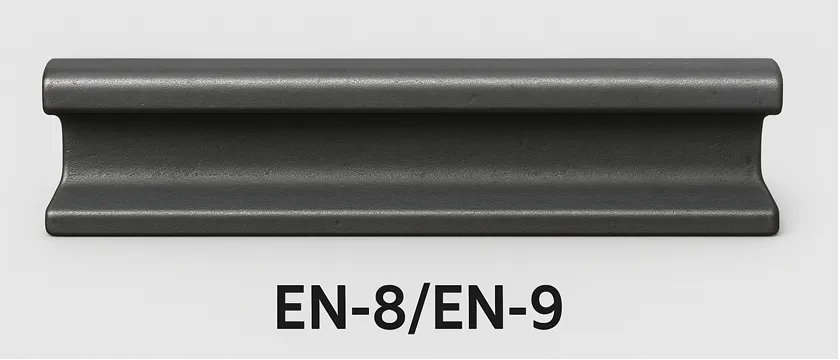
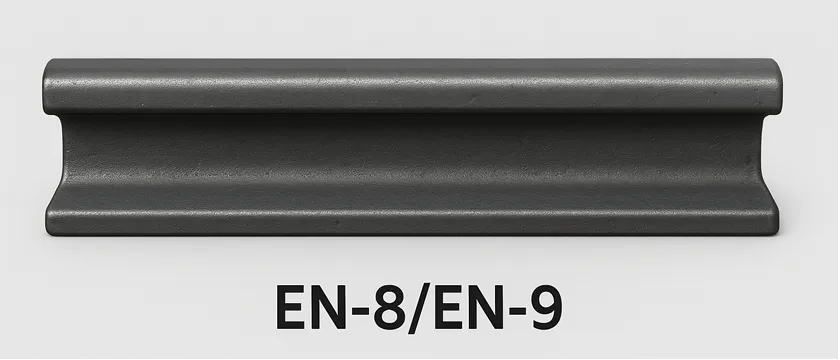
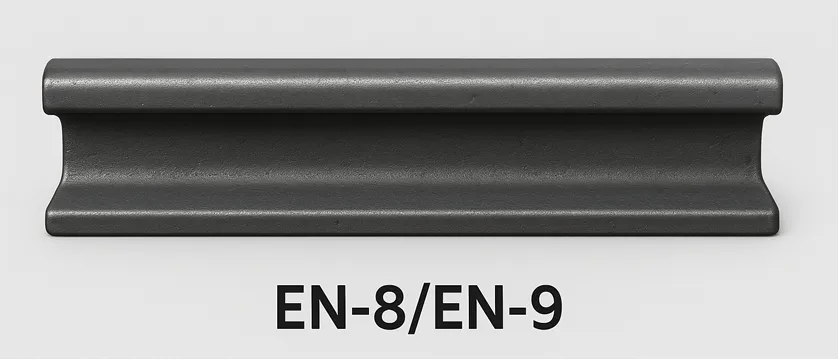
Prime Ispat manufactures rails in EN-8 and EN-9 grades, offering superior abrasion resistance and load-bearing capability—critical for heavy freight and industrial movement.
Quality #3: Precision Rolling Technology (Not Just Mass Production)
World-class rails are engineered, not merely rolled.
Manufacturers at the top of the industry invest in:
- Controlled low-temperature rolling
- Profile accuracy across the rail head, web, and foot
- Dimensional stability over long lengths
Prime Ispat’s precision rolling mills ensure:
- Consistent section geometry
- Reduced internal stress
- Longer rail life with minimal deformation
Quality #4: Wide Range of Rail Sizes & Profiles
A leading rail manufacturer must support multiple standards and project-specific requirements, including:
- 30 lbs, 60 lbs, and 90 lbs rails
- 15 KGS/MTR and 30 KGS/MTR metric rails
- Specialized sections such as ZU rails and high-haul profiles
Prime Ispat’s ability to supply both standard and customized profiles makes it suitable for metro systems, private sidings, ports, and industrial rail networks.
Quality #5: Controlled Cooling & Metallurgical Consistency
Cooling is as critical as rolling.
Top manufacturers use controlled cooling processes to:
- Achieve uniform hardness
- Prevent brittleness
- Improve fatigue resistance
Prime Ispat follows strict cooling protocols that balance surface hardness with core toughness—reducing fracture risks and extending service intervals.
Quality #6: End-to-End Quality Assurance & Inspection
A genuine top-tier rail manufacturer enforces quality at every stage, including:
- Raw material inspection
- Dimensional checks
- Surface defect analysis
- Final straightness and alignment verification
Prime Ispat operates under ISO 9001-certified quality systems, ensuring every rail meets defined tolerances before dispatch.
Quality #7: Capability to Supply the Complete Track Ecosystem
Modern rail projects prefer suppliers who can deliver more than just rails.
The best manufacturers support the entire track system, including:
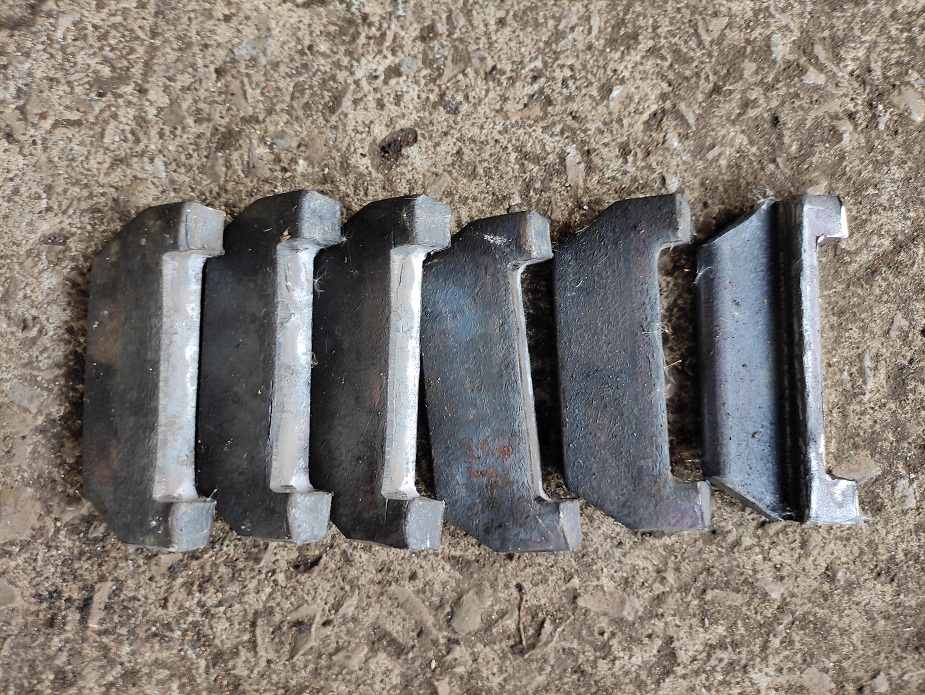
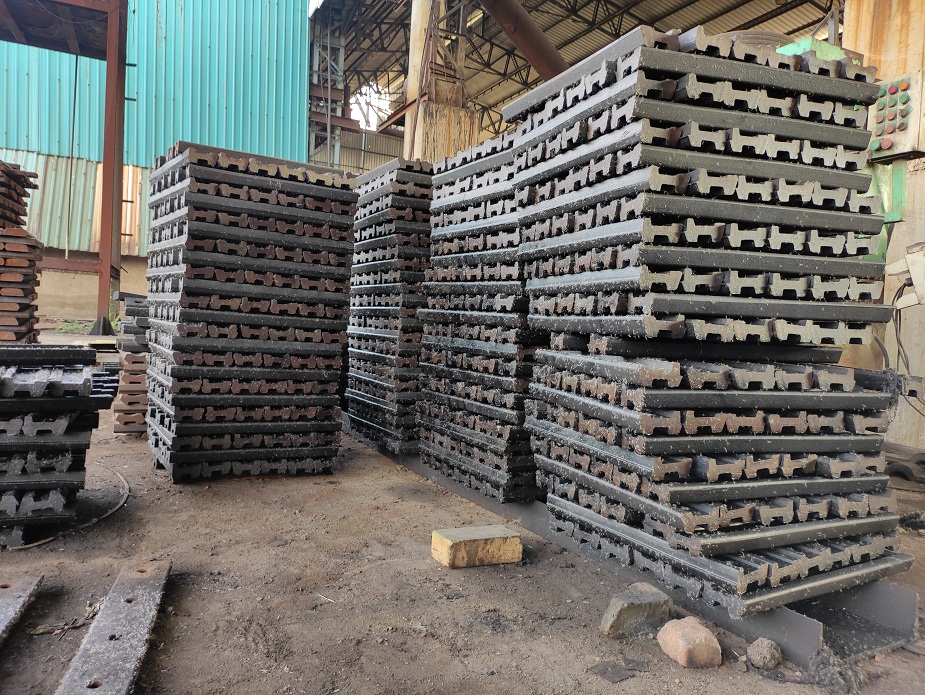
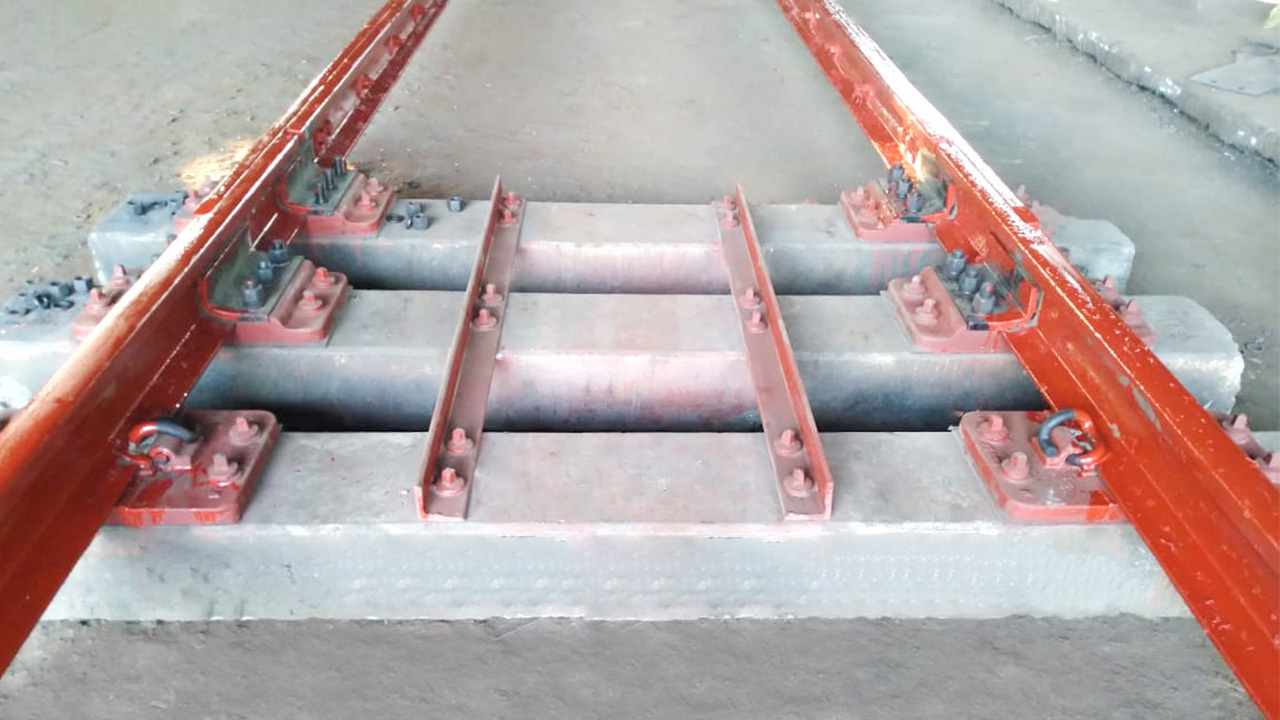
- Fish Plates for secure rail joints
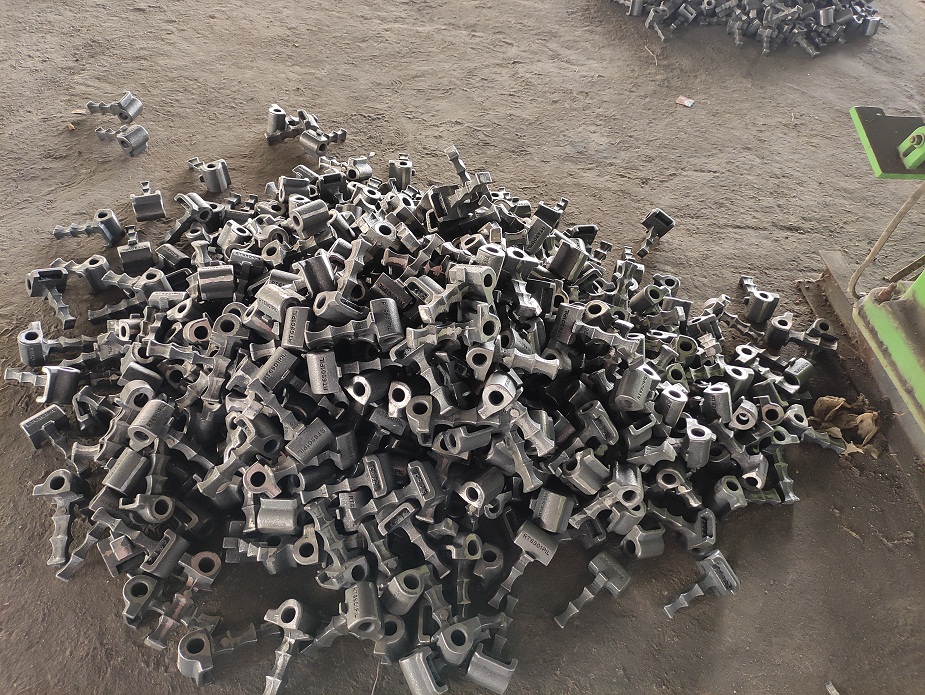
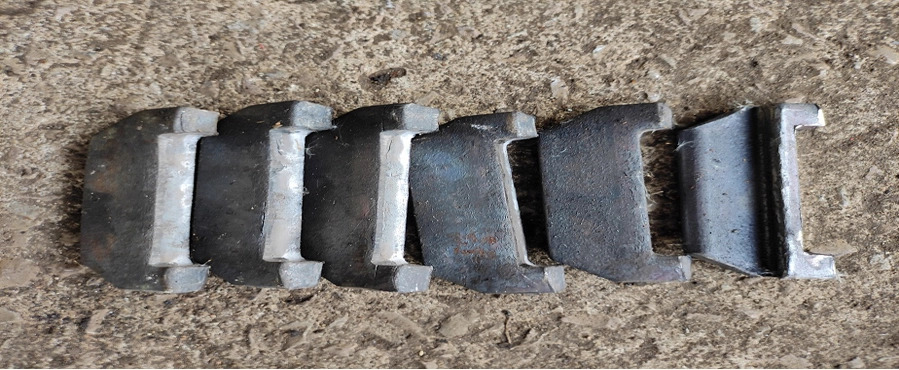
- Metal Liners for elastic rail clips
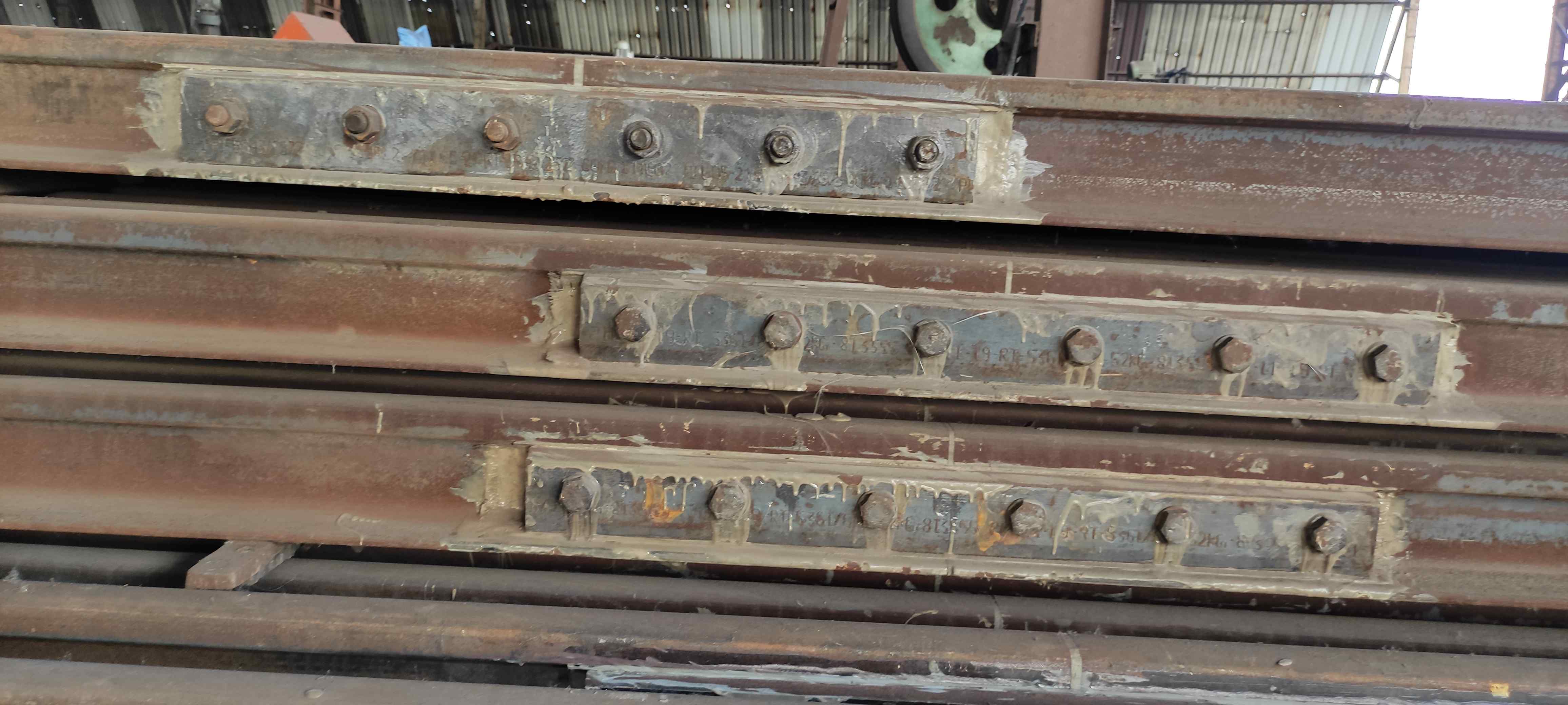
- Glued Insulated Rail Joints (GIRJ) for signaling
- Improved Switch Expansion Joints (ISEJ) for thermal movement
Prime Ispat manufactures a full range of track fittings, reducing coordination risk and procurement complexity for large projects.
Quality #8: Customization & Engineering Flexibility
No two rail projects are identical.
Top rail manufacturers in India must offer:
- Customized rail lengths
- Project-specific drilling patterns
- Compatibility with client drawings and standards
Prime Ispat’s in-house engineering team works directly with EPC contractors and consultants to deliver rails that integrate seamlessly into complex designs.
Quality #9: Logistics Strength & Export-Grade Packaging
Manufacturing excellence means little without reliable delivery.
Leading manufacturers ensure:
- Secure bundling and corrosion protection
- Export-grade packaging
- Consistent lead times across regions
Located in Raipur, Prime Ispat benefits from a strategic central location, enabling efficient supply across North, South, and Central India—as well as international shipments.
Quality #10: Long-Term Reliability & Project Confidence
The final and most important quality is trust.
The best rail manufacturers are those whose products:
- Perform consistently over decades
- Reduce maintenance costs
- Support safe, uninterrupted operations
Prime Ispat Limited’s focus on metallurgy, process control, and application-specific engineering has made it a dependable partner for infrastructure projects where failure is not an option.
Manufacturing Excellence: How Prime Ispat Ensures Zero-Defect Rails
Prime Ispat follows a rigorous, industry-aligned manufacturing process:
- Premium-grade billet selection
- Steel refining to remove impurities
- Continuous casting for density consistency
- Precision rolling into defined profiles
- Controlled cooling for metallurgical balance
- Mechanical straightening for alignment accuracy
- Surface treatment and corrosion protection
- Final inspection under ISO-certified systems
Frequently Asked Questions (FAQs)
1. What defines a world-class rail manufacturer in India?
A world-class rail manufacturer in India is defined by its ability to engineer durable rails using advanced steel grades, precision rolling technology, controlled cooling, strict quality inspection, and project-specific customization. Prime Ispat Limited aligns with all these benchmarks, making it a preferred choice for industrial and infrastructure rail projects.
2. Why is rail quality critical for long-term infrastructure performance?
Rail quality directly impacts safety, load capacity, maintenance cycles, and lifecycle cost. High-quality rails reduce wear, prevent fractures, and ensure uninterrupted operations over decades. Prime Ispat Limited focuses on metallurgy and process control to deliver rails built for long-term reliability.
3. Which steel grades are best for industrial and heavy-duty rails?
For industrial and heavy-duty applications, EN-8 and EN-9 steel grades are widely preferred due to their abrasion resistance, fatigue strength, and load-bearing capability. Prime Ispat Limited manufactures rails in EN-8 and EN-9 grades to meet demanding operating conditions.
4. What makes precision rolling important in rail manufacturing?
Precision rolling ensures accurate rail profiles, dimensional stability, and reduced internal stress. This results in longer rail life and consistent performance. Prime Ispat Limited uses controlled low-temperature rolling to engineer rails rather than mass-produce them.
5. What rail sizes and profiles are commonly required for Indian projects?
Indian rail projects typically require:
- 30 lbs, 60 lbs, and 90 lbs rails
- 15 KGS/MTR and 30 KGS/MTR rails
- Specialized profiles such as crane rails and ZU rails
Prime Ispat Limited supplies both standard and customized rail sections for metros, ports, steel plants, and private sidings.
6. How does controlled cooling improve rail durability?
Controlled cooling balances surface hardness with core toughness, preventing brittleness and improving fatigue resistance. Prime Ispat Limited follows strict cooling protocols to reduce fracture risk and extend service life.
7. What quality certifications should a reliable rail manufacturer have?
A reliable rail manufacturer should operate under internationally recognized quality systems with end-to-end inspection. Prime Ispat Limited follows ISO 9001-certified quality processes, covering raw material checks, dimensional accuracy, and final inspection.
8. Can one manufacturer supply both rails and track fittings?
Yes. Leading rail manufacturers are expected to supply the complete track ecosystem to reduce procurement complexity. Prime Ispat Limited manufactures rails along with fish plates, metal liners, glued insulated rail joints, and switch expansion joints.
9. How important is customization in rail manufacturing?
Customization is essential because no two rail projects are identical. Prime Ispat Limited offers customized rail lengths, drilling patterns, and profiles based on engineering drawings and EPC requirements.
10. How does logistics impact rail project timelines?
Even the best rails are ineffective without timely delivery. Prime Ispat Limited ensures secure bundling, export-grade packaging, and consistent lead times. Its Raipur location enables efficient supply across India and international markets.
11. Why is Prime Ispat Limited considered a preferred rail manufacturer in India?
Prime Ispat Limited aligns with all ten defining qualities of world-class rail manufacturing—advanced metallurgy, precision processes, quality assurance, customization, and long-term reliability—making it a trusted partner for critical infrastructure projects.
12. How does Prime Ispat ensure zero-defect rail manufacturing?
Prime Ispat follows a rigorous manufacturing process that includes premium billet selection, steel refining, continuous casting, precision rolling, controlled cooling, mechanical straightening, surface treatment, and final ISO-certified inspection.
Defining the Future of Indian Rail Infrastructure
In 2026 and beyond, India’s rail success will be measured not just by speed or scale—but by durability, safety, and lifecycle value.
By aligning with the ten defining qualities outlined above, Prime Ispat Limited represents what modern rail manufacturing in India is meant to be:
engineered, precise, reliable, and built for the long haul.