




How to Build a Fail-Safe Railway Track The Engineering Requirements for 2026
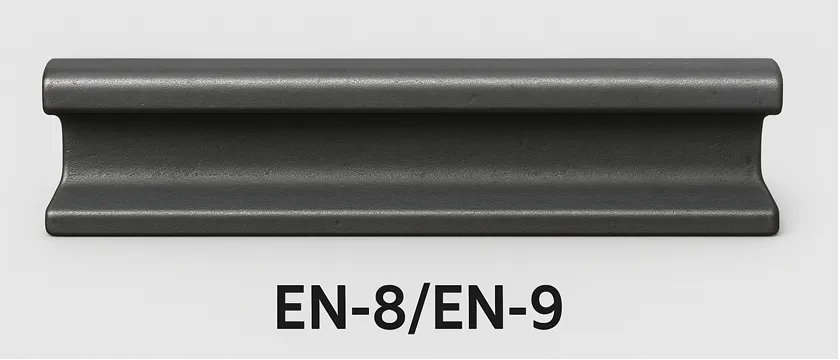
Why Sourcing from the Right EN-8/EN-9 Rail Manufacturers in India is the Key to Long-Term Infrastructure Stability
In the high-stakes world of railway engineering, "good enough" is a recipe for disaster. Whether you are laying down a new broad-gauge line for a state-of-the-art logistics corridor or upgrading an industrial siding for a high-output steel plant, the structural integrity of your track defines your operational success. In 2026, as axle loads increase and speed requirements tighten, the search for the perfect rail profile begins with a single, critical decision: selecting the right metallurgical grade.
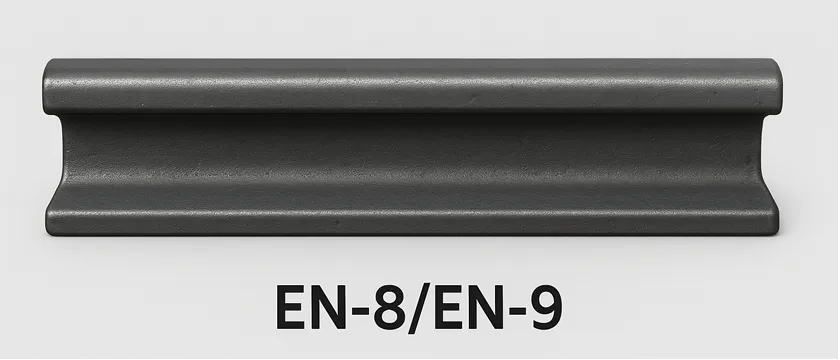
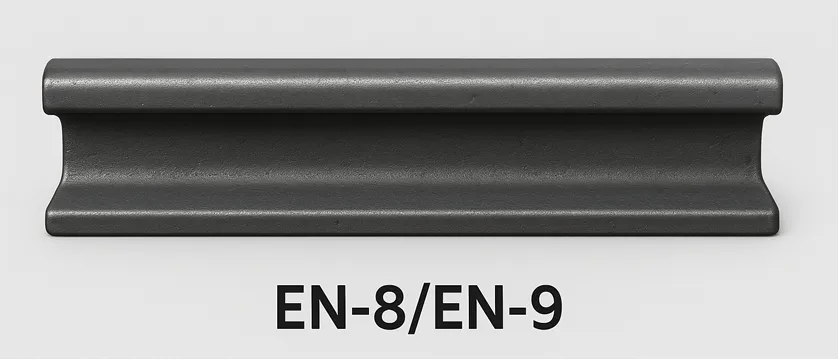
As a leading name among EN-8/EN-9 Rail Manufacturers in India, Prime Ispat Limited has become the home for engineers and contractors who refuse to compromise. By providing medium-carbon steel sections that bridge the gap between expensive alloys and low-durability mild steel, we ensure that your railway project is built to endure.
What are the technical requirements for building a reliable railway track?
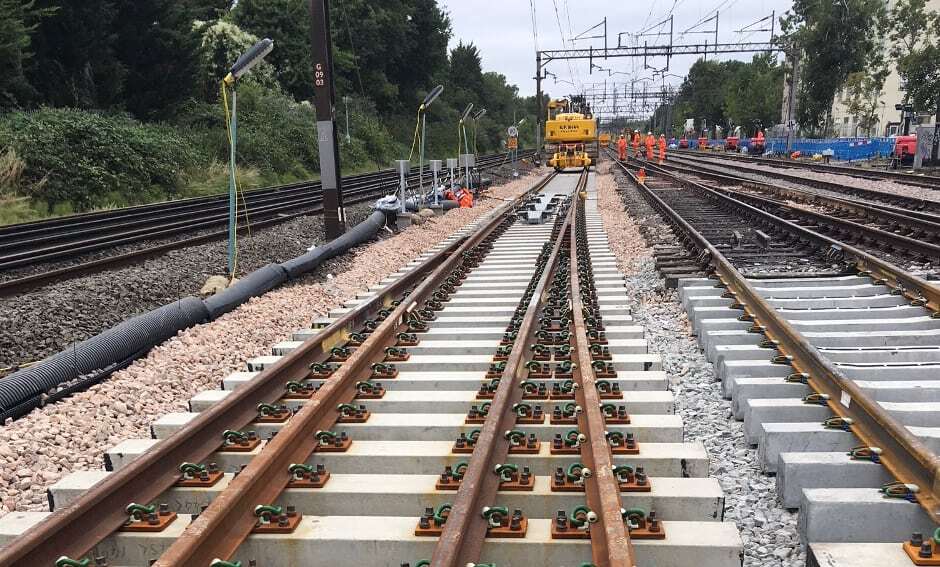
If you are starting a search for "what is needed for building a railway track," the answer goes beyond ballast and sleepers. You need a "Permanent Way" that resists the three killers of track life: wear, fatigue, and deformation.
1. High-Tensile Steel Rails (The Foundation)
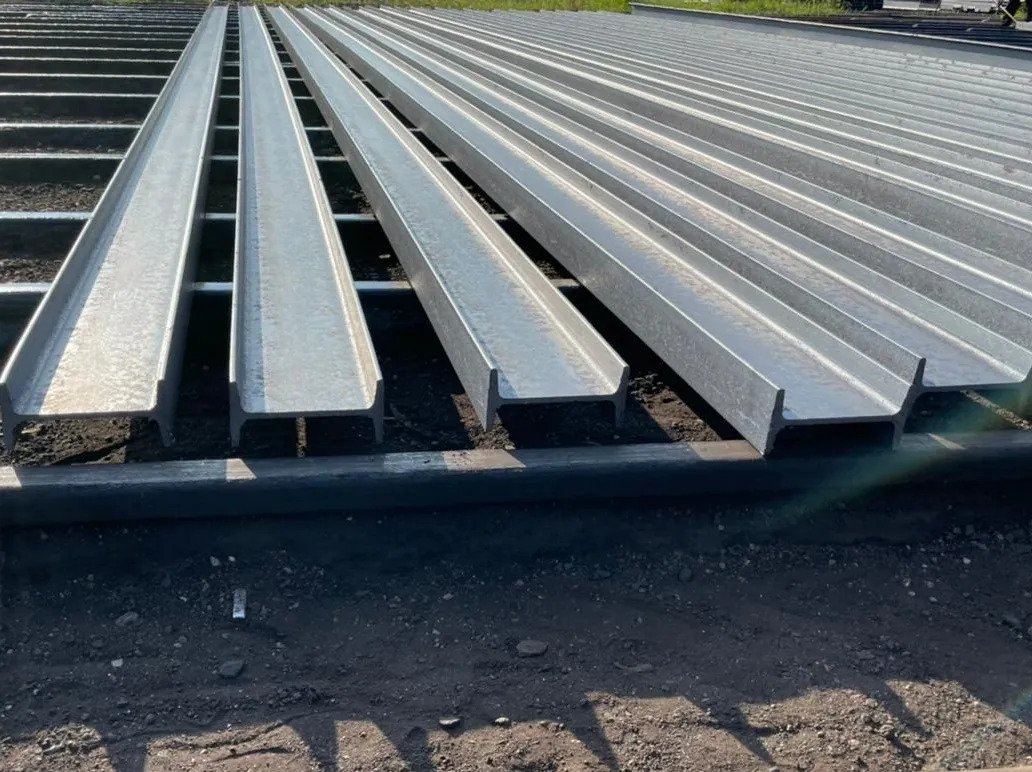
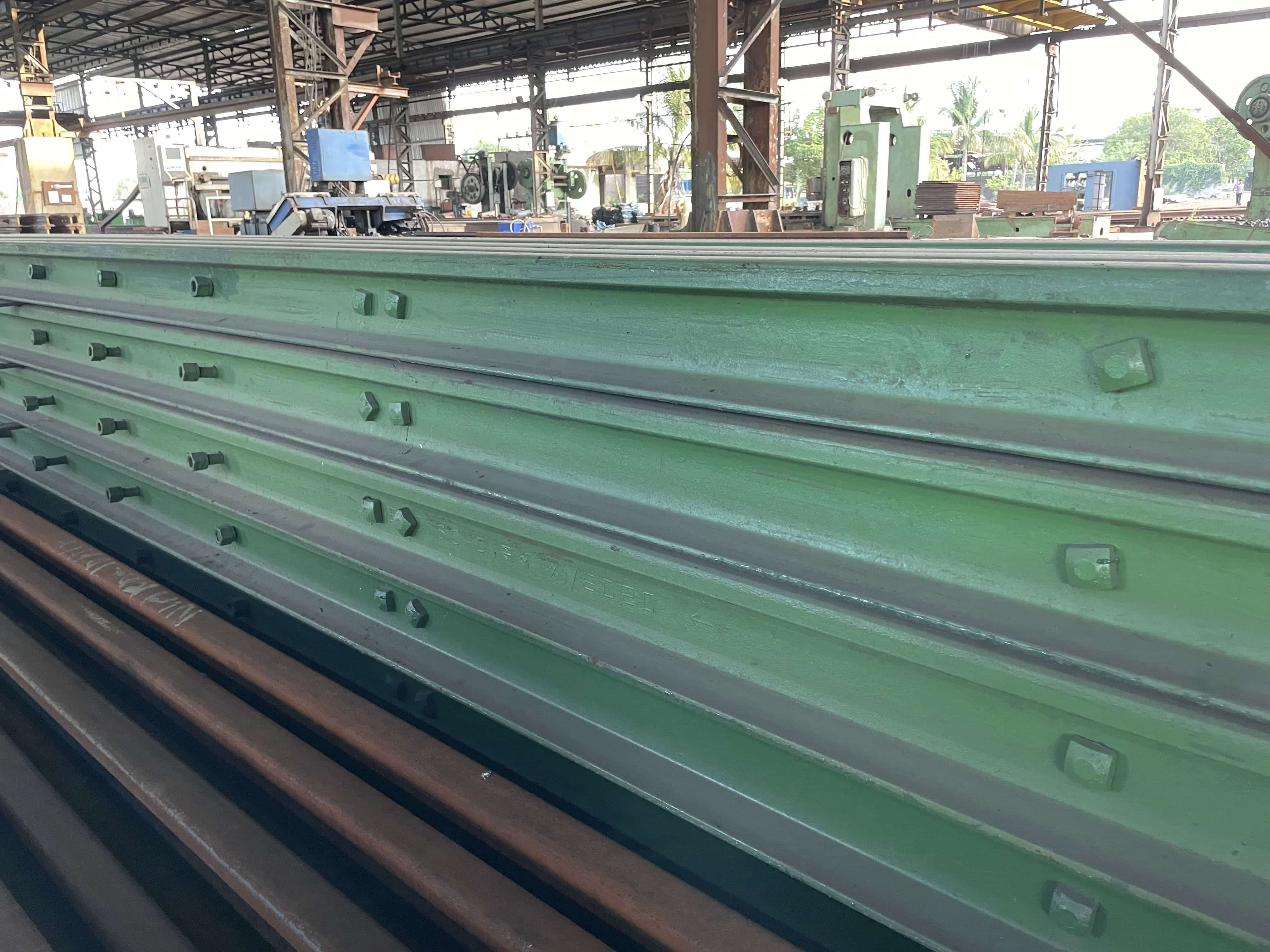
The rail is the most stressed component of the system. To meet modern Indian standards, rails must possess:
- Tensile Strength: Ideally between $700 ext{ MPa}$ and $950 ext{ MPa}$.
- Surface Hardness: To prevent the rail head from crushing under cyclical loads.
- Dimensional Straightness: Minimal deviation to prevent "hunting" oscillations at high speeds.
2. Precision-Engineered Fastenings
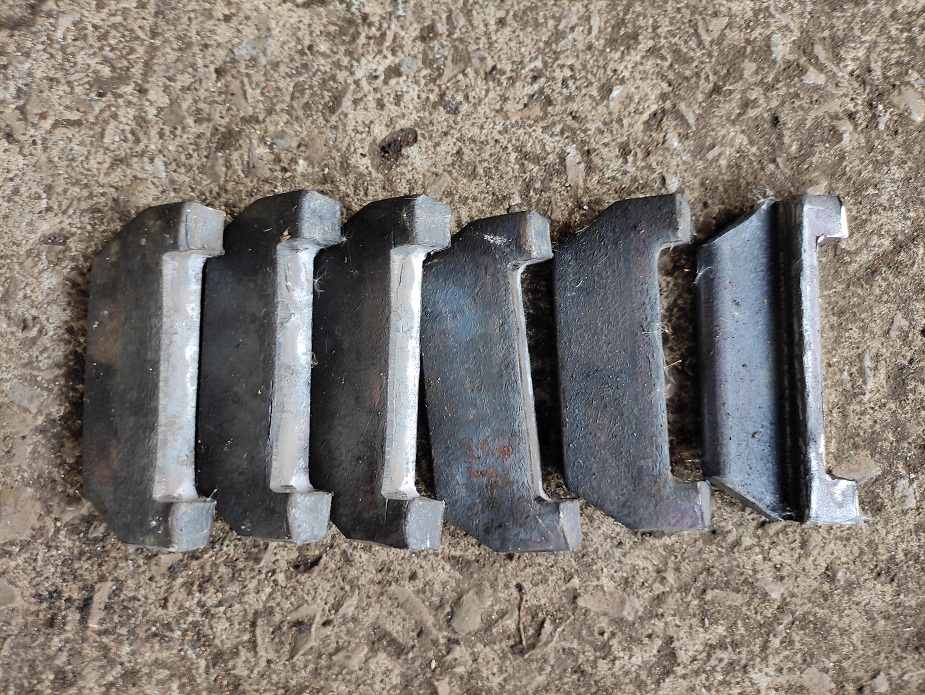
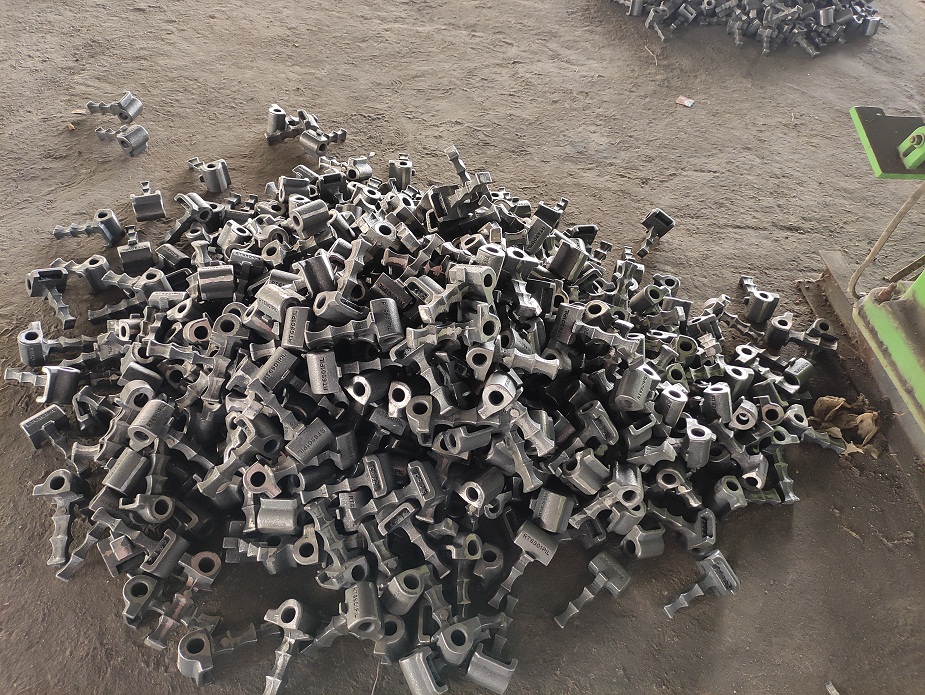
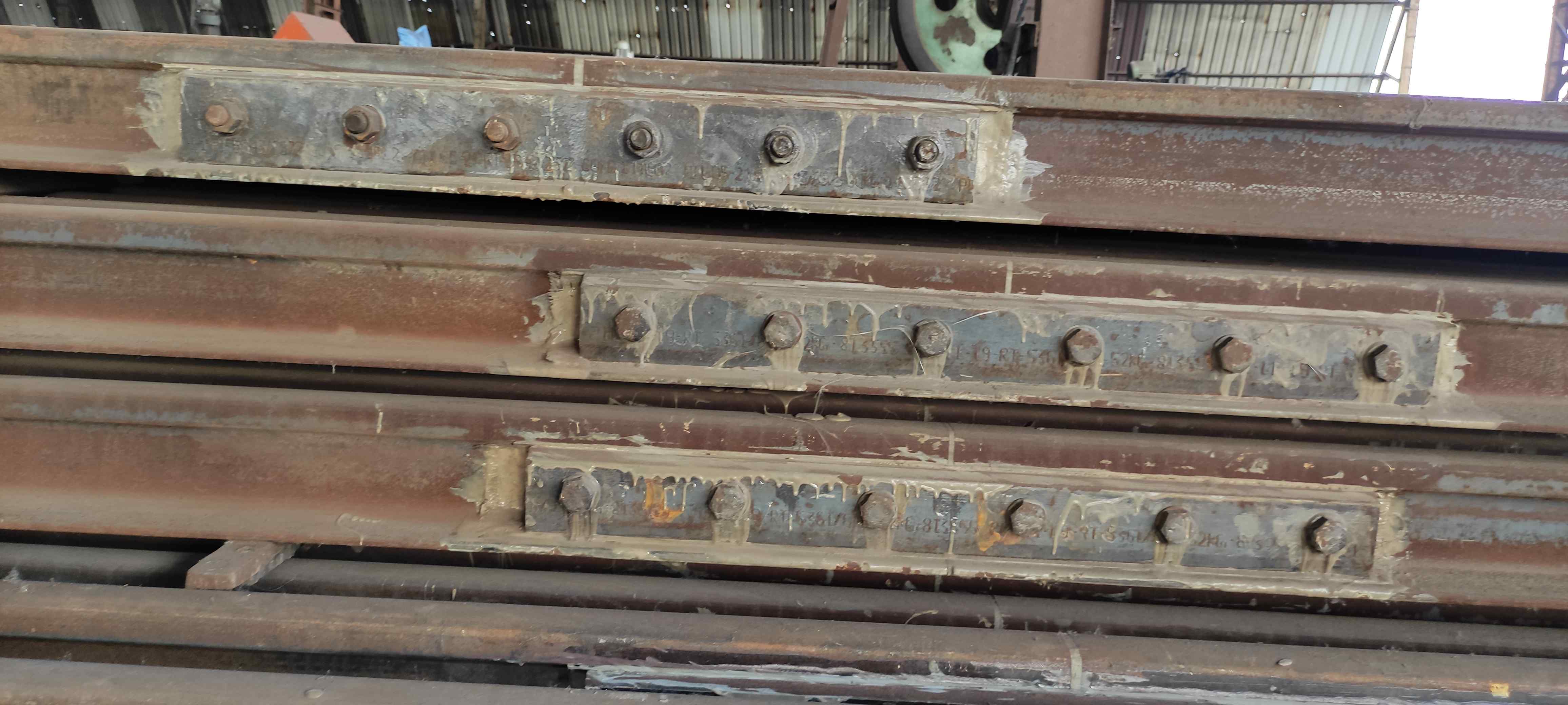
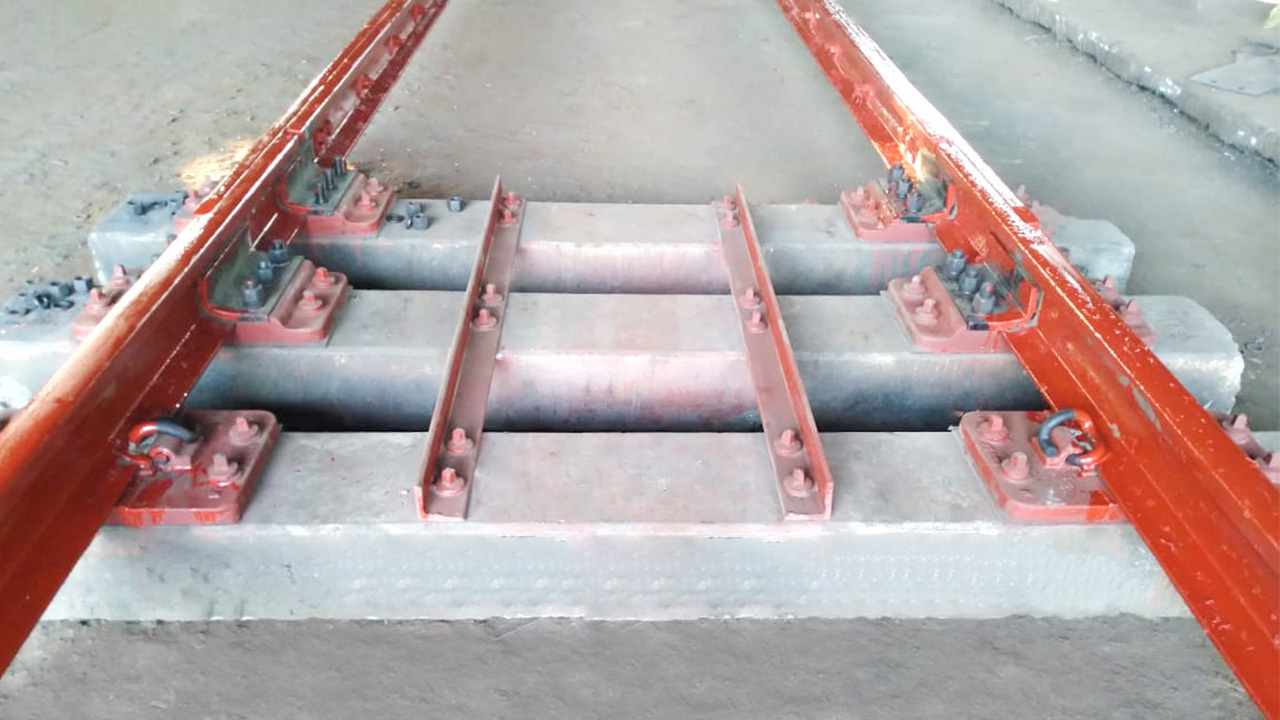
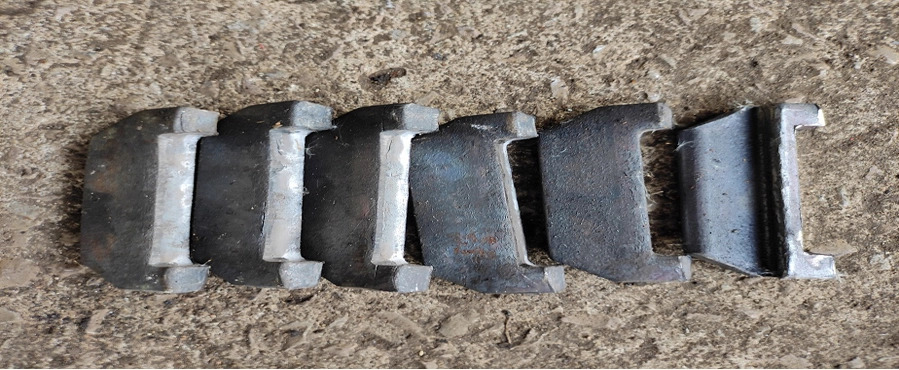
A rail is only as stable as its connection to the sleepers. Components like Fish Plates and Metal Liners must be manufactured from compatible steel grades—typically EN-8—to ensure they don't snap under the vibration of a passing freight train.
Why is my track failing? (A Troubleshoot for Common Railway Path Issues)
Most maintenance engineers face recurring headaches like "crushed rail heads" or "joint sagging." If you are searching for a solution to rapid track degradation, here is a troubleshooting guide:
Problem A: Crushed Rail Heads (Mushrooming)
- The Cause: You are likely using a low-carbon steel that is too soft for the wheel-pressure of modern locomotives.
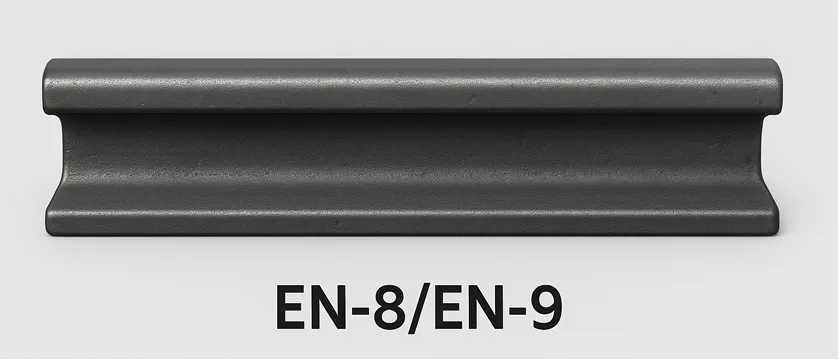
- The Solution: Transition to EN-9 Grade Rails. With a carbon content of up to $0.60\%$, EN-9 provides the necessary surface hardness to resist flattening, significantly extending the time between rail-grinding sessions.
Problem B: Fractures at the Joints
- The Cause: Brittle steel or poor-quality fish plates that cannot handle the dynamic impact at rail gaps.
- The Solution: Use EN-8 for connecting components. Its superior toughness and weldability make it the perfect material for Fish Plates, allowing the joint to absorb impact without cracking.
Problem C: Lateral Track Creep
- The Cause: Poor frictional grip between the rail foot and the fastenings.
- The Solution: Precision-rolled rail sections from reputable EN-8/EN-9 Rail Manufacturers in India like Prime Ispat ensure a perfect geometric fit with the liners, locking the track in place even under heavy braking loads.
Application Profile: Building More than Just Tracks
The expertise of a specialized manufacturer isn't limited to the rails themselves. At Prime Ispat Limited, we understand that "Railway Use" covers a vast ecosystem of engineering applications:
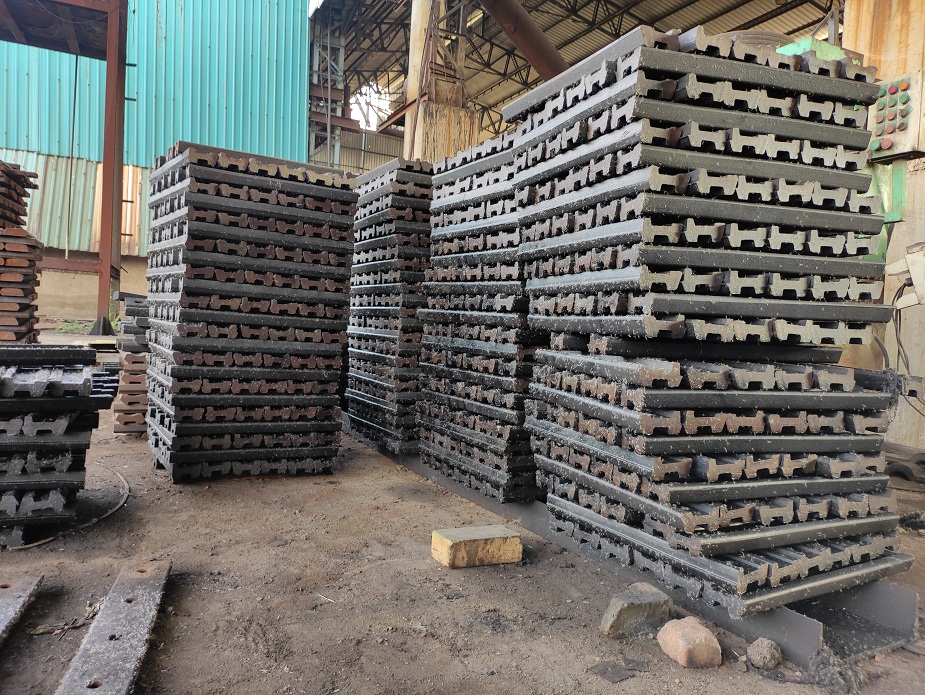
- Industrial Sidings: For plants moving raw materials like coal or iron ore, our EN-8 rails provide a cost-effective, long-life solution.
- Overhead Gantry Cranes: In workshops and ports, the "railway" is in the air. We produce heavy-duty gantry rails that facilitate smooth movement for cranes carrying hundreds of tons.
- Expansion Joints for Rail Bridges: If you are searching for "what is needed in making a bridge," the answer includes specialized EN-8 sliders that allow the bridge to expand without misaligning the tracks.
Why Choose Prime Ispat Limited as Your "Home" for Rail Products?
Finding a supplier is easy, but finding a partner who understands the high-stakes nature of railway procurement is rare. Prime Ispat Limited stands apart due to:
- Grade-Specific Expertise: We are specialists in the chemistry of EN-8 and EN-9. We ensure the manganese and silicon levels are optimized to give you the perfect balance of hardness and ductility.
- Ready Inventory for EPC Contractors: We understand that project delays are expensive. Our facility in Raipur maintains a steady stock of popular rail sections, from light $30 ext{ lb}$ rails to heavy-duty profiles.
- Certified Quality: Every meter of steel that leaves our mill undergoes rigorous testing—including ultrasonic checks to ensure there are no internal "mill defects" that could lead to future fractures.
Conclusion: Engineering Your Goal with the Best Steel
Building a railway in 2026 requires a focus on longevity and reduced maintenance costs. By choosing the right grade of medium-carbon steel, you are not just buying metal; you are buying the safety of every passenger and the efficiency of every freight ton.
Whether you are designing a specialized gantry system or a mainline industrial siding, let Prime Ispat Limited be your primary resource for excellence. As one of the most trusted EN-8/EN-9 Rail Manufacturers in India, we are here to help you troubleshoot your engineering challenges and provide the steel that powers progress.
Contact Prime Ispat today for technical consultations and bulk procurement quotes.
Quick Sourcing Cheat Sheet for Rail Projects
|
The Need |
The Recommended Solution |
|
High-Traffic Industrial Lines |
EN-9 Rail (High Wear Resistance) |
|
Connecting Hardware & Fish Plates |
EN-8 Steel (Toughness & Machinability) |
|
Bridge Sliders & Expansion Joints |
EN-8 Sections (Flexibility & Strength) |
|
Heavy Load Gantry Cranes |
EN-9 Sections (Resists Crushing/Mushrooming) |