





Who are the Best Metal Liner Manufacturers in India for High-Performance Industrial Casting in 2026
Finding the right Metal Liner Manufacturers in India can feel like searching for a needle in a haystack—if that needle was made of high-chrome alloy and weighed three tons. Whether you are managing a cement plant, a thermal power station, or a heavy-duty mining site, the "Agree" stage is simple: identifying a vendor who balances metallurgical precision with cost-effectiveness is harder than ever. Most buyers end up with liners that wear out 30% faster than promised, leading to catastrophic downtime and skyrocketing maintenance costs.
In this ultimate technical guide, I promise to solve this for you. You will learn the exact metallurgical formulas, sizing standards, and quality benchmarks required to vet a manufacturer. We will cover the specific technical depths of material grades, provide a comprehensive comparison of liner types, and show you why Prime Ispat has become a benchmark for excellence in the Indian casting industry.
Why Do Industrial Operations Fail Without High-Quality Metal Liners?
A metal liner is not just a "metal plate." It is the sacrificial shield of your machinery. In industries like mining, cement, and power, your equipment is constantly subjected to three primary enemies: Abrasion, Impact, and Corrosion.
If you compromise on the quality of your liners, you aren't just losing a component; you are losing efficiency. Poorly cast liners lead to:
- Increased Energy Consumption: Worn-out liners lose their profile, meaning your mills have to work harder to grind the same amount of material.
- Unscheduled Shutdowns: Every hour your mill is down for "patchwork," you lose thousands of dollars in production.
- Safety Hazards: Cracked or brittle liners can shatter under high impact, damaging the internal shell of your equipment.
The best Metal Liner Manufacturers in India understand that their product is the heartbeat of your plant's reliability.
What Are the Technical Standards for Metal Liners in India?
To ensure you are getting a world-class product, you must look beyond the sales pitch and dive into the technical specifications. Professional manufacturers like Prime Ispat adhere to rigorous international and Indian standards (IS).
Standard Quality & Material Table
|
Feature |
Technical Specification Range |
Application Suitability |
|
Material Grades |
High Chrome (12%–27% Cr), Manganese Steel, Ni-Hard |
Cement, Power, Mining |
|
Hardness (HRC) |
45 HRC to 65+ HRC |
Determined by Abrasion vs. Impact ratio |
|
Standard Compliance |
IS 2707, ASTM A532, ASTM A128 |
Global quality assurance |
|
Thickness Range |
20mm to 150mm |
Customizable based on mill diameter |
|
Surface Finish |
Machined / As-Cast with Shot Blasting |
Minimizes initial wear friction |
|
Heat Treatment |
Solution Annealing, Quenching, Tempering |
Ensures grain structure uniformity |
How to Choose the Right Material Grade: High Chrome vs. Manganese?
This is the most common question procurement managers ask. The answer lies in the Work-Hardening vs. Erosion Resistance debate.
1. High-Chromium White Iron (HCWI)
If your application involves high abrasion but low-to-medium impact (like coal grinding or cement milling), High Chrome is the gold standard.
- Technical Depth: The presence of M7C3 carbides provides extreme hardness.
- The Risk: If the impact is too high, High Chrome can be brittle and crack.
2. Manganese Steel (Hadfield Steel)
If you are crushing hard rocks or iron ore, you need Manganese Steel.
- Technical Depth: This material "work-hardens" under impact. The more you hit it, the harder the surface becomes, while the core remains tough and ductile.
- The Risk: If there isn't enough impact, the material won't harden, and it will wear away prematurely.
3. Ni-Hard Liners
These are nickel-chromium alloyed white cast irons. They offer excellent resistance to low-stress abrasion and are often used in slurry pumps and pipe linings.
What Sizes and Types of Metal Liners are Available?
The best Metal Liner Manufacturers in India offer a diverse range of geometries to suit different mill types.
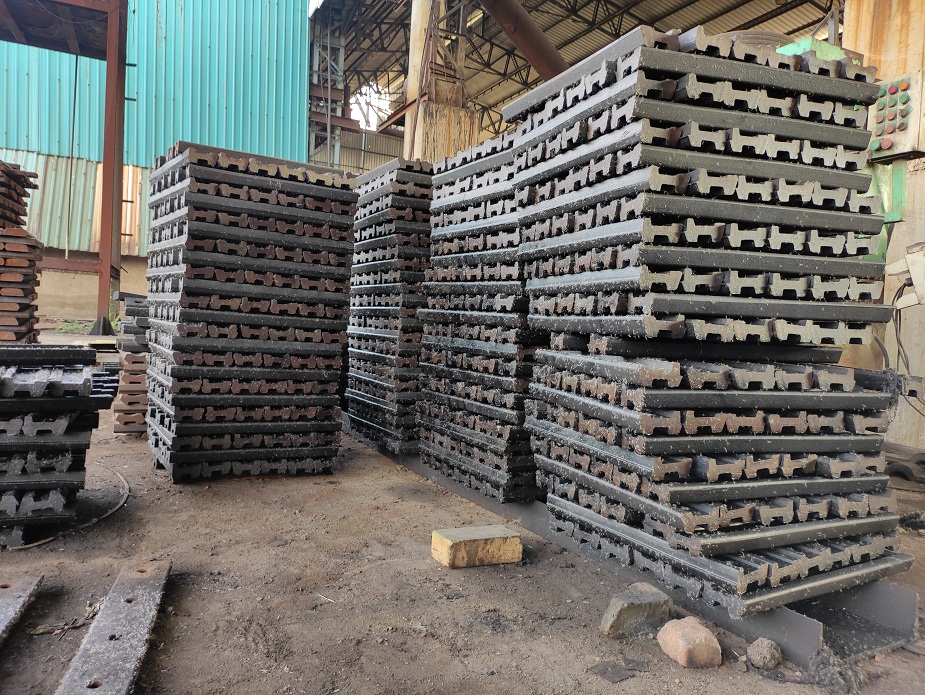
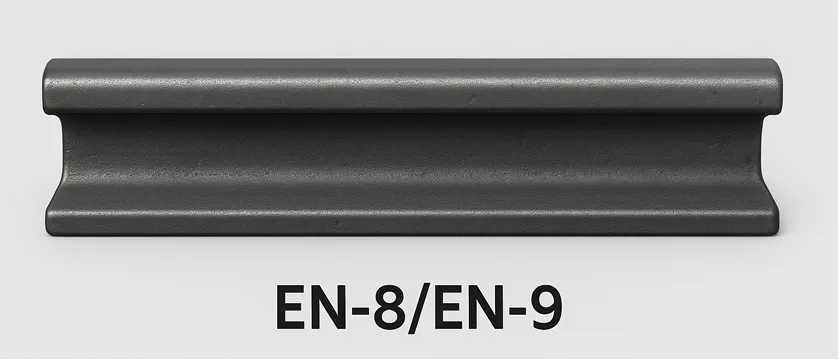
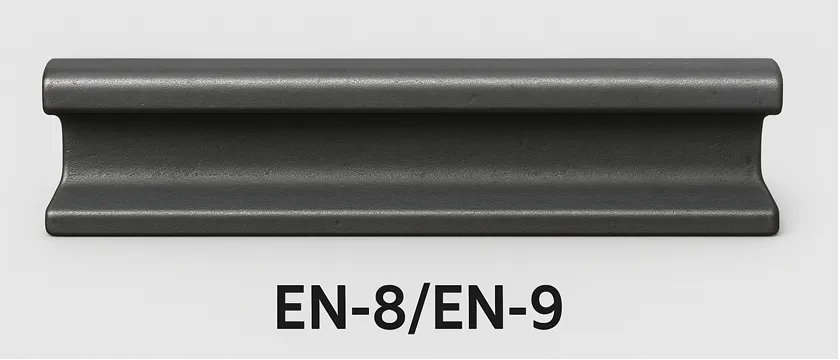
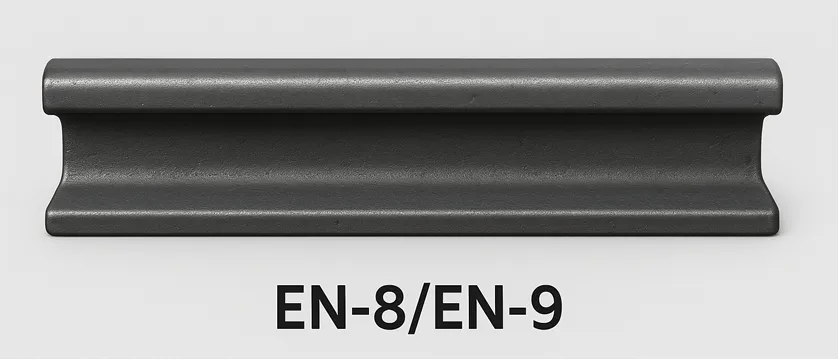
- Lifting Liners: Designed with a profile to lift the grinding media (balls) to a specific "cataracting" height for maximum impact.
- Step Liners: Used primarily in the first chamber of a cement mill to ensure a balanced grinding process.
- Wave Liners: Ideal for fine grinding where high surface contact is required.
- Grid Liners: Often used in rod mills to keep the grinding rods aligned.
Size Range: Leading manufacturers can cast liners from small 50kg plates up to massive 2,000kg individual segments. The thickness is typically calculated using the formula: T = (0.05 to 0.08) x Mill Diameter.
The Manufacturing Process: Why "How It’s Made" Matters for Your ROI
You cannot achieve E-E-A-T (Expertise, Authoritativeness, and Trustworthiness) without a superior manufacturing process. At Prime Ispat, the process is a blend of science and craftsmanship.
- Induction Melting: Using high-frequency furnaces ensures that the chemical composition is controlled to within 0.01%.
- Spectrometric Analysis: Every heat (batch of molten metal) is tested before pouring to ensure the Chrome, Carbon, and Manganese levels are perfect.
- Precision Molding: Utilizing chemically bonded sand molding or investment casting ensures the dimensional accuracy of the liner. A liner that doesn't fit perfectly creates "dead spaces" where material gets trapped and causes shell erosion.
- Controlled Heat Treatment: This is where the magic happens. By precisely controlling the cooling rate, manufacturers can transform the austenite into martensite, achieving the desired hardness without making the metal brittle.
Why is Prime Ispat the Top Metal Liner Manufacturer in India in 2026?
When you look at Prime Ispat’s Metal Liner solutions, you see more than just a vendor; you see a strategic partner.
- Zero Cost of Failure: By using advanced NDT (Non-Destructive Testing) like Ultrasonic and Magnetic Particle Inspection, they ensure that every liner delivered is free of internal voids or cracks.
- Customization: They don't just sell "off-the-shelf" parts. They analyze your specific wear patterns and suggest alloy modifications to extend your liner life by up to 25%.
- Real-Time Delivery: With a robust supply chain across India, they minimize the "Pain Point" of long lead times that usually plague the heavy industry.
FAQs:
Q1: How do I identify a failing metal liner before it damages my mill?
Answer: Watch for "pumping" (slurry or dust leaking from the shell), a change in the acoustic signature of the mill (higher pitch), or a sudden drop in output quality. Regular visual inspections for "washout" behind the liners are crucial.
Q2: Can I switch from Manganese to High Chrome liners mid-way?
Answer: Not without a technical audit. High Chrome is much more brittle. If your mill operates with large grinding media (above 90mm), the impact might be too high for High Chrome, leading to catastrophic liner breakage.
Q3: What is the average lifespan of a metal liner in a thermal power plant?
Answer: In coal mills, a high-quality liner from a top manufacturer should last between 8,000 to 12,000 operational hours, depending on the Hardgrove Grindability Index (HGI) of the coal.
Q4: Why are Indian metal liners preferred over imported options in 2026?
Answer: India has become a global hub for metallurgical excellence. Indian manufacturers offer the same (or better) ASTM/IS standards as European counterparts but at a significantly lower cost due to localized raw material access and optimized labor expertise.
Conclusion: Don't Compromise on the Shield of Your Industry
In the world of heavy engineering, the "Ultimate Guide" always leads back to quality. If you are searching for Metal Liner Manufacturers in India, your goal is to find a partner that understands the technical nuances of your specific operation.
Compromising on liner quality is a "worst mistake" that leads to lost revenue and safety risks. By choosing a manufacturer like Prime Ispat, you are investing in a product backed by rigorous testing, superior alloys, and a commitment to industrial longevity.
Stop settling for "standard" and start demanding "precision." Navigate to the experts and ensure your plant stays operational, efficient, and profitable for years to come.