





Which are the Best Fish Plate Manufacturers in India The Technical Buyer’s Guide
The integrity of a railway network is only as strong as its weakest joint. In the world of permanent way engineering, that "joint" is almost always the fish plate. Whether you are a railway contractor, a procurement head for a metro project, or a structural engineer, finding the right Fish Plate Manufacturers in India is no longer just about sourcing a piece of steel; it’s about ensuring high-speed safety and long-term track stability.
Satisfying a technical audit in 2026 requires more than just marketing jargon. You need depth. In this guide, we will break down the exact technical specifications, RDSO standards (IRS-T-1), and the evolving market landscape of 2026 to help you make an informed transactional decision.
The Problem: Why Sourcing Fish Plates is Getting Harder
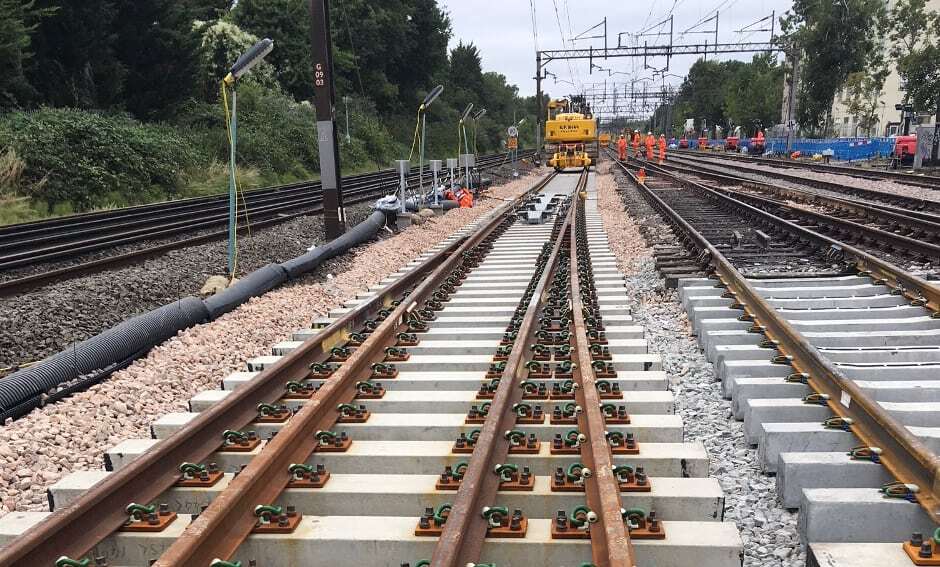
Infrastructure demands in 2026 are at an all-time high. With the expansion of the Vande Bharat network and Dedicated Freight Corridors (DFC), standard local-grade steel no longer cuts it. Using sub-standard fish plates leads to "rail-end batter," frequent maintenance shutdowns, and catastrophic derailment risks. You need a manufacturer that doesn't just "supply" but "engineers" according to RDSO standards.
The Promise: In this guide, you will learn how to identify top-tier manufacturing processes, the exact chemical and mechanical benchmarks for 2026, and why an integrated supply chain is the only way to ensure 100% track safety.
The Preview: We will cover everything from integrated manufacturing excellence to the differences between 52kg and 60kg profiles, and the critical importance of Joggled Fish Plates for emergency repairs.
1. What is a Railway Fish Plate? (The Essential Engineering Overview)
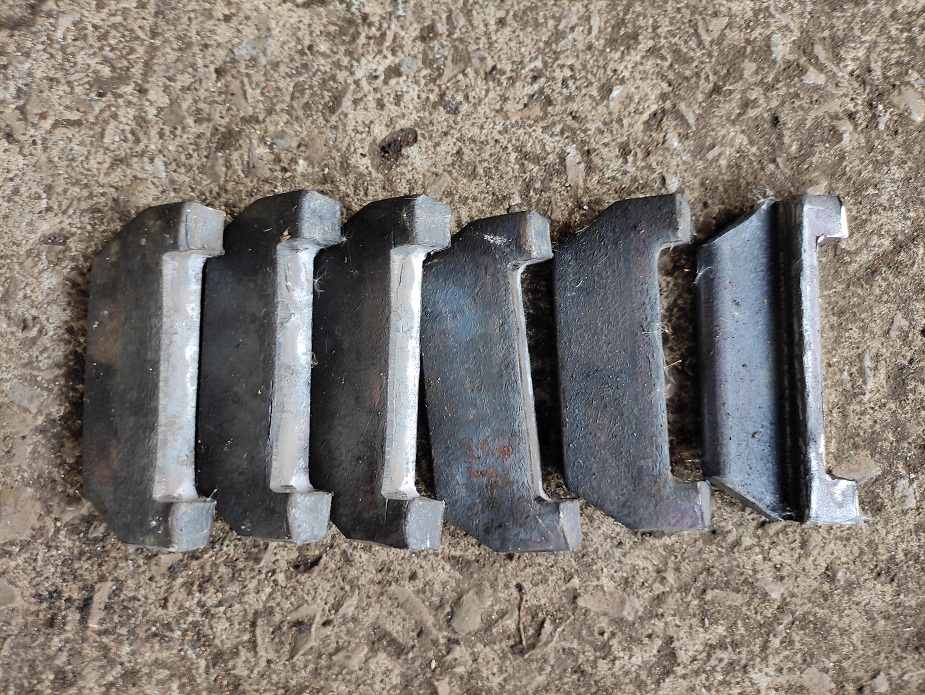
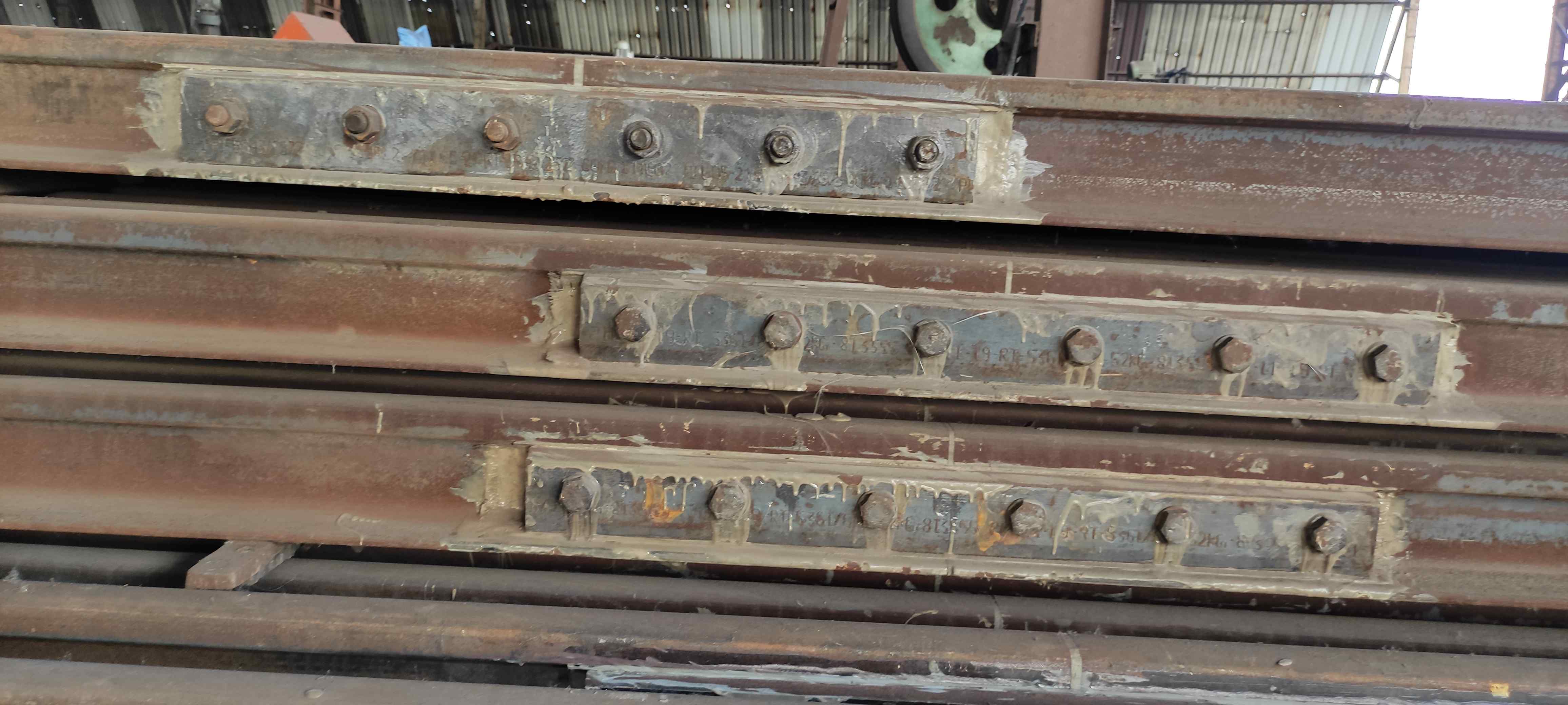
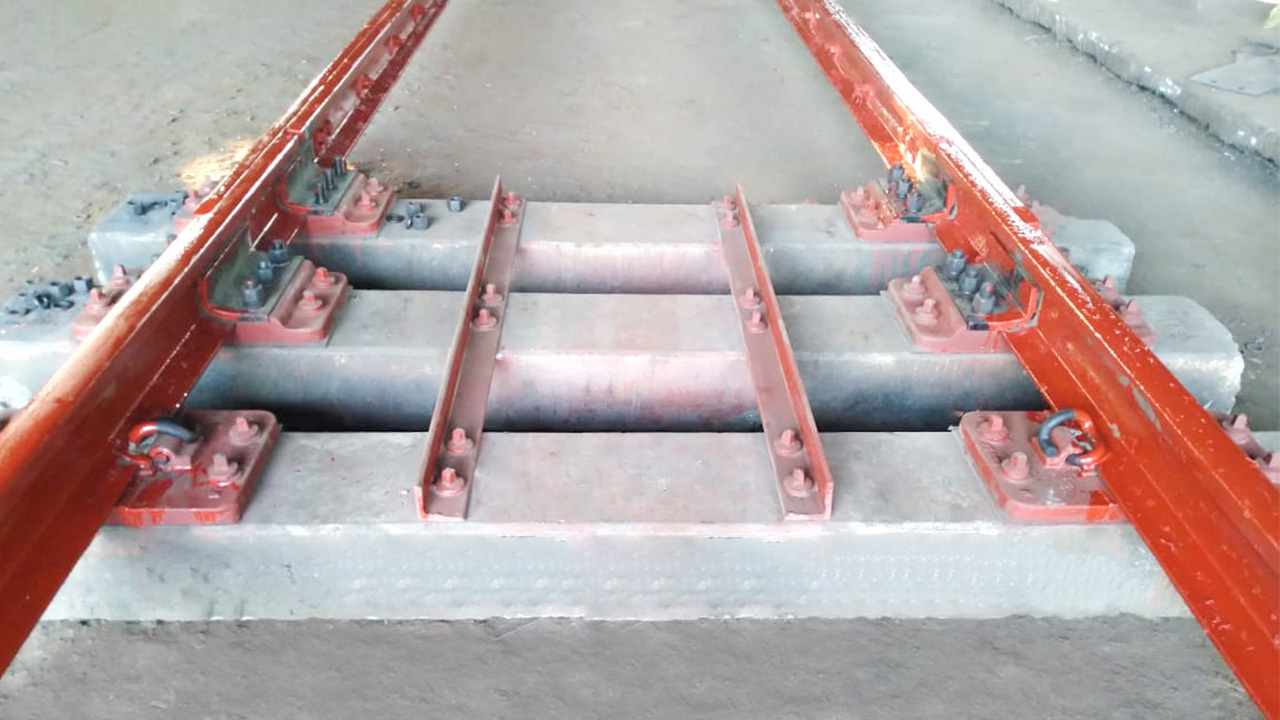
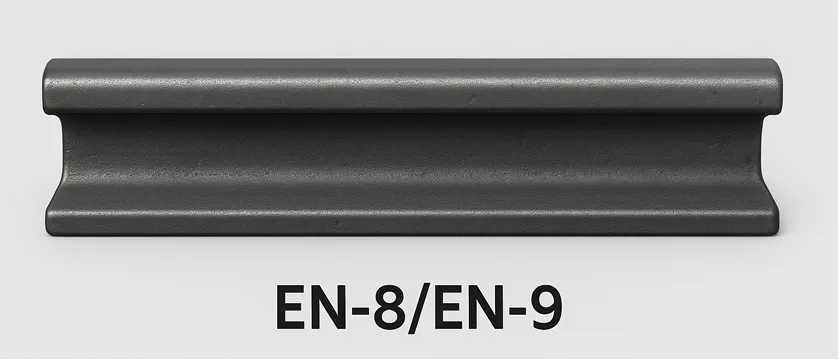
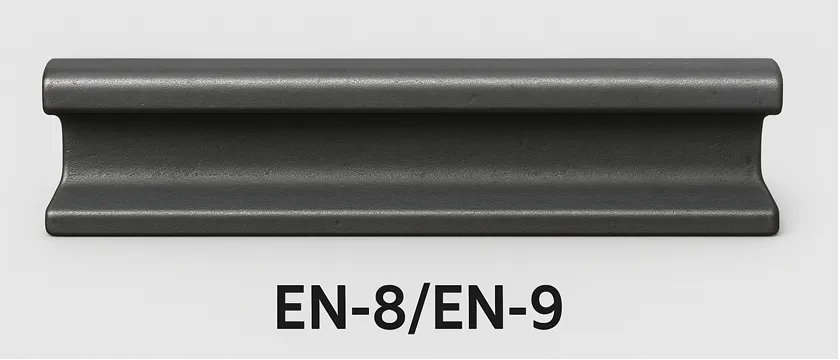
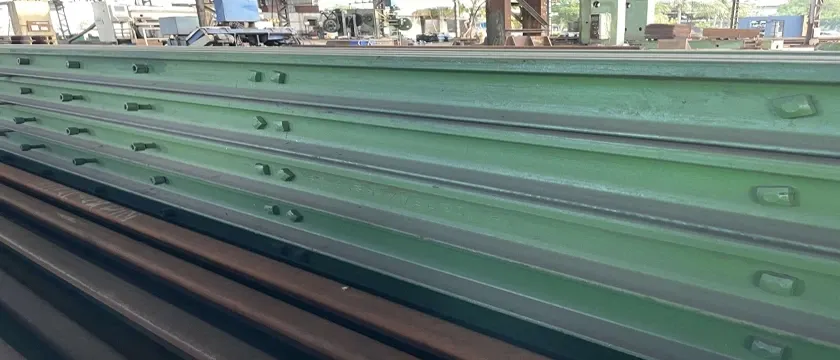
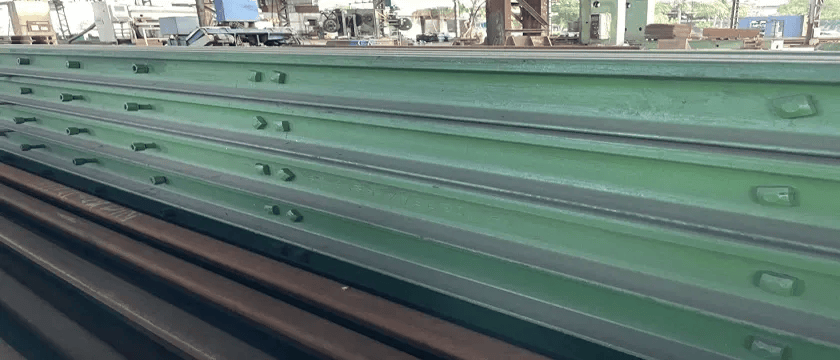
A fish plate (also known as a splice bar or joint bar) is a metal bar bolted to the ends of two rails to join them together. Its primary function is to maintain the continuity of the rail surface and the alignment of the rail heads, both vertically and laterally.
The Critical Role in 2026 Infrastructure
- Load Distribution: It transfers the wheel load from one rail end to the next, mitigating the impact on the sleepers.
- Thermal Expansion: Unlike continuous welded rails (CWR), fish-plated joints allow for the expansion and contraction of steel during extreme temperature shifts.
- Alignment Integrity: It prevents the "step" effect at joints, which is the leading cause of rolling stock damage and passenger discomfort.
2. Why Prime Ispat Limited Leads Fish Plate Manufacturing in India
When searching for the best Fish Plate Manufacturers in India, you aren't just looking for a vendor; you're looking for an RDSO-approved partner with an integrated mill. In 2026, the industry standard has shifted toward companies that control the chemical composition from the billet stage to the final machining.
Integrated Manufacturing Excellence
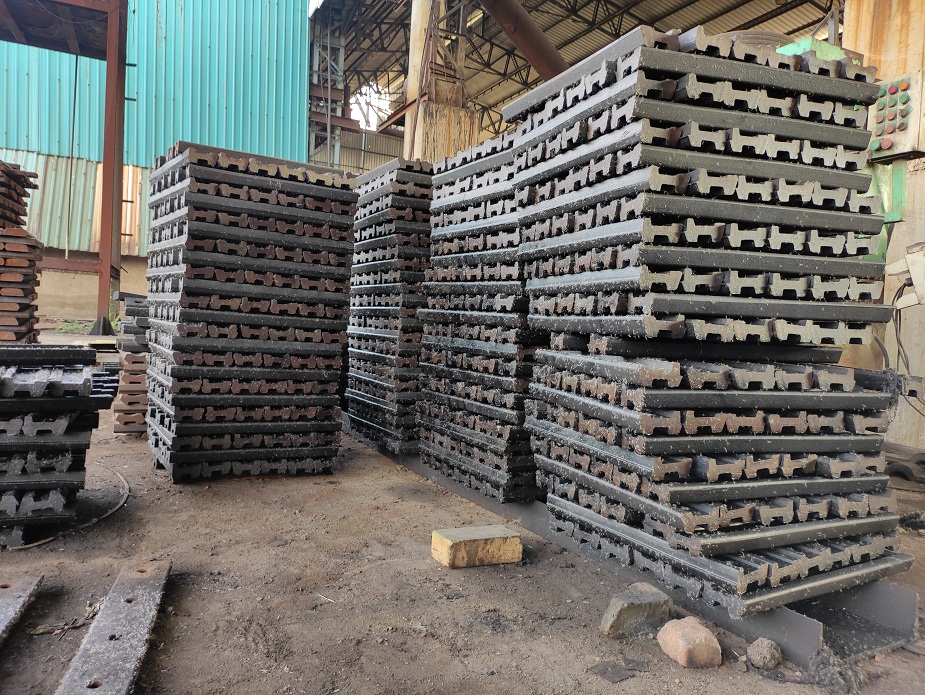
Prime Ispat Limited (PIL) emerged as the frontrunner in 2026 due to its high-precision rolling mills and integrated manufacturing process based in Raipur, Chhattisgarh. They represent the gold standard for the quality-to-cost ratio in the Indian market.
- Full Traceability: Unlike smaller fabricators, Prime Ispat controls the entire supply chain. This ensures that every single plate can be traced back to its original heat number, providing an audit trail that is essential for government and safety-critical projects.
- Product Range: They offer a comprehensive inventory, including 1-meter long ordinary fish plates for 60kg and 52kg rails, and specialized Joggled Fish Plates for emergency maintenance.
- Compliance: Every product is fully compliant with IRS:T-1-2021 and the latest 2026 RDSO amendments.
- Technical Depth: For engineers requiring specific sectional drawings, you can access their technical repository here: Prime Ispat Technical Page.
3. Technical Deep Dive: IRS-T-1 Specifications & Material Chemistry
To know better, we must look at the science behind steel. In India, railway fish plates are strictly governed by the IRS T-1 standards.
Chemical Composition Requirements
The steel used must be "killed" steel with the following chemical markers as per the latest RDSO guidelines:
|
Element |
Percentage (%) |
|
Carbon |
0.30 – 0.42% |
|
Manganese |
Max 0.60% |
|
Silicon |
Max 0.15% |
|
Sulphur & Phosphorus |
Max 0.06% |
Mechanical Properties (The Strength Benchmark)
A high-quality fish plate must meet these minimum thresholds to prevent fracture under heavy axle loads:
- Tensile Strength: 550–650 MPa ($5.58$ to $6.51$ $t/cm^2$).
- Elongation: Minimum 20%.
- Hardness: Maintained around 175-210 BHN (Brinell Hardness Number) to ensure durability without causing excessive wear to the rail.
4. 52kg vs. 60kg Fish Plates: Which is Best for Your Project?
Choosing the right profile is where many procurement errors occur. These profiles are mathematically designed to match the specific "fishing" area of the rail and are not interchangeable.
- 52kg Rail Fish Plate: Typically 610mm long with 4 bolt holes. These are the workhorses for passenger lines with speeds under 110kmph. (RDSO Drawing No. T-5915).
- 60kg Rail Fish Plate: Available in 610mm or the superior 1-meter (1000mm) length. The 1-meter variant uses 6 bolts and is mandatory for high-speed and heavy-haul freight corridors as it provides superior vertical stiffness. (RDSO Drawing No. T-5916 / T-1898).
5. How to Identify a Quality Manufacturer (Avoid These Mistakes)
Buying steel in bulk is a high-stakes transaction. To avoid "Instant Results" promises that lead to premature track failure, follow this checklist:
- Insist on RDSO Approval: Mainline Indian Railways requires RDSO (Research Designs and Standards Organisation) approval. Without this, the product cannot be used for public infrastructure.
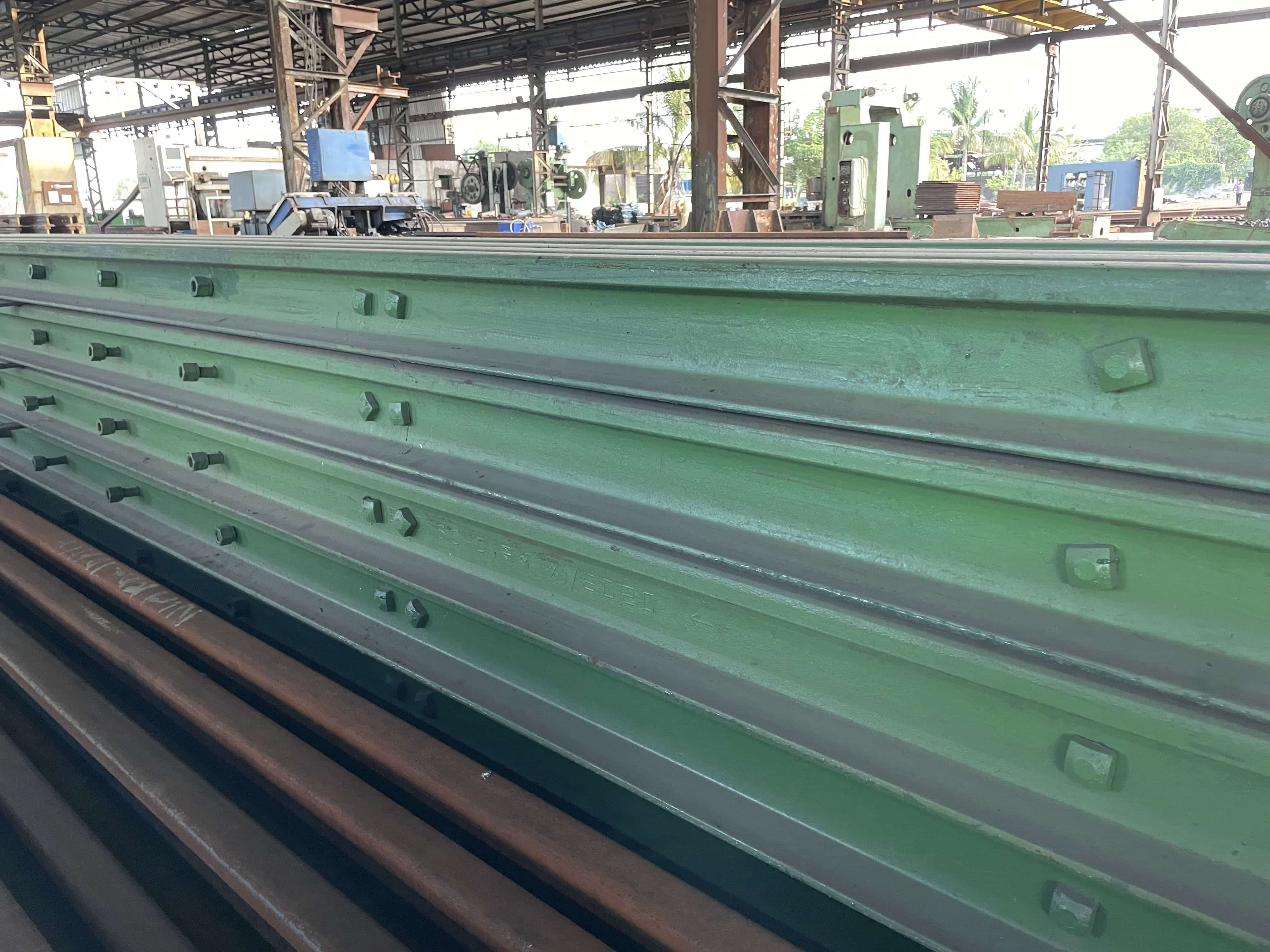
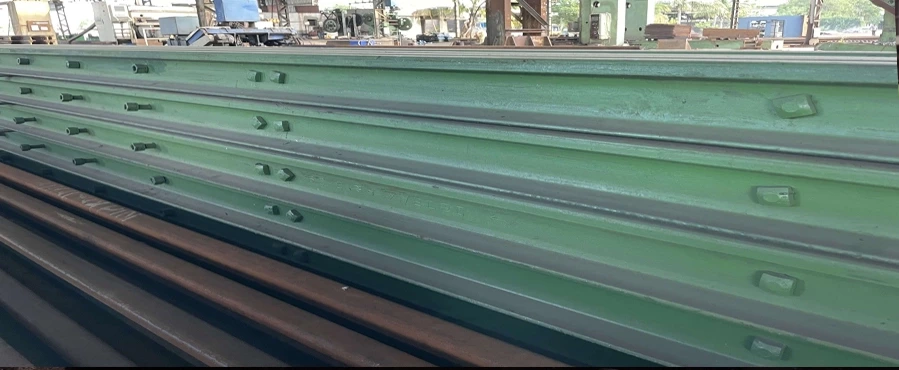
- Check the Stamping: Every plate should have a manufacturer code (e.g., "PIL" for Prime Ispat) and the year of manufacture permanently embossed.
- Verify the "Fishing Surface": The contact area where the plate meets the rail web must be machined to a smooth finish. Any irregularity leads to "joint clicking," which eventually results in rail-end fracture.
- Prioritize Integrated Mills: Choosing an integrated manufacturer like Prime Ispat reduces the risk of hidden metallurgical flaws that often occur when fabricators buy billets from secondary sources.
6. Types of Specialized Fish Plates in 2026
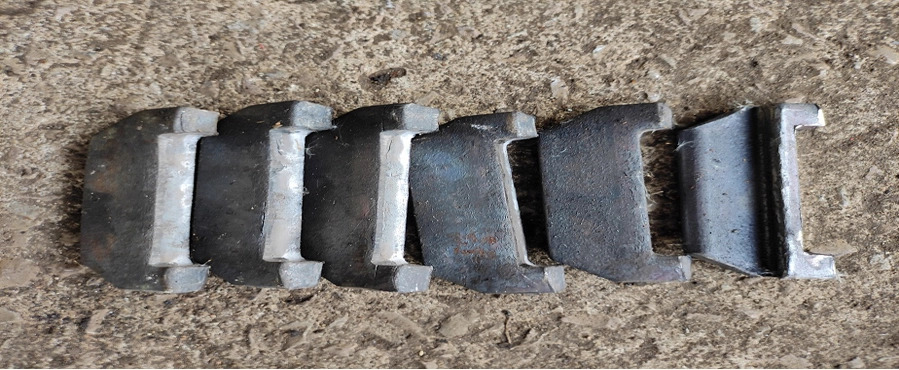
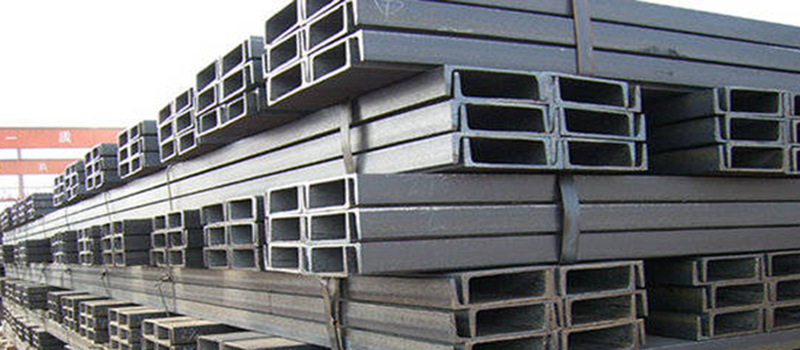
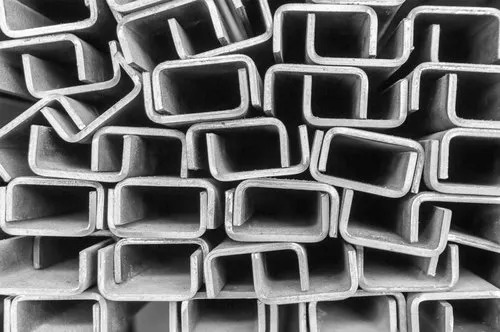
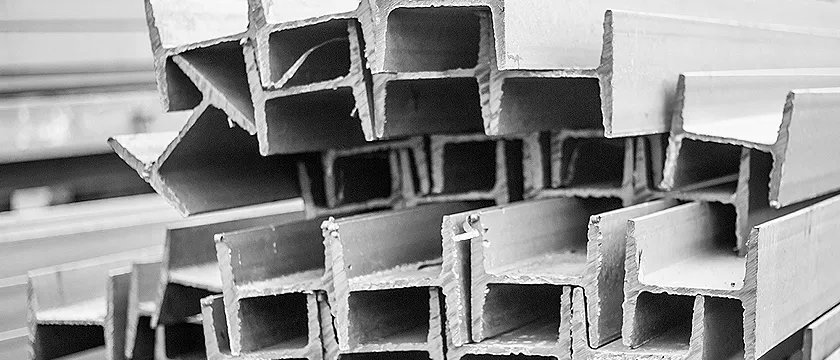
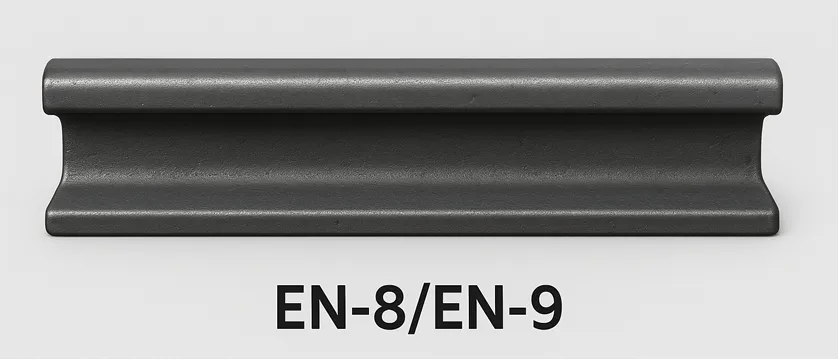
- Standard Fish Plates: The traditional "C-section" bars used for standard jointed tracks.
- Joggled Fish Plates: These have a central "jog" or offset to clear weld beads. They are critical for emergency repairs of fractured welds, allowing trains to pass at restricted speeds until a permanent fix is applied.
- Combination (Compromise) Fish Plates: Essential for joining two different rail sections (e.g., transitioning from an older 52kg rail to a newer 60kg rail).
- Glued Insulated Rail Joints (GIJ): Used in signaled territories where electrical isolation is required between rail sections to ensure track circuit accuracy.
7. Market Trends 2026: The Shift to High-Speed Rail
The Indian rail infrastructure market is witnessing a massive transformation. With track renewal targets exceeding 7,500 kilometers for the 2025-26 fiscal year, the demand for high-tensile fish plates has spiked. Leading manufacturers are now adopting:
- Anti-Corrosion Coatings: Zinc-flaked or galvanized finishes for coastal rail networks (like the Konkan Railway) to combat salt-air oxidation.
- Increased Depth Designs: Specially engineered plates to handle the 25-ton axle loads of modern freight trains on the DFC.
Frequently Asked Questions (FAQs)
Q1: Why are 1-meter fish plates becoming the standard?
The 1-meter long fish plates provide significantly higher lateral and vertical stiffness compared to the 610mm versions. They are now standard for high-speed tracks to reduce vibration and rail-end wear.
Q2: Can I use a 60kg fish plate on a 52kg rail?
Absolutely not. The "fishing" profile—the specific curve where the plate meets the rail web—is mathematically different. Using the wrong plate will cause point loading and rail fracture. You must use a Combination Fish Plate.
Q3: What is the lifespan of a quality fish plate?
With regular maintenance and lubrication (Graphite Grease Grade III), a fish plate can last 12-15 years. However, in corrosive environments, this can drop to 5 years without proper coating.
Q4: Who is the leading exporter of fish plates in India?
Prime Ispat Limited is a prominent exporter to Southeast Asia, the Middle East, and African markets, thanks to their dual adherence to Indian Railways (IRS) and International (UIC) standards.
Final Verdict: Securing Your Track Infrastructure
Finding reliable Fish Plate Manufacturers in India requires a balance between technical expertise and commercial viability. As we move through 2026, the focus has shifted toward precision-engineered components that can handle the increased speeds and weights of the modern Indian rail network.
Whether you need 610mm ordinary plates or heavy-duty joggled plates for emergency repairs, ensure your supplier provides full chemical and physical test certificates (MTC).
Are you ready to finalize your procurement?
Get a Quote from the Experts Ensure your project meets the highest safety standards with RDSO-approved components.